
Last updated November 17, 2026
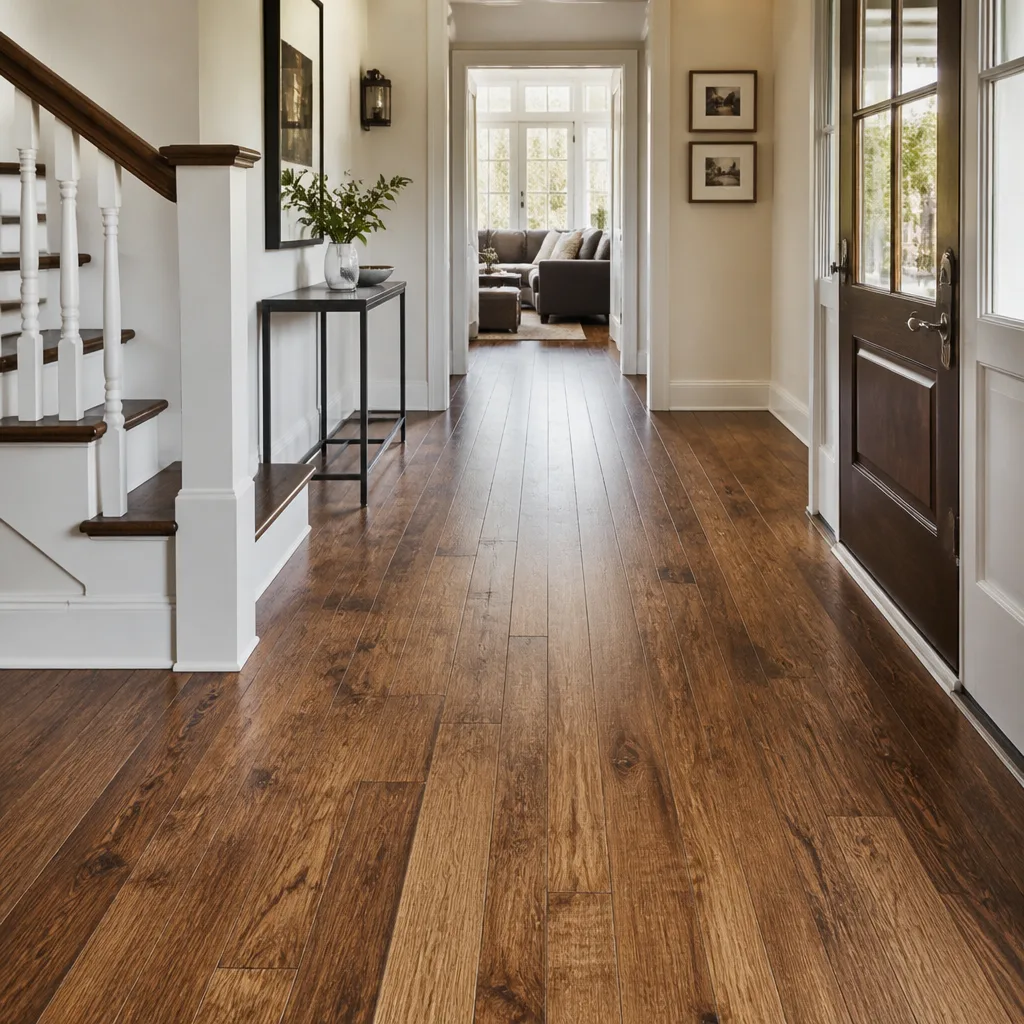 Hardwood
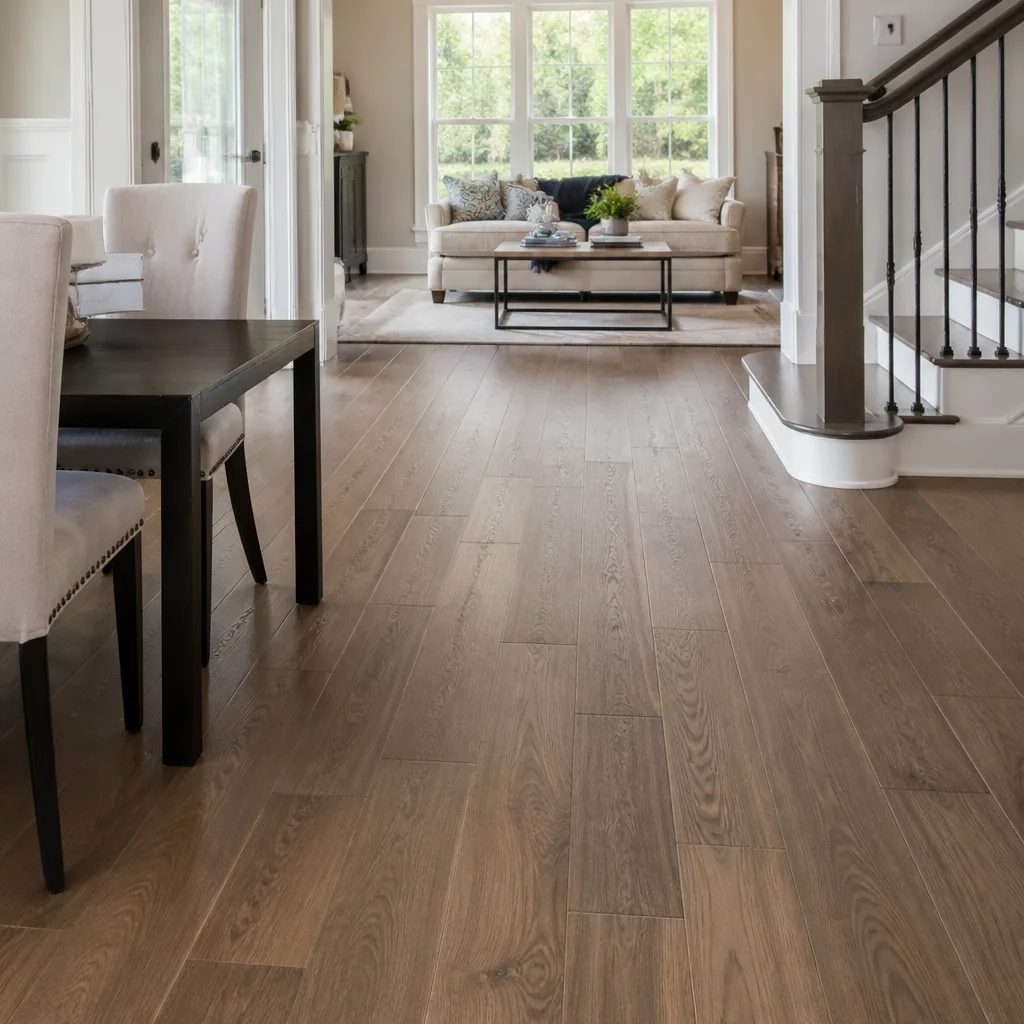
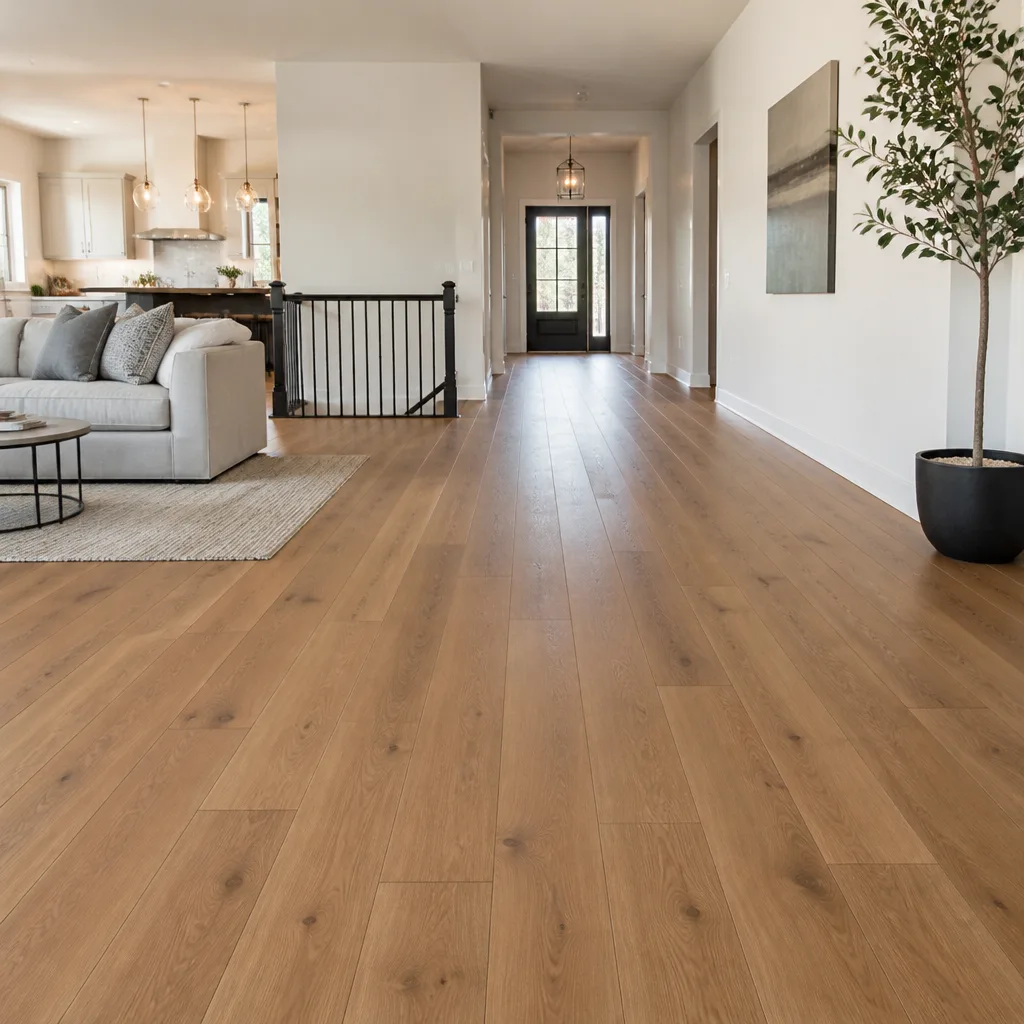 Engineered hardwood
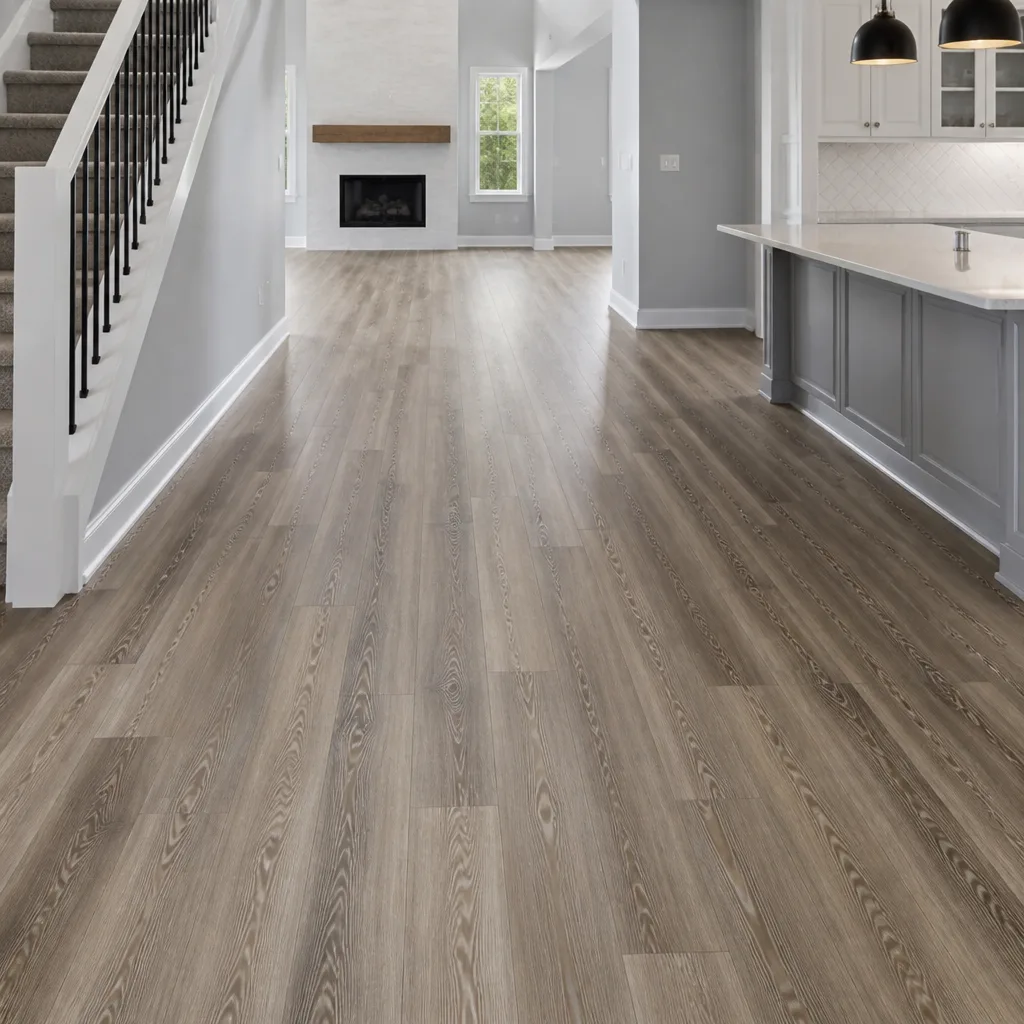
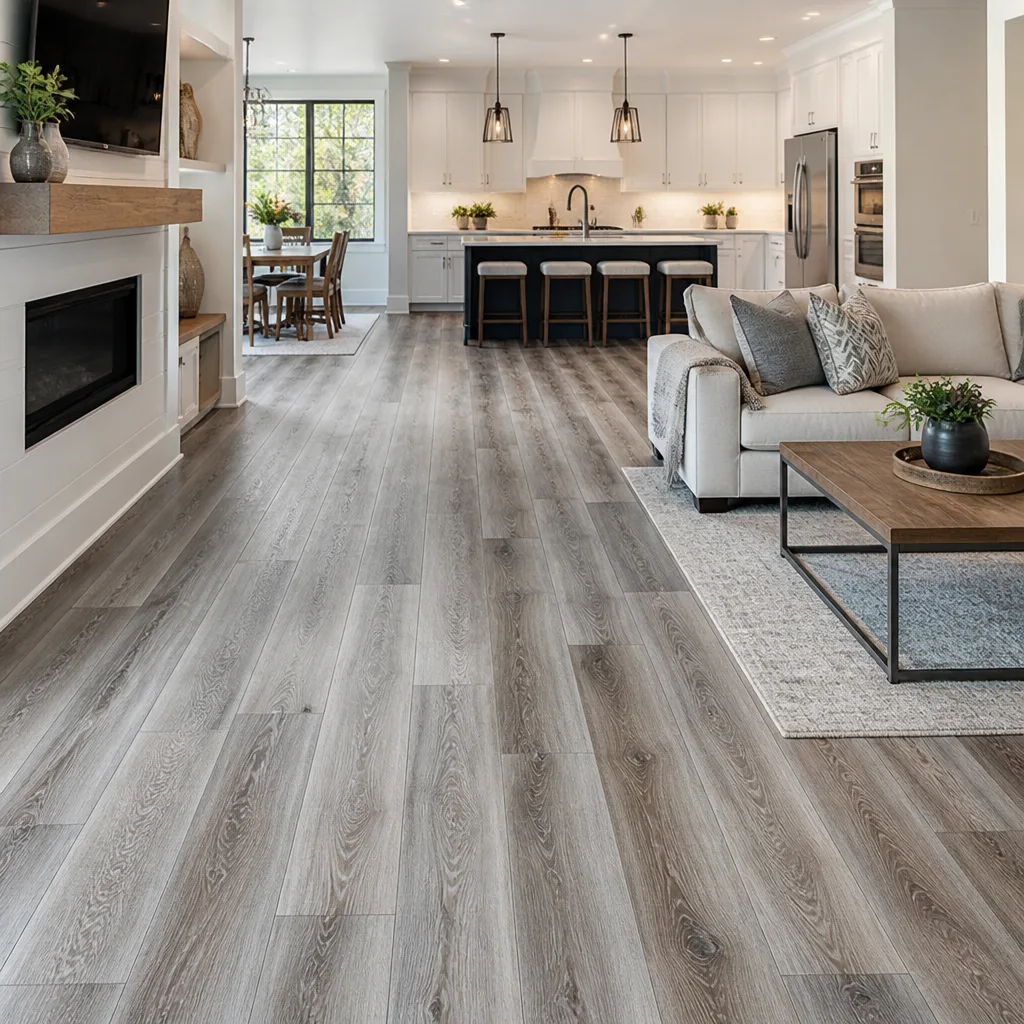 Luxury vinyl plank
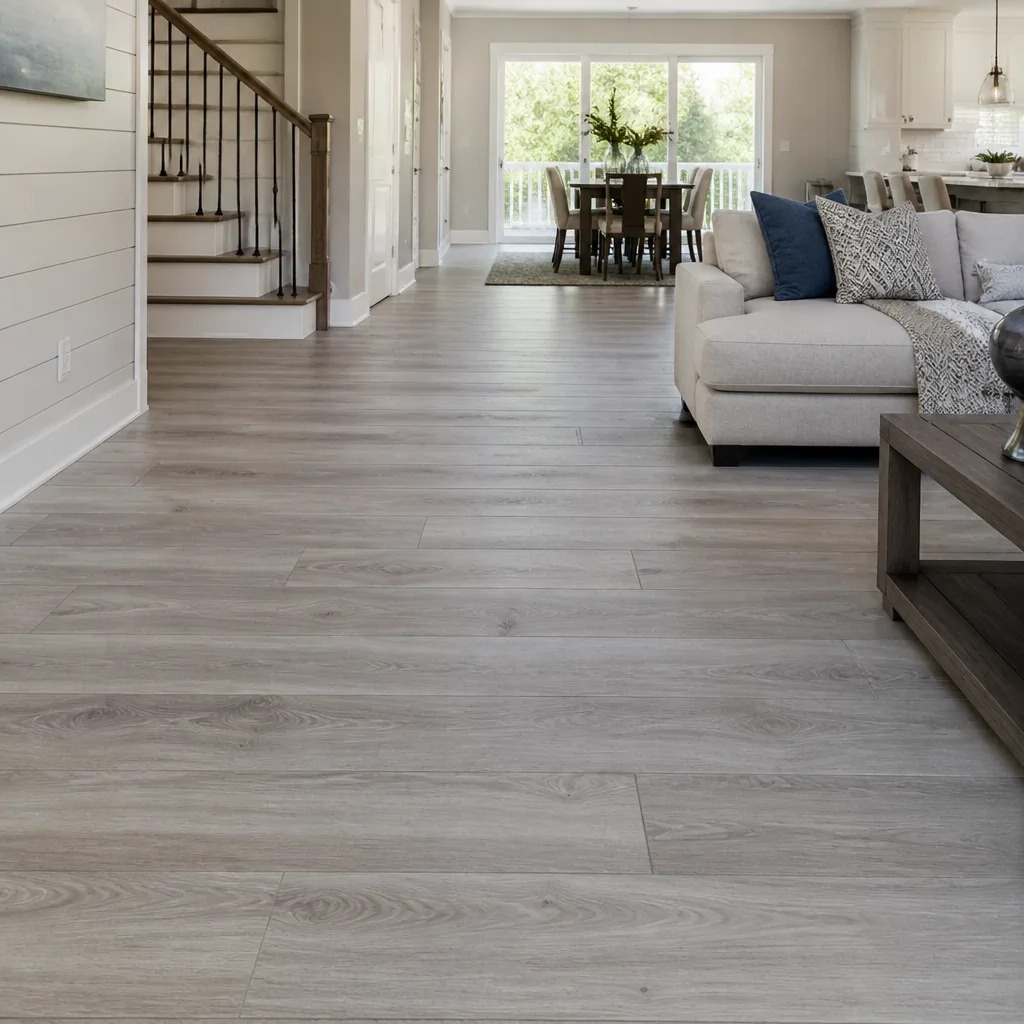 Laminate
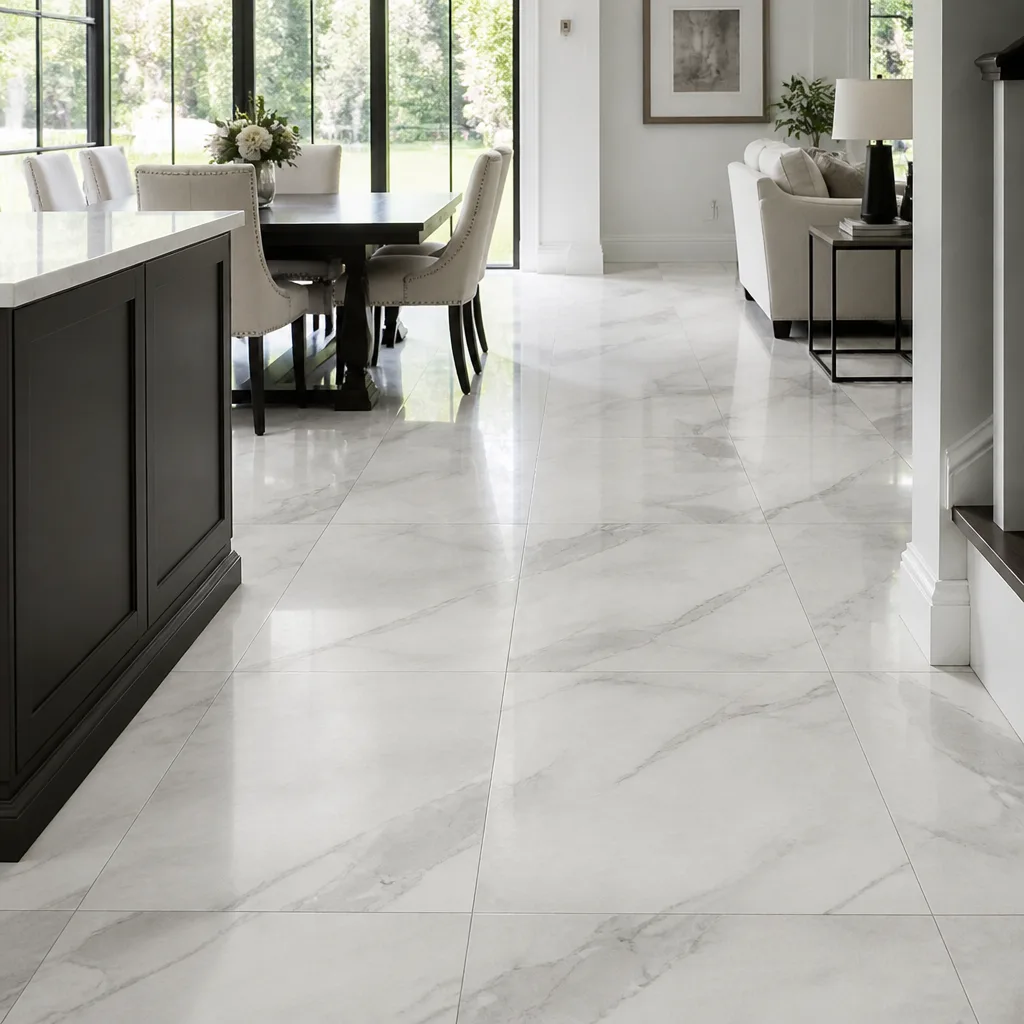 Porcelain tile
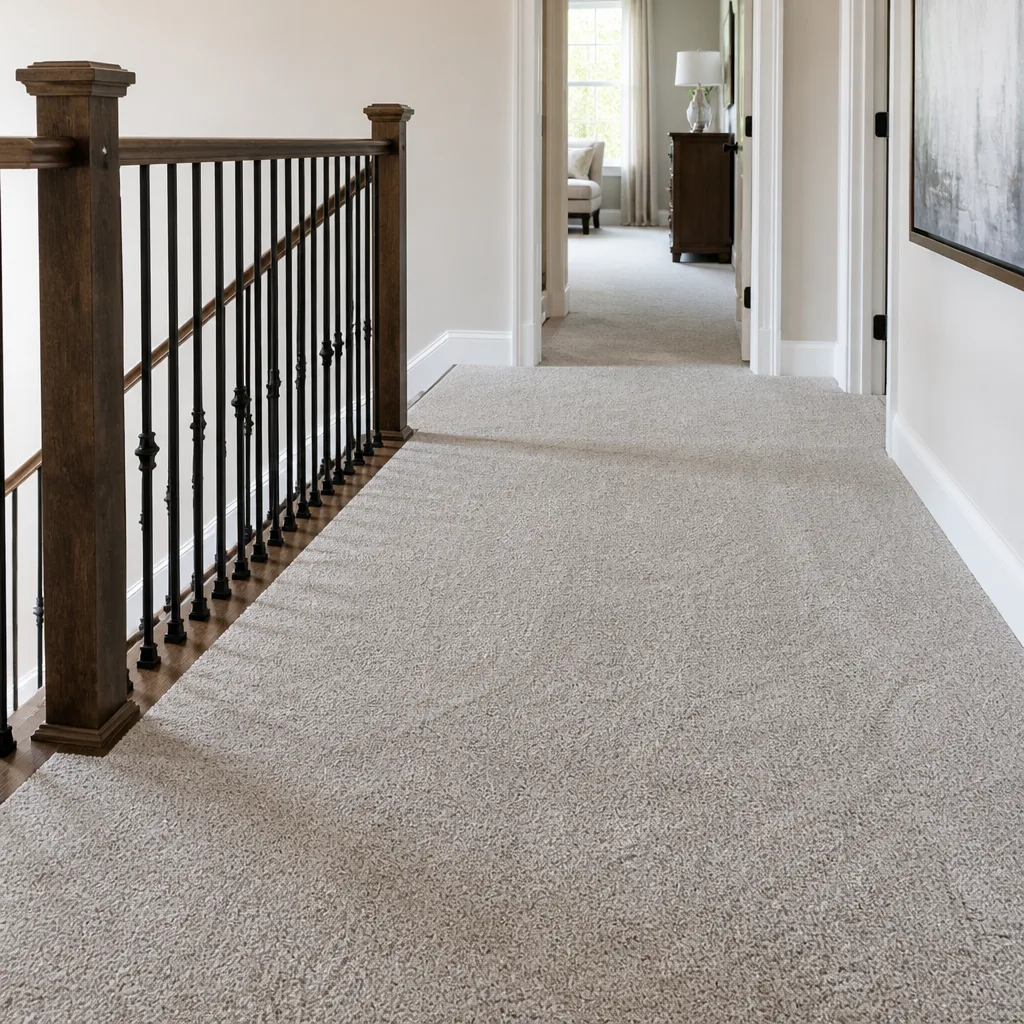 Carpet
 Shaw
 Mohawk
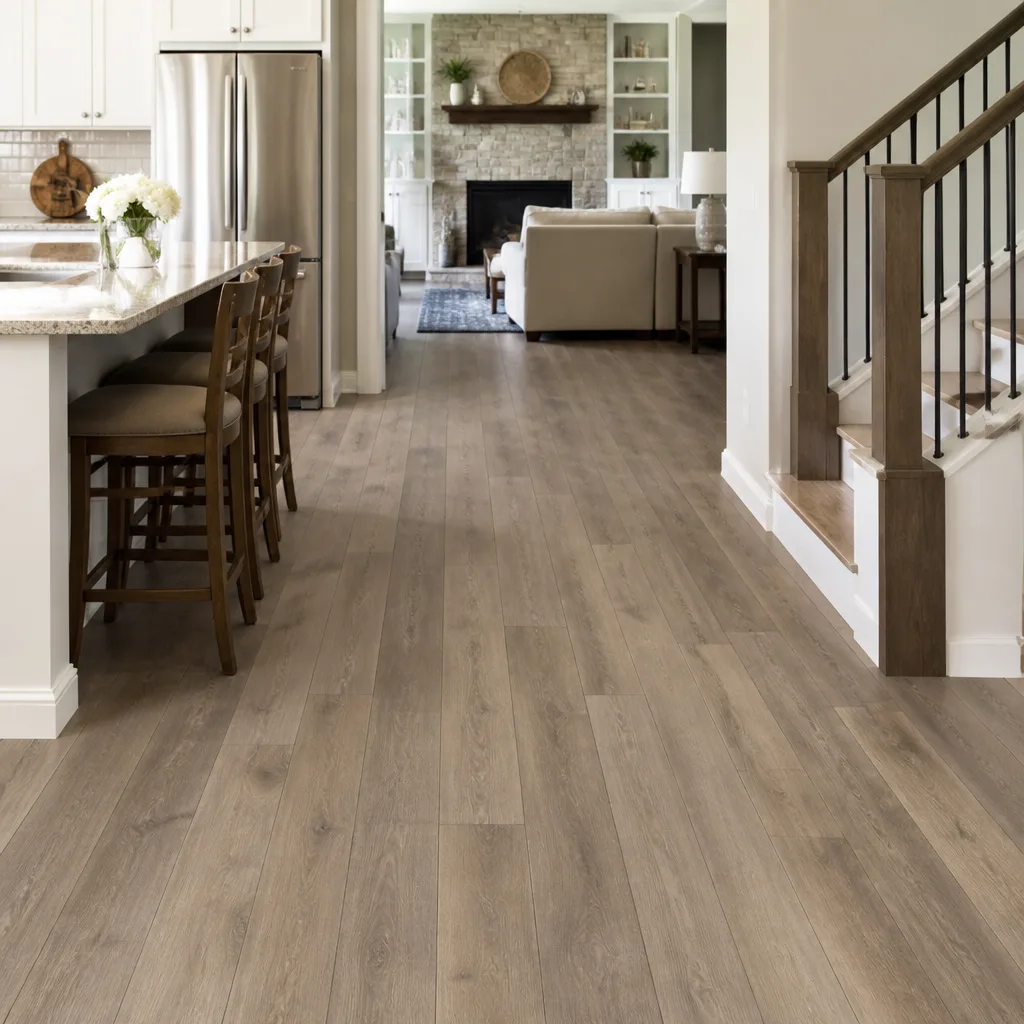 COREtec
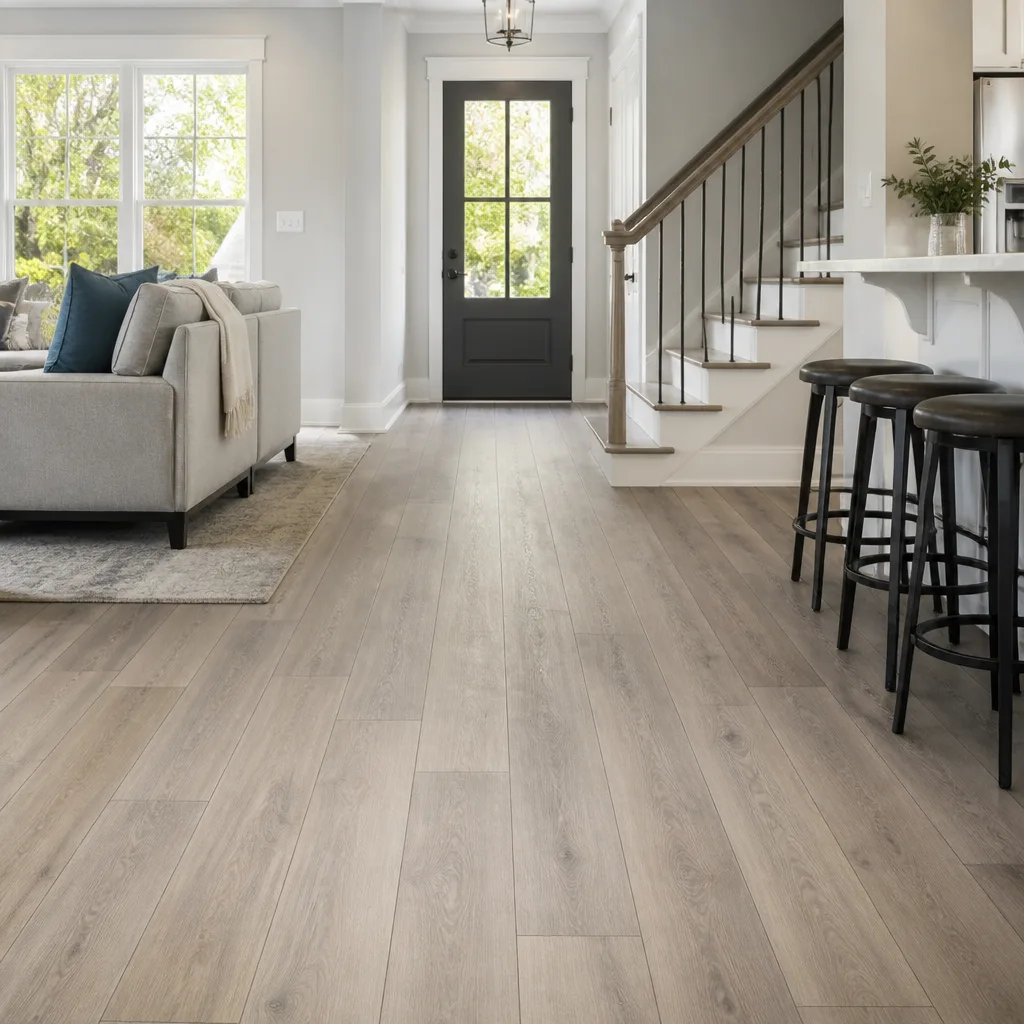 Pergo
Free in-home measure and written estimate: Shaw, Mohawk, COREtec and Pergo lines compared on your own rooms, with carpet, tile, vinyl plank, laminate and hardwood laid out side by side
Get your free estimateHow Sunrise Manor’s Climate Can Affect Your Flooring Choice
Most people pick a floor by how it looks in a photo, then spend the next decade learning what their house actually does to it. In Sunrise Manor, that lesson usually shows up as gaps between hardwood boards every winter, planks that cup in a sun-baked front room, or tile that sounds hollow underfoot a year after it goes down. The Las Vegas Valley averages around 294 sunny days a year, and the humidity here frequently drops below 20%. Those two numbers drive almost every flooring decision made in this part of the valley, and they don’t behave the same way they do in Las Vegas proper. This guide covers how Sunrise Manor’s heat, dry air, and slab construction shape which floors work, which ones fail, and how to plan an install that survives the seasonal swing.
Quick Answer
The best flooring for Sunrise Manor’s climate is a floor that tolerates very low indoor humidity and hot concrete without moving much: luxury vinyl plank with a dense SPC core, engineered hardwood over a stable core, professionally installed tile, or a carpet built for dry-air static. Solid hardwood is the product most likely to gap and move here, and any floor installed without a plan for the summer-to-winter moisture swing is a floor you’ll be reseaming within a couple of seasons. The single biggest factor isn’t the product category. It’s whether the installer accounted for this valley’s specific expansion and contraction cycle.
Styles & brands we work with
- Hardwood
- Engineered hardwood
- Luxury vinyl plank
- Laminate
- Porcelain tile
- Carpet
- Shaw
- Mohawk
- COREtec
- Pergo
Table of Contents
- Why 294 Sunny Days Changes What Works
- The Seasonal Expansion and Contraction Cycle
- Hot Concrete Slabs Underfoot
- Luxury Vinyl: Why Core Type Matters Here
- Engineered vs. Solid Hardwood in Sub-30% Humidity
- Tile and Glue-Down Adhesive Choices
- Carpet and Static in Dry Air
- Matching Floors to Rooms in Sunrise Manor Homes
Why 294 Sunny Days Changes What Works
Sunlight is not neutral to flooring. It carries radiant heat, and when a floor sits in direct afternoon sun through a west-facing window for months at a time, the surface temperature of that floor can climb well above the ambient room temperature. In most American climates, that heat load is seasonal and moderated by humidity. Here, it’s a daily event for a large chunk of the year, and the air around it is bone dry.
What that means in practice is that floors in Sunrise Manor experience a thermal load that isn’t equally distributed across a room. The section in direct sun moves differently than the section in shade. Over time, that differential shows up as seams opening on one side of a room and staying tight on the other. It’s one of the reasons a single-room install with one big window can be trickier than an entire house where light is more even.
A few practical implications:
- Sun-facing rooms need more thermal stability. Bedrooms on the shaded side of a house often tolerate products that a west-facing living room won’t.
- Window treatments are part of flooring planning. Blinds, solar screens, and film all reduce the surface heat a floor sees. That’s not a sales add-on; it’s part of how the floor ages.
- Color and finish matter for heat, not just style. Darker surfaces absorb more radiant heat. A dark-stained hardwood in a sun-drenched room behaves differently than the same product in a shaded hallway.
- Acclimation windows here aren’t the same as in other markets. A product that acclimates in a humid climate may need a different schedule in 15% relative humidity. The product instructions and the written estimate set the actual timing; what matters is that the installer actually follows them instead of cutting them short.
We install flooring across Sunrise Manor, and the pattern is consistent: the homes that fare best are the ones where the installer sat down and thought about which rooms catch the sun, which sit on slab, and how the house is heated and cooled. That’s not a sales conversation. It’s a prep conversation.
The Seasonal Expansion and Contraction Cycle
Here’s the thing most flooring advice skips: the stress on a floor in Sunrise Manor isn’t the summer heat alone. It’s the gap between summer slab temperatures and winter HVAC-dried air. In July, a concrete slab in a west-facing room can be genuinely warm to the touch. In January, that same slab is being dried out by a furnace running every day, and indoor relative humidity can fall well below what the floor was manufactured to handle.
That swing creates an expansion and contraction cycle that standard acclimation advice doesn’t fully address. Acclimation is about letting the product settle to the room’s conditions before it’s installed. But in a climate where those conditions swing hard between seasons, acclimating to summer conditions doesn’t tell you how the floor will behave in January. The cycle is what has to be planned for.
What that cycle looks like in a Sunrise Manor home:
- Late spring into summer. Slab and air temperatures rise, indoor humidity climbs slightly (though it stays low by national standards), and wood-based floors take on moisture and expand.
- Peak summer. Direct sun on west-facing floors drives surface temperatures well above ambient; the floor sees its maximum movement in those rooms.
- Fall transition. The furnace comes on, indoor air dries out fast, and wood-based products begin to lose moisture and shrink. This is when gaps typically first appear.
- Winter. Humidity bottoms out, shrinkage is at its most visible, and complaints about gaps between boards, cupping, or squeaks tend to spike.
- Spring. Moisture returns, boards swell back, and some of the gaps close on their own. Some don’t.
That last point is important. Homeowners often mistake winter gapping for a failed install. Sometimes it is. More often it’s the expected movement of a floor that was never given enough room to move in the first place, or was installed in a home without any moisture management. Engineered products with stable cores handle this swing much better than solid wood, and vinyl handles it better still.
Hot Concrete Slabs Underfoot
Most Sunrise Manor tract homes are built on concrete slabs. That’s a detail homeowners don’t think about much until a floor starts popping loose, but it matters more than almost anything else in this climate. A slab in direct summer sun is a large thermal mass. It radiates heat upward into whatever sits on top of it, and that heat is constant, not intermittent.
Two things go wrong when slabs aren’t accounted for:
- Adhesive failures. Glue-down installations (tile, glue-down vinyl, glue-down engineered wood) rely on an adhesive that can hold under repeated heat cycling. Some adhesives are formulated for it. Some aren’t. The right product on the wrong adhesive still fails.
- Trapped moisture. Slabs can carry moisture from below even in a dry climate. Without a moisture test at the estimate visit, an installer is guessing. When moisture gets trapped under a floor, you get cupping, bubbling, or adhesive failure that looks like a product problem but is really a slab problem.
Tiles installed over hot slabs need an adhesive and a grout specified for the conditions, not a default product chosen to save ten minutes at the supply house. Glue-down floors need a moisture barrier and a heat-tolerant adhesive. Floating floors (like most vinyl plank and laminate installs) are often the simplest answer here because they don’t depend on an adhesive layer at all, but the underlayment still has to be right. tile flooring installation on a hot slab is one of those jobs where the prep work behind the tile matters more than the tile itself.
If you’re not sure what’s under your current floor, that’s exactly the kind of thing a free estimate visit surfaces. An installer who walks the slab, checks moisture, and asks how the room is heated is doing the work that determines whether the new floor lasts.
Luxury Vinyl: Why Core Type Matters Here
Luxury vinyl plank (LVP) is one of the best-performing product categories for Sunrise Manor’s climate, but “LVP” is not one product. The core type makes a real difference in desert conditions, and most buyers aren’t told that at the point of sale.
The two main core types are WPC (wood plastic composite) and SPC (stone plastic composite). Both work here, but they handle heat differently.
- WPC cores are softer, thicker, and more forgiving underfoot. They’re comfortable and quiet, but they can be more susceptible to heat distortion in rooms with direct sun exposure. In a shaded bedroom, that’s rarely an issue. In a west-facing living room catching hours of afternoon sun, it can be.
- SPC cores are denser and more dimensionally stable. In a desert climate with slab heat and direct sun, SPC’s tighter structure resists distortion better. It doesn’t eliminate the need to control sun exposure, but it holds its shape more reliably through the summer.
That’s why the room-by-room conversation matters more than the product brochure. A homeowner might use a comfortable WPC plank in bedrooms and a denser SPC product in the main living areas, and both would be the right choice for where they are. Choosing the same product everywhere because it was on sale is how people end up with a living room floor that starts telegraphing every flaw in a year.
Two products in our lineup worth understanding on this point are COREtec and LifeProof. Both offer well-engineered luxury vinyl, and the practical differences between them for a Sunrise Manor home come down to which core thickness and construction fits the room. We don’t tell customers which one is “better,” because the answer depends on the room. We do walk through the trade-offs.
One more thing about water-resistance claims: no floor here is waterproof in the literal sense. Planks can be water-resistant and handle spills without swelling, but standing water and moisture coming up from the slab still have to be dealt with. A moisture barrier under a floating install is not optional in this climate.
Engineered vs. Solid Hardwood in Sub-30% Humidity
This is the question that matters most for anyone considering hardwood in Sunrise Manor, and the answer is usually engineered, not solid.
Solid hardwood is a single piece of wood from top to bottom. It expands and contracts across its full thickness in response to humidity. In a climate where indoor humidity routinely sits below 30%, solid hardwood can shrink enough between boards that the gaps become very visible in winter. Many homeowners see those gaps in January and assume the install was botched. In most cases the floor is doing exactly what solid wood does in low-humidity conditions.
Engineered hardwood is built up in layers with a real wood wear layer on top. The core layers are cross-laminated, which drastically limits how much the product can move in response to humidity swings. It still moves, but far less than solid wood, and it holds its shape through the winter dry-out much better. For a Sunrise Manor home with a slab, engineered hardwood is the more stable option and the one that tends to hold up across seasons.
What that means practically:
- Solid hardwood can work here, but it needs humidity management in the home during winter, and the install needs to leave enough room for movement. Skipping either is a recipe for gaps.
- Engineered hardwood is the more forgiving choice in Sunrise Manor for most homes, especially on slab.
- Refinishing is a separate conversation. Whether a hardwood floor can be refinished depends on the thickness of the wood and its condition. That’s checked at the estimate visit, not assumed from the label.
- Existing hardwood may be salvageable. Refinishing a floor that’s structurally sound is often the better move than tearing it out and starting over. We do Flooring Sunrise Manor installs and refinish work under one roof for exactly that reason.
We don’t promise that a stain will match a sample, and we don’t promise that every floor can be refinished. What we can tell you is whether your existing hardwood has the thickness and condition to be brought back, and we’ll tell you honestly which option makes sense: refinish or replace.
Tile and Glue-Down Adhesive Choices
Tile is a strong performer in this climate, and most Sunrise Manor tile jobs go the distance. When they don’t, it’s almost always the adhesive or the slab prep that failed, not the tile. That’s worth saying because tile is sold as a lifetime product, and it is, as long as the layer underneath it is right.
Three things to get right with tile on a hot slab:
- Adhesive specification. The thinset or adhesive has to be rated for heat cycling. A product chosen for price at the supply house may not hold up when the slab is radiating heat into it all summer.
- Moisture management at the slab. A moisture barrier or a moisture-tolerant adhesive setup may be needed. This is determined at the estimate visit with a moisture reading, not guessed.
- Grout and movement joints. Grout will crack if the field is laid without proper movement accommodation. That’s true in any climate, but the seasonal swing here makes it more important, not less.
Daltile is one of the tile brands we supply and install, and it covers a wide range of residential and commercial products. What matters more than the tile brand is the adhesive specification and the person doing the install. Tile is a craft product. A well-installed mid-range tile on a well-prepped slab outperforms a premium tile on a bad adhesive, every time.
For a full picture of how tile installs work in a Sunrise Manor home, our tile flooring installation page walks through the process.
Carpet and Static in Dry Air
Carpet gets a bad reputation in dry climates, and some of that reputation is deserved, but most of it is fixable. The single biggest complaint we hear about carpet in Sunrise Manor isn’t wear or staining. It’s static.
Static in carpet is a dry-air problem. When indoor humidity drops below 20% (which it does in Sunrise Manor through much of the winter, and often into the shoulder seasons), the air stops conducting a small electrical charge the way it would in a humid climate. That charge builds up between your socks and the carpet fibers, and every time you touch a doorknob or a light switch, you get a zap. It’s not a defect in the carpet. It’s a physics problem, and it has a real fix.
What actually works:
- Antistatic treatment on the carpet itself. Many quality carpets, including products from Shaw and Mohawk, are built with antistatic fibers or have an antistatic treatment as part of the construction. That’s not an upsell. It’s one of the differences between a carpet that zaps all winter and one you barely notice.
- The right backing. Certain backings handle dry-air static better than others. It’s worth asking.
- Whole-home humidity. Even modest humidity management during winter helps. This doesn’t require a permanent humidifier; small steps help.
- Vacuuming is not the fix. Regular vacuuming helps with soil, but it doesn’t fix static. If the carpet is going to zap, it’s going to zap.
Carpet is also the right answer for some rooms for reasons that have nothing to do with static: bedrooms, stairs, and any space where the underfoot feel matters. See our carpet installation page for a full walkthrough of what a professional install involves.
Matching Floors to Rooms in Sunrise Manor Homes
No single product is right for every room in a Sunrise Manor home, and a specialist will tell you that. The point of a curated selection of nine brands across multiple categories is that the right answer changes room by room, and you shouldn’t be stuck trying to force one product to fit everything.
A room-by-room approach often looks something like this:
- Sun-drenched living areas (west or south-facing windows). Dense SPC luxury vinyl or engineered hardwood. Avoid solid hardwood in rooms with long daily sun exposure.
- Bedrooms on shaded sides. More latitude here. Softer WPC luxury vinyl, engineered hardwood, or carpet all work depending on preference.
- Kitchens and bathrooms. Tile is the standard for a reason. Water-resistant vinyl is a solid second option. Carpet doesn’t belong in either.
- Hallways and transition spaces. A single continuous product is often the practical choice, but consider the sun exposure of the hallway when picking.
- Basements and garages (if applicable). Slab heat and moisture are at their highest here. Moisture barrier under the layer, dense core products above it.
We usually suggest homeowners pick the two or three rooms that matter most to them and build from there. Trying to match every room to the same product leads to compromises in one direction or another. Renovating multiple rooms at once is exactly where a single-source contractor helps: you don’t have to coordinate three vendors across carpet, tile, and refinish work. Our Flooring Sunrise Manor team handles all three.
For neighborhood-specific questions, our Sunrise Manor page covers the area we serve and how local homes are typically built.
Common Mistakes to Avoid
- Picking the product before checking the slab. Homeowners who choose a floor first and then discover a moisture issue after the sale end up pulling up new product to fix a problem that could have been caught at the estimate. The slab and the room conditions should inform the product choice, not the other way around.
- Choosing solid hardwood for a sun-drenched west-facing room. It’s one of the most common causes of “failed installation” complaints in Sunrise Manor, and it’s almost never a failed install. It’s the wrong product for the room.
- Skipping the moisture test on a slab. This is a two-minute test that prevents thousands of dollars of adhesive failure later. An installer who skips it is either rushed or doesn’t understand the local conditions.
- Assuming all LVP is the same. WPC and SPC cores perform differently in this climate. Buying on price or appearance alone means ignoring the one variable that matters most for how the floor lasts.
- Cutting acclimation short because “the product says it’s stable.” Every product has a recommended acclimation window and instructions. Those instructions matter more in sub-20% humidity than they do in a moderate climate. Follow them without shortcuts.
- Letting sun exposure go unmanaged. No floor is fully immune to radiant heat. Window treatment, shade trees, and where you place furniture all affect how a floor ages in this climate. It’s part of the planning conversation, not just an aesthetic one.
- Choosing carpet without asking about antistatic construction. Static buildup in low-humidity air is a real, persistent complaint. It’s fixable at the product-selection stage, not after the carpet is down.
See the difference
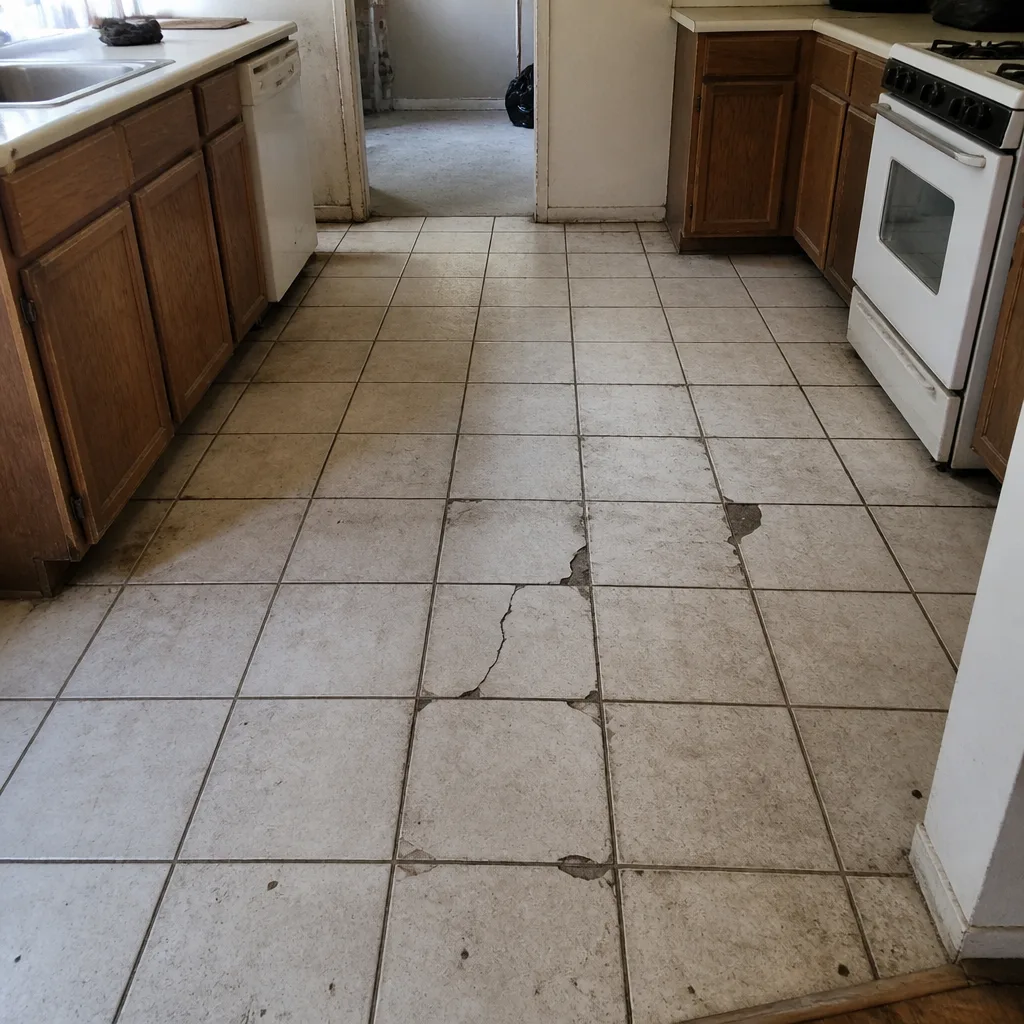 Before
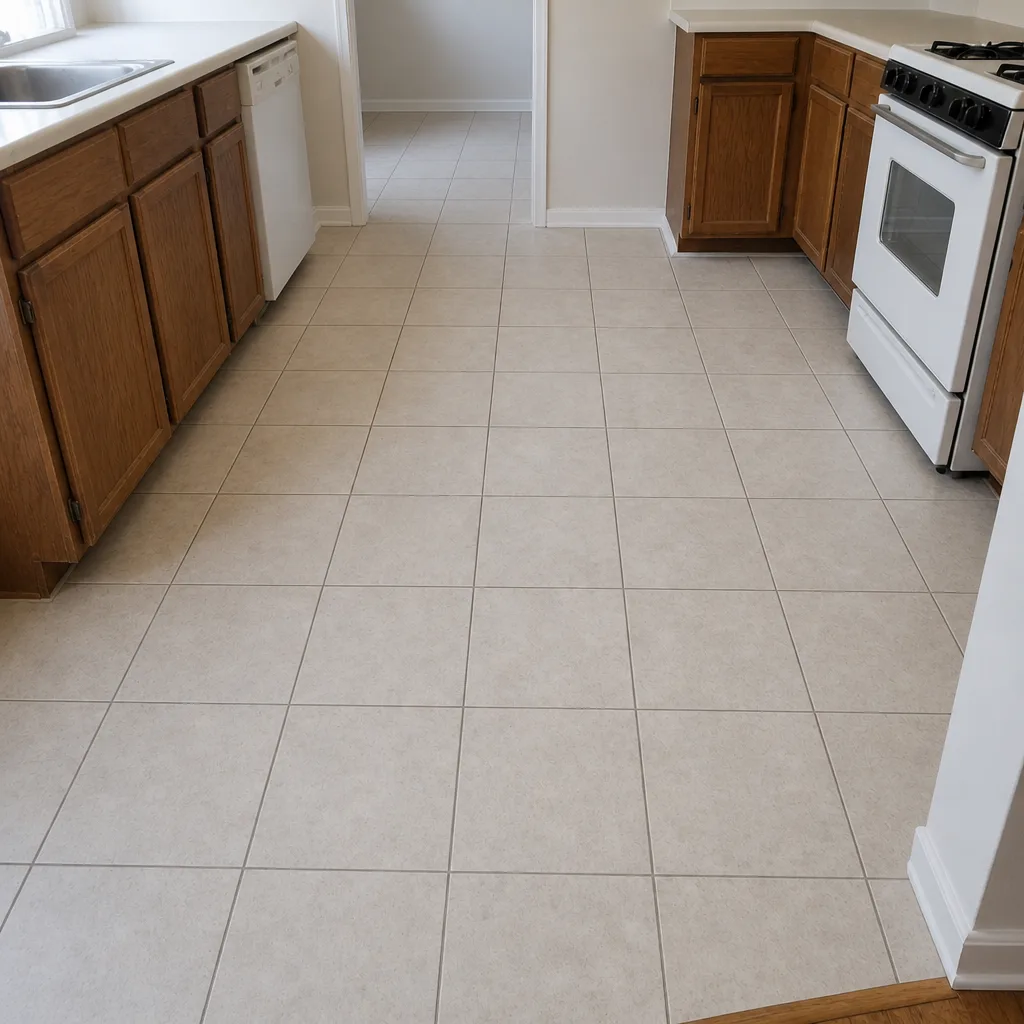 After
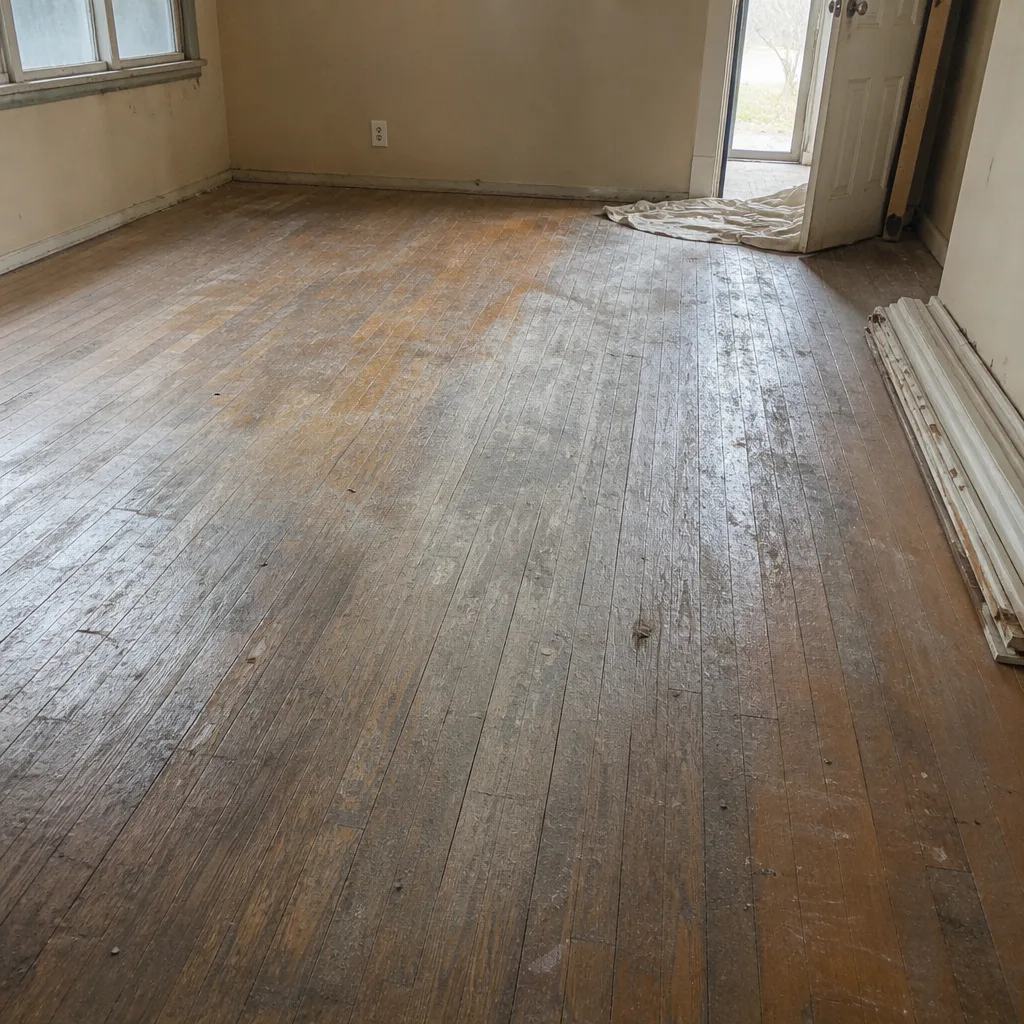 Before
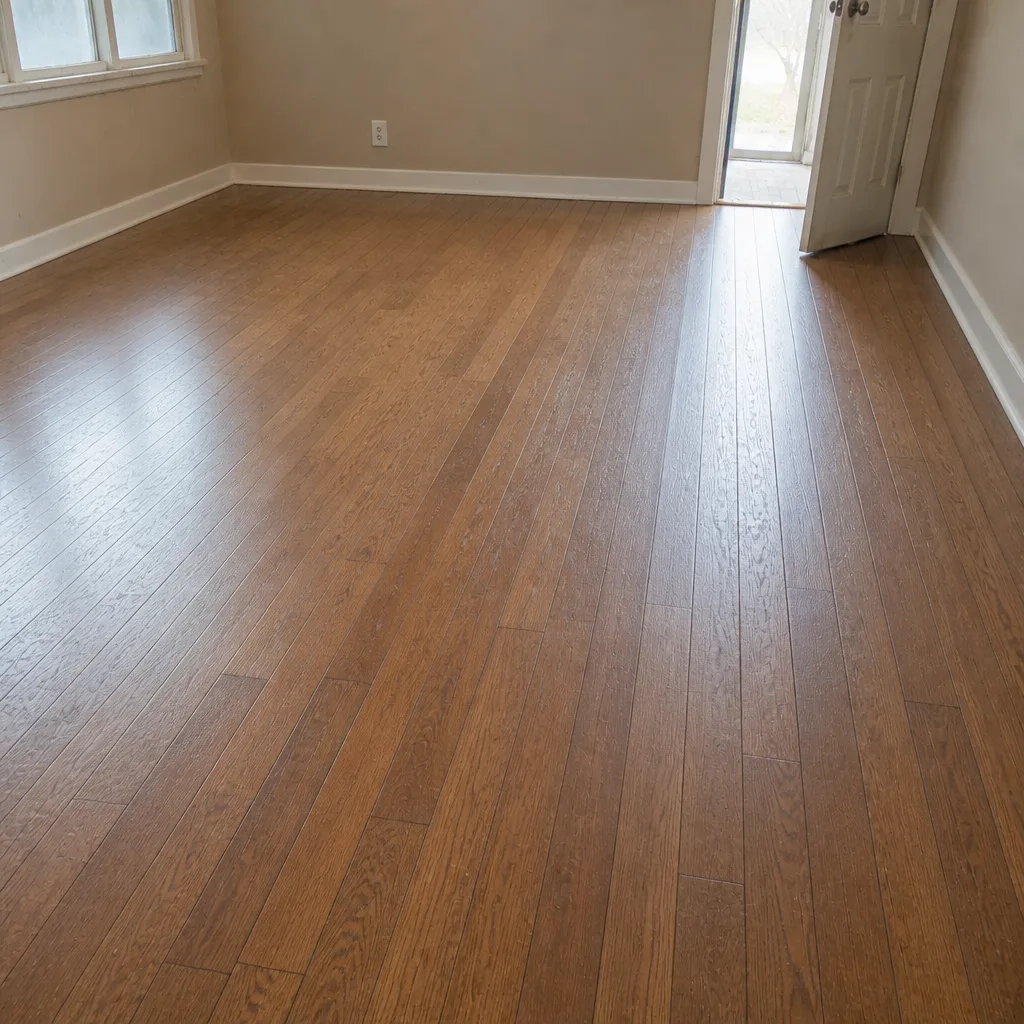 After
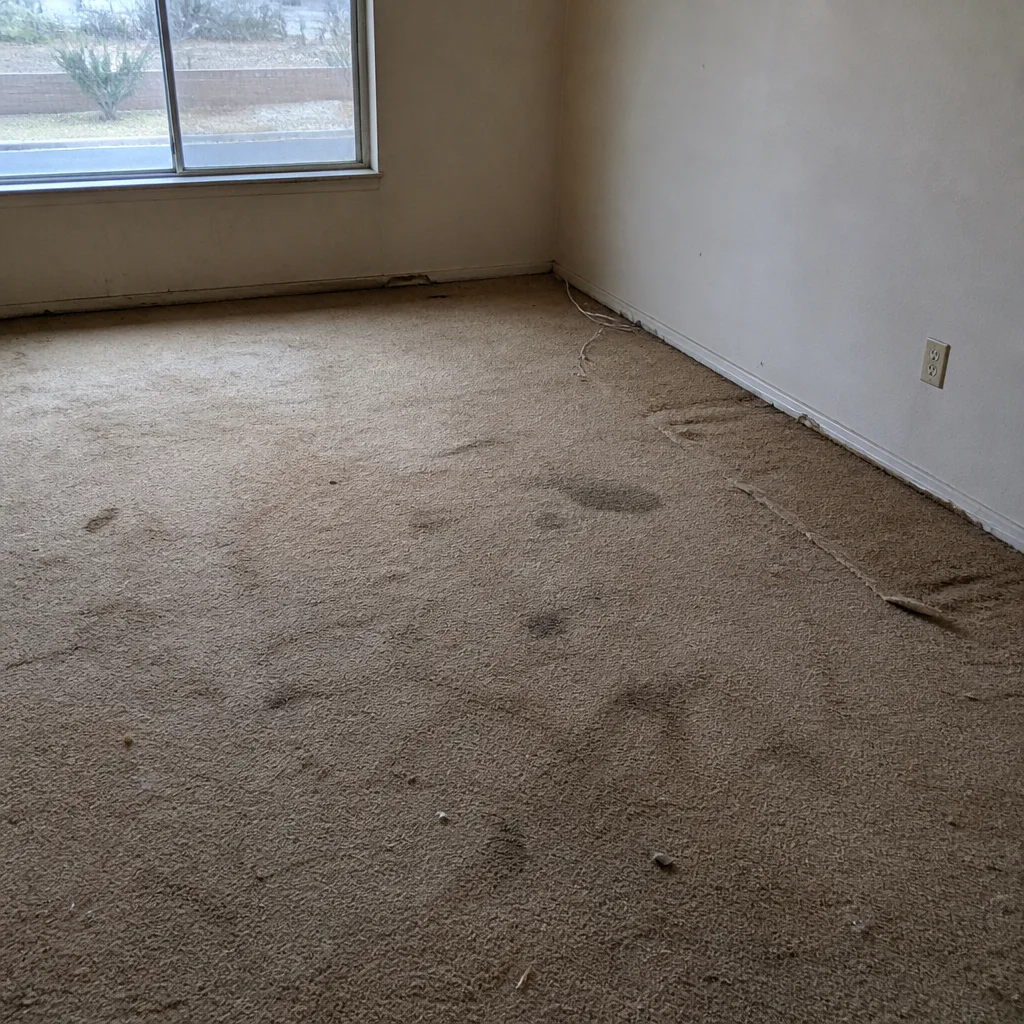 Before
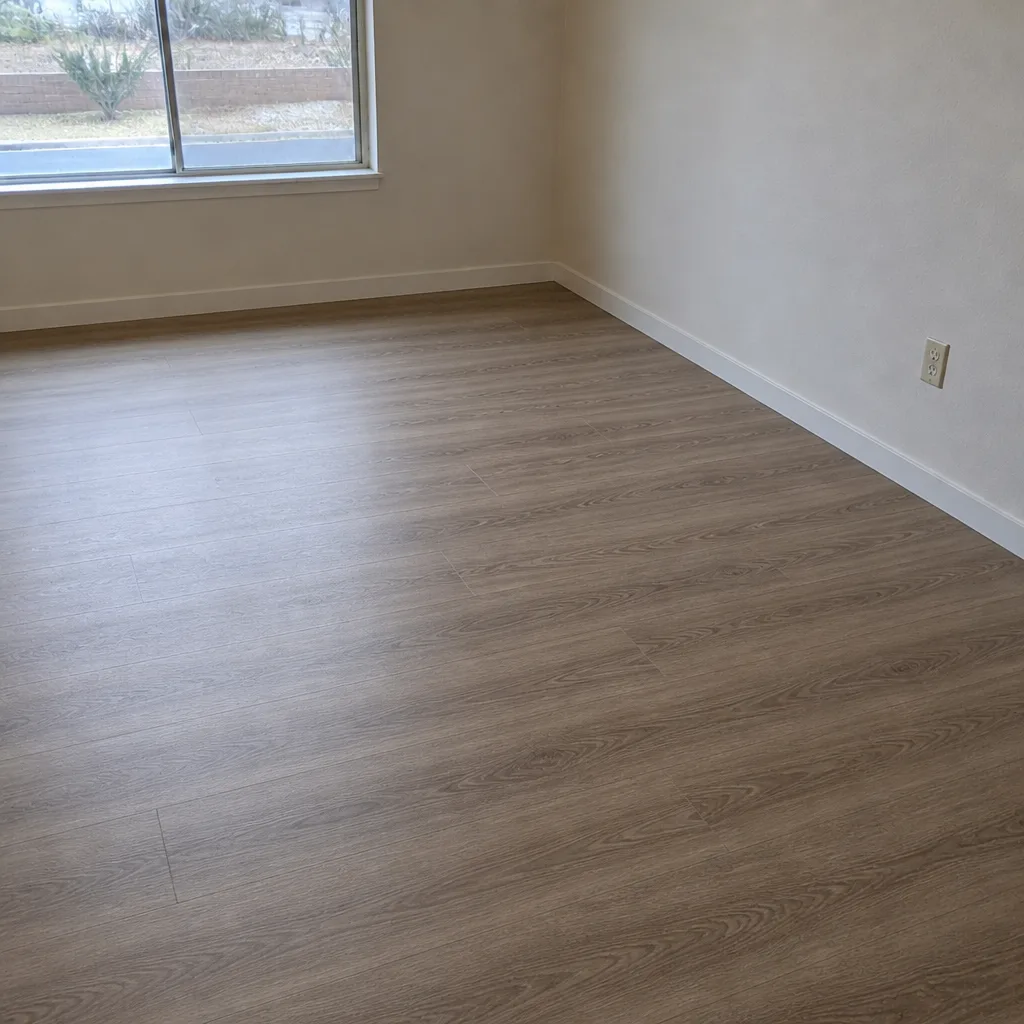 After
When to Call a Professional
Some flooring decisions and almost all flooring installs in Sunrise Manor are best handled by someone who knows the local conditions. Call us if you’re seeing winter gaps in an existing hardwood floor that never fully close, if a floor in a sun-drenched room has started to cup or buckle, if you’re hearing hollow spots under tile a year after it was installed, or if you’re planning a multi-room project and don’t want to coordinate separate contractors for carpet, tile, and refinishing work.
Also call if you’re not sure whether existing hardwood can be saved. Refinishing a floor that’s still structurally sound usually beats replacing it, and we’ll tell you which option actually fits your situation. Our technicians have up to 14 years of experience working across the floor categories. Flooring Sunrise Manor offers free estimates in Sunrise Manor. Call (888) 403-9063 to schedule yours. We answer 24/7. Fast dispatch from 7am to 7pm, Sunday through Friday.
Frequently Asked Questions
For most Sunrise Manor homes, the best performing options are SPC luxury vinyl plank, engineered hardwood, professionally installed tile, or a carpet built for dry-air static. Solid hardwood is the product most likely to gap and move here, and vinyl or engineered wood are the safer choices in sun-facing rooms. The right answer depends on the room and the slab, which is why an estimate visit matters.
Winter gaps in hardwood in Sunrise Manor are almost always the floor responding to low indoor humidity during heating season, not a failed installation. Indoor humidity drops sharply once the furnace runs, wood loses moisture, and boards shrink. Some of those gaps close again in spring. Whether they close depends on how much movement room the install left and how stable the product is. Call (888) 403-9063 for a free assessment if the gaps are wide or persistent.
Yes, but the core type matters. Dense SPC cores resist heat distortion better than softer WPC cores, especially in rooms with hours of direct sun. WPC is often a better choice in shaded rooms where comfort and quiet underfoot matter more. Choosing the right core for each room is the difference between a floor that lasts and one that starts telegraphing flaws. Call (888) 403-9063 for help picking the right product for your space.
Yes, and most Sunrise Manor homes are built on slab, so this is standard. What matters is the adhesive specification and moisture management. The adhesive has to be rated for heat cycling, and the slab should be tested for moisture before install. A tile floor installed on the right adhesive over a properly prepped slab holds up well in this climate.
Choose a carpet with antistatic construction or treatment rather than picking a product without it. Static in carpet is a low-humidity problem, and it’s fixable at the product-selection stage. Whole-home humidity management during winter helps too, but the biggest single factor is the carpet itself. Call (888) 403-9063 to talk through which carpets handle dry-air static best.
Often yes. Whether a hardwood floor can be refinished depends on the thickness of the wood and its condition, which is checked at the estimate visit. A floor that’s structurally sound but cosmetically tired is usually a refinish candidate. A floor with thin wear layers or structural damage may not be. We’ll tell you honestly which option makes sense. Call (888) 403-9063 to schedule a free estimate.
The Bottom Line
Sunrise Manor’s climate isn’t a footnote to your flooring decision. It’s the main variable. The 294 sunny days and frequent sub-20% humidity create a seasonal cycle that products in other markets simply don’t face, and the choices that work here are the ones built to handle that cycle. SPC luxury vinyl and engineered hardwood are the most reliable options for sun-facing rooms. Tile performs well on hot slabs when the adhesive and slab moisture are handled correctly. Carpet works well in bedrooms and hallways if you plan for static. And solid hardwood needs honest attention to humidity and movement room, not assumptions. If you’re planning a flooring project in Sunrise Manor, get a professional out to look at the actual conditions in your home before you choose a product.
Call (888) 403-9063 to schedule your free estimate. We answer 24/7. Fast dispatch from 7am to 7pm, Sunday through Friday. Closed Saturday, so a call then is booked into the next opening on Sunday. Our technicians have up to 14 years of experience installing, refinishing, and advising across Sunrise Manor’s climate conditions.
Written by the team at Flooring Sunrise Manor.