
Last updated November 17, 2026
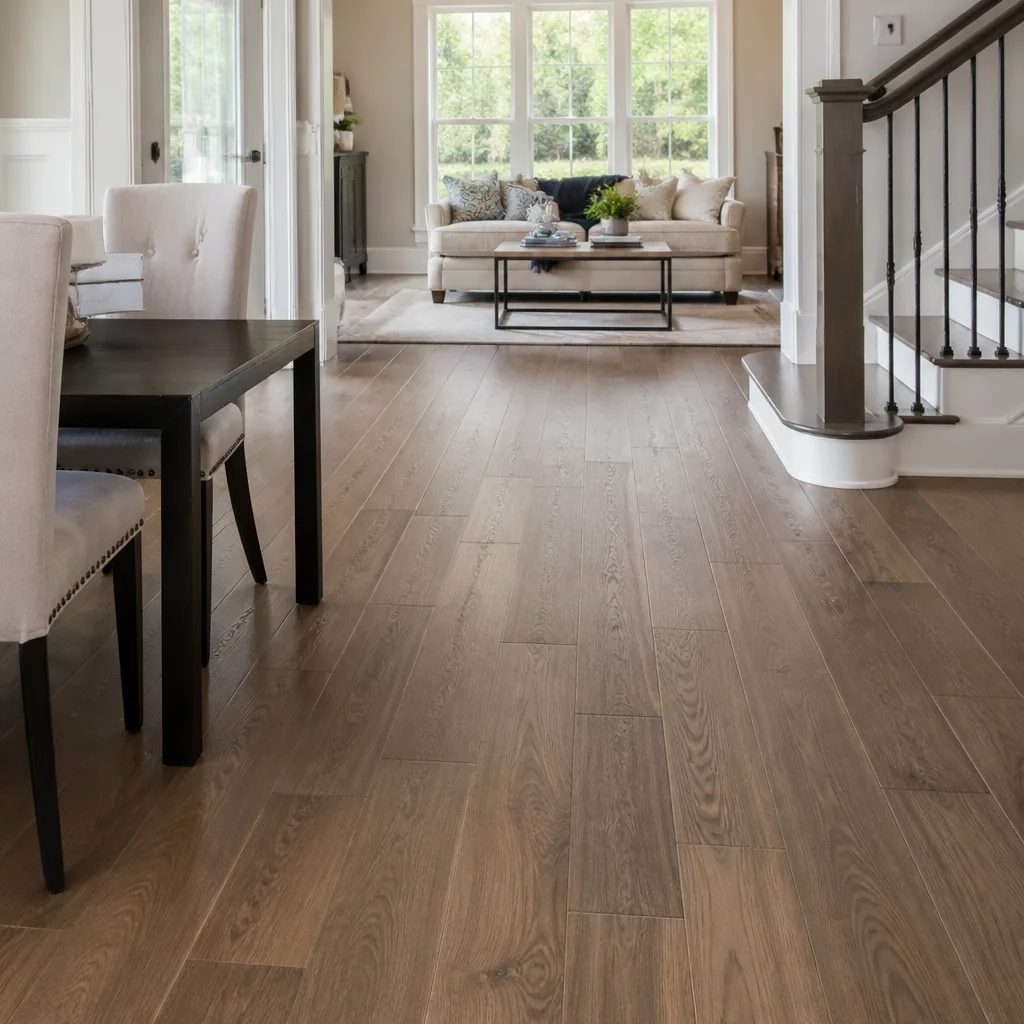
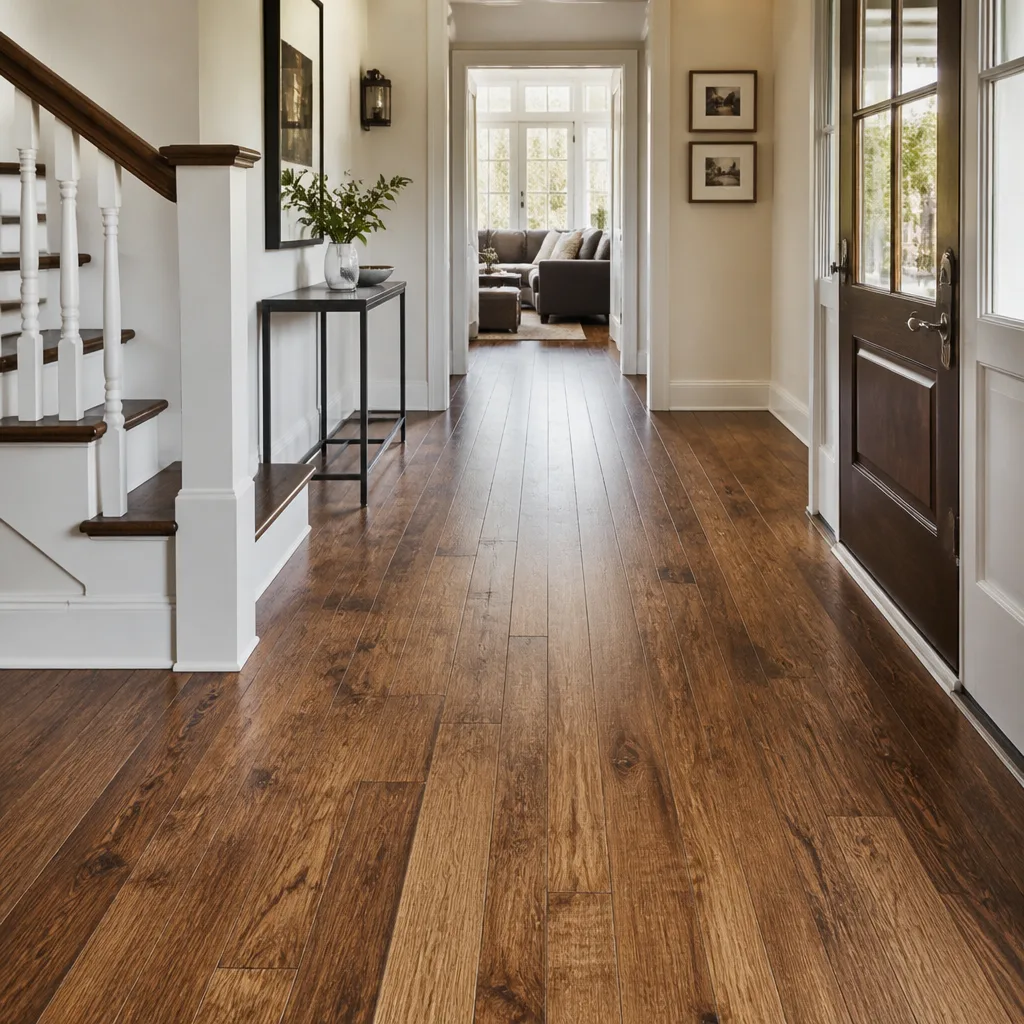 Hardwood
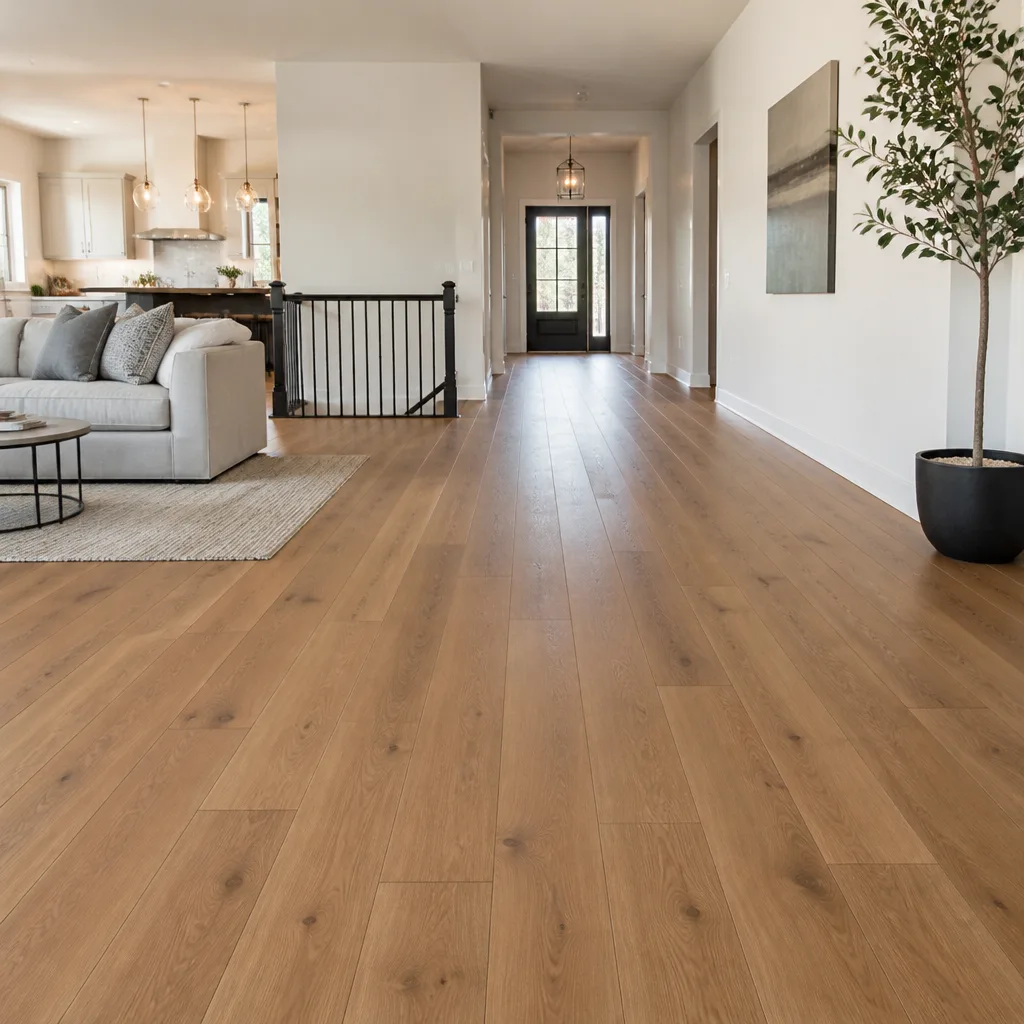 Engineered hardwood
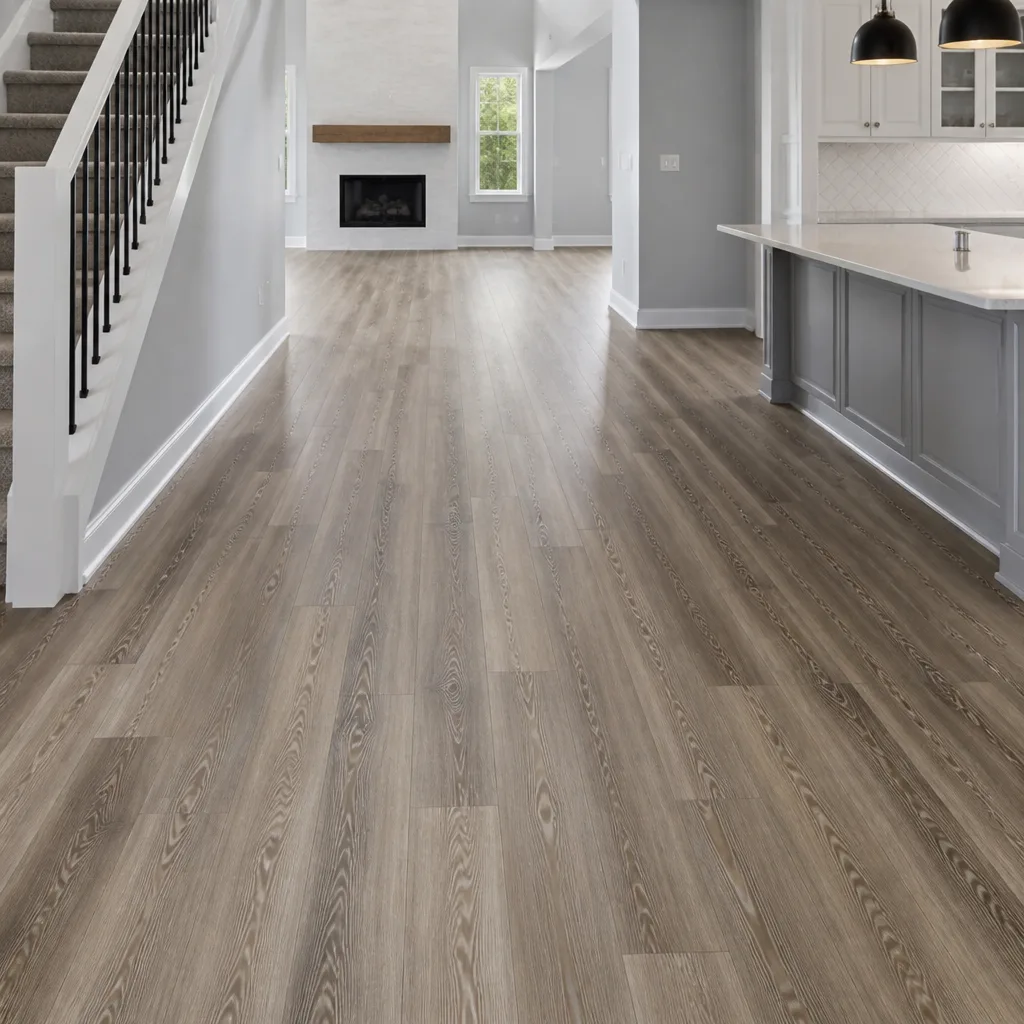
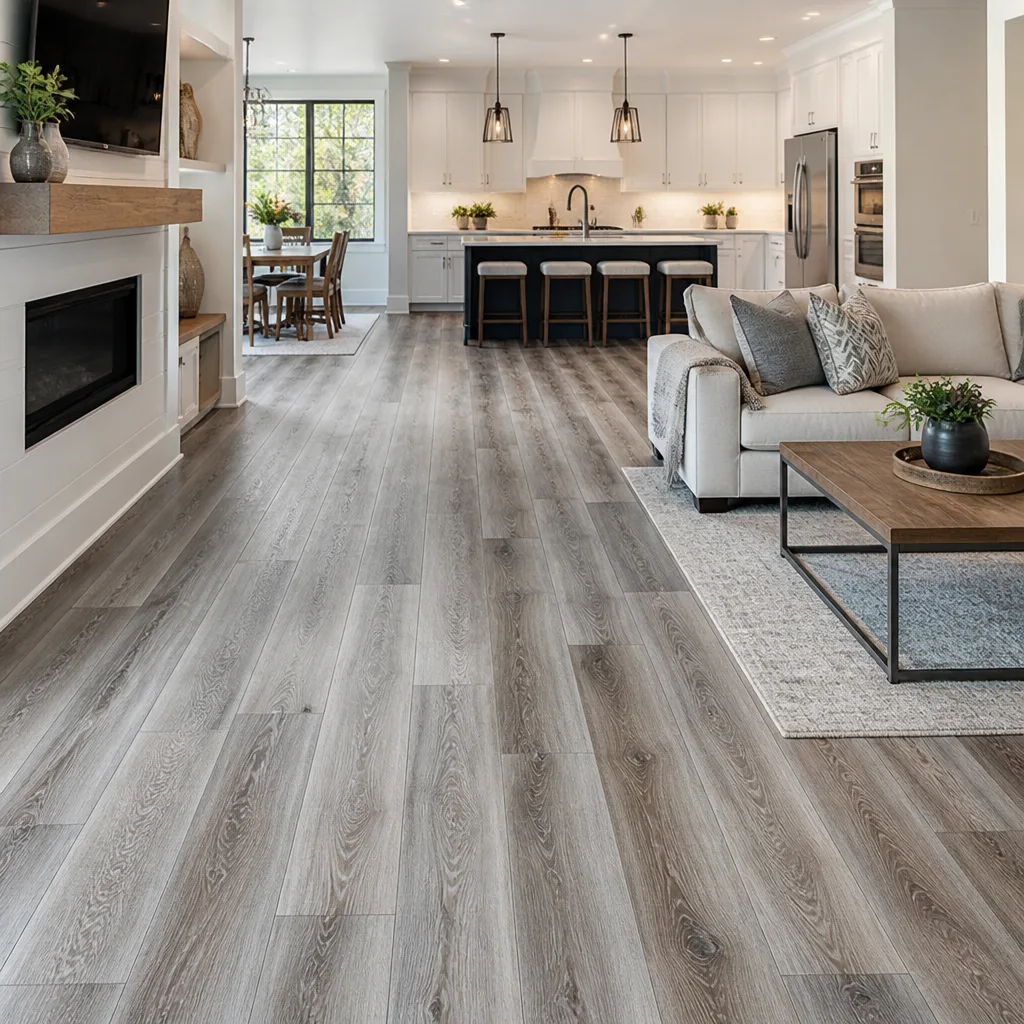 Luxury vinyl plank
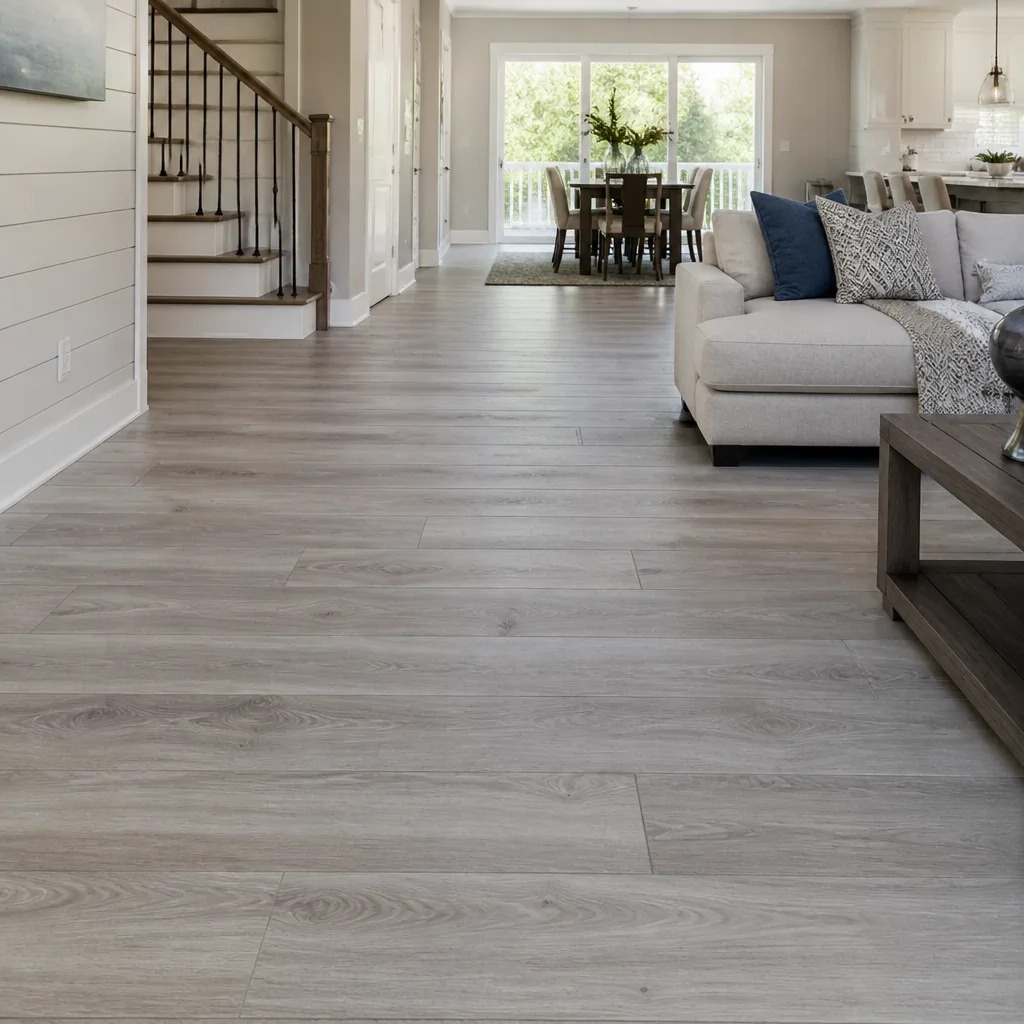 Laminate
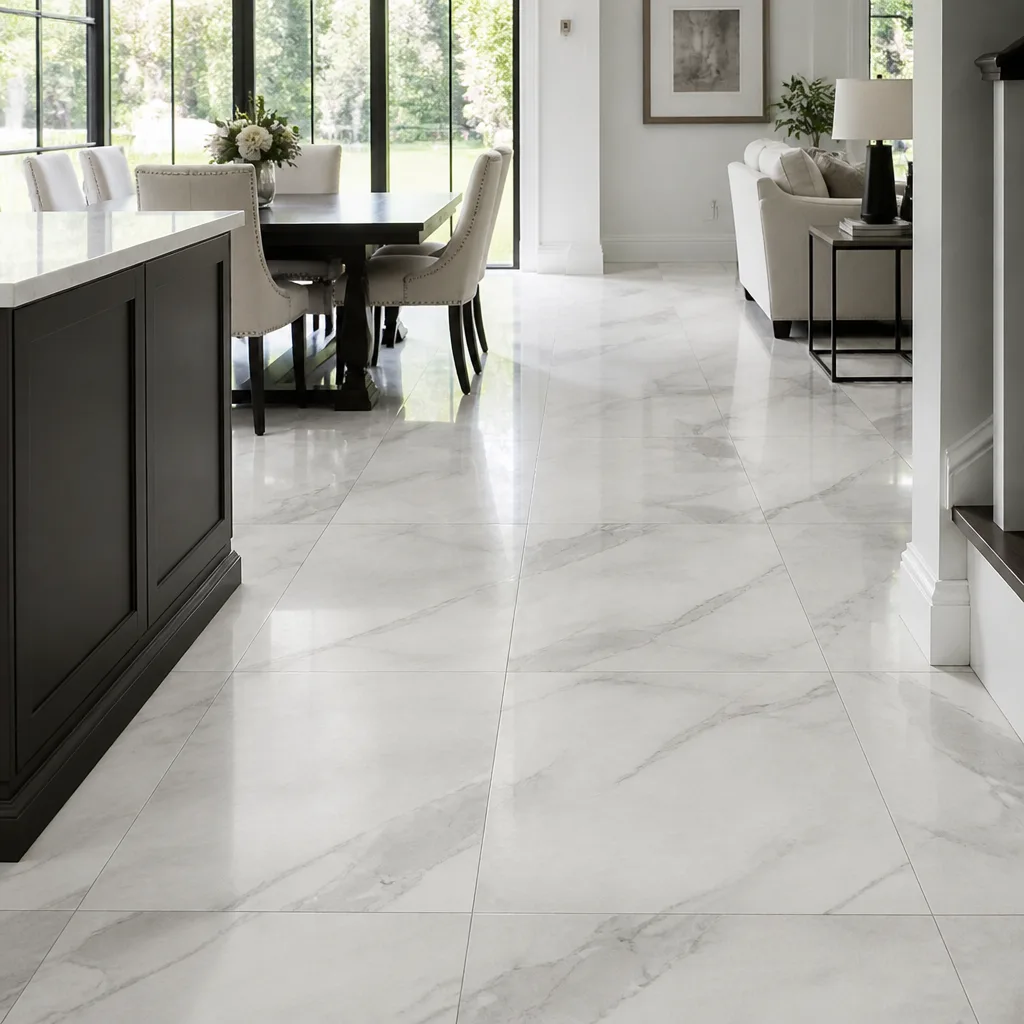 Porcelain tile
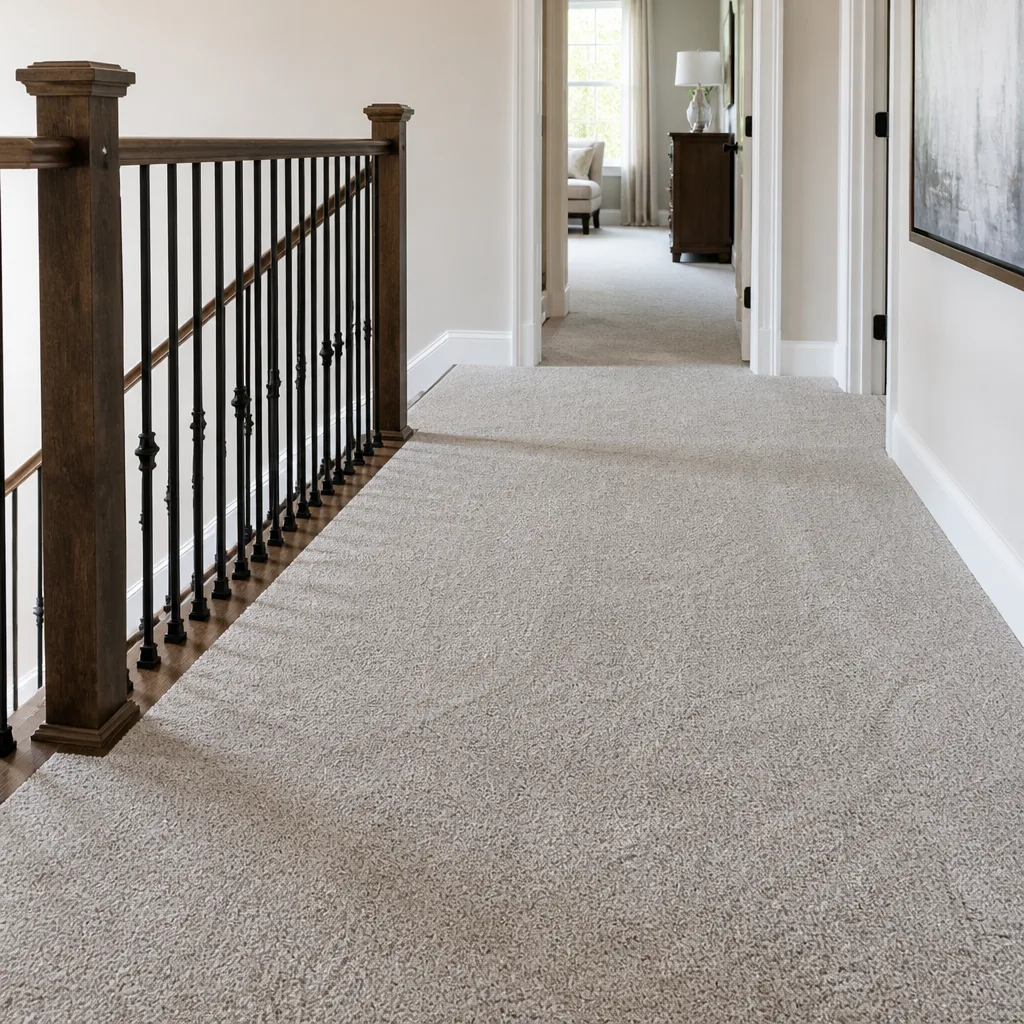 Carpet
 Shaw
 Mohawk
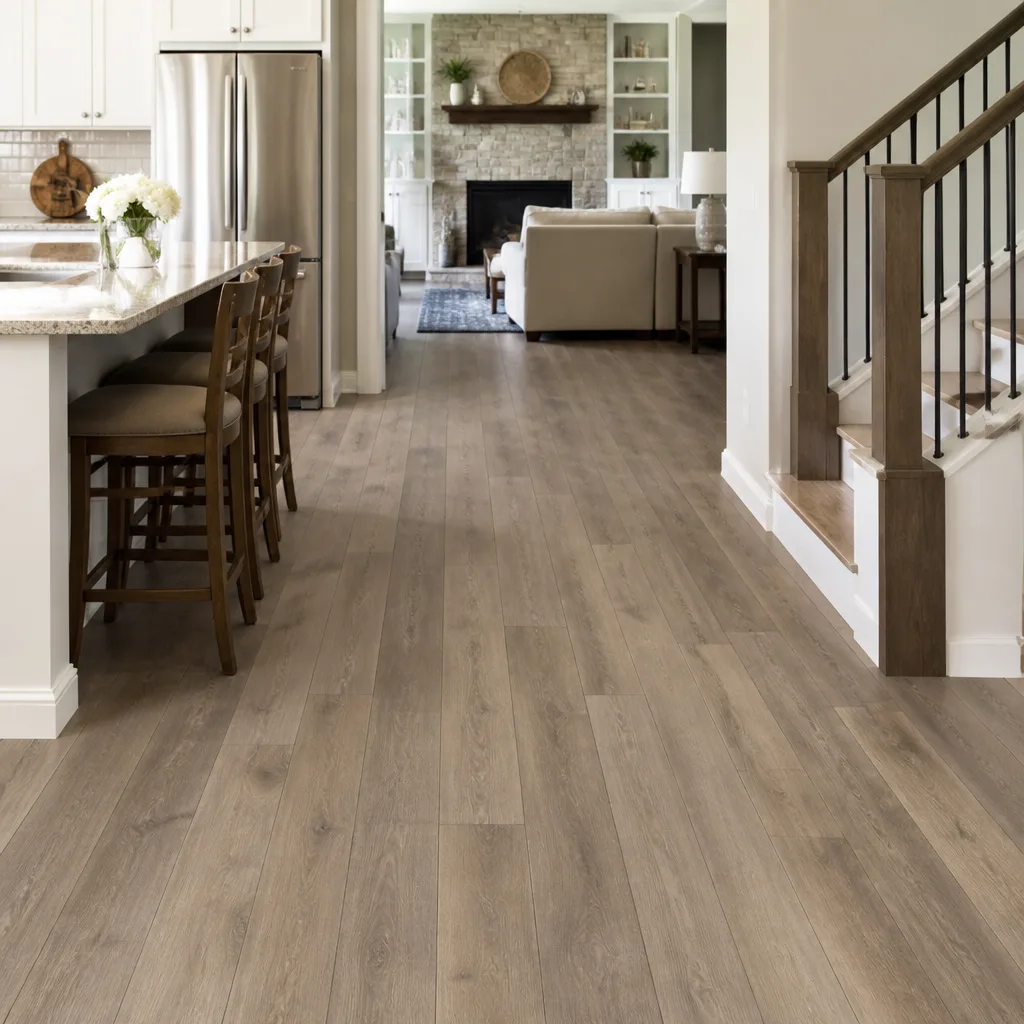 COREtec
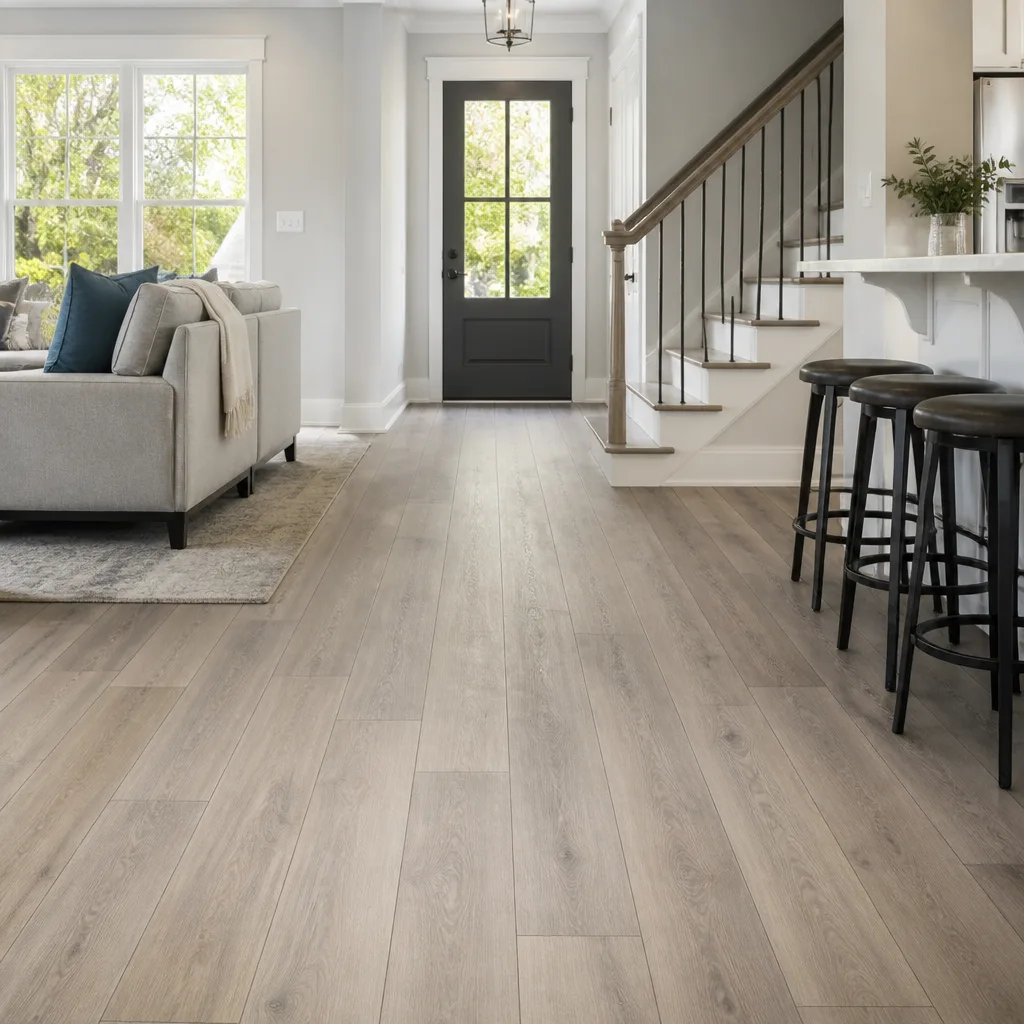 Pergo
Free in-home measure and written estimate: Shaw, Mohawk, COREtec and Pergo lines compared on your own rooms, with carpet, tile, vinyl plank, laminate and hardwood laid out side by side
Get your free estimateFlooring Cost Breakdown: The Sunrise Manor Homeowner’s Reference for 2026
Here’s the number that trips up most budgets: the price on the sample tag is not the price of the floor. A $3.50 per square foot luxury vinyl plank you found online will typically land closer to $7 to $9 per square foot installed in a typical Sunrise Manor home once slab prep, transitions, and haul-away are added, and that’s before anyone pulls up the old floor and finds a moisture problem underneath. The Las Vegas valley slab has its own ideas about what your project will cost, and the national averages quoted on most cost guides ignore every one of them. This reference builds the full picture from the slab up: materials, labor, underlayment, subfloor work, transitions, and disposal, with realistic 2026 ranges for each category. If you’re budgeting a floor in Sunrise Manor, you’ll leave knowing what actually drives the number.
Quick Answer
In 2026, a typical installed flooring project in Sunrise Manor runs roughly $4 to $12 per square foot all-in depending on material, with carpet at the low end, luxury vinyl and laminate in the middle, tile highest, and hardwood refinishing priced as a restoration service rather than a new floor. The two lines that blow up budgets here are subfloor prep on aging slabs and removal and disposal of original tile or glue-down carpet, which can each add a meaningful chunk on top of material and labor. The written estimate you receive at the in-home measure is the final word on price, because no honest quote can be finished until someone has seen your slab.
Styles & brands we work with
- Hardwood
- Engineered hardwood
- Luxury vinyl plank
- Laminate
- Porcelain tile
- Carpet
- Shaw
- Mohawk
- COREtec
- Pergo
Table of Contents
- What a Full Flooring Cost Breakdown Includes
- 2026 Price Ranges by Flooring Category
- What Old Glue-Down Tile and Carpet Removal Really Costs
- Subfloor Prep on a Las Vegas Valley Slab
- Why Square Footage Is a Misleading Budget Basis
- Where Spending More Upfront Pays You Back
- Refinishing vs. Replacement: The Math on Existing Hardwood
- How to Build a Realistic Flooring Budget Step by Step
What a Full Flooring Cost Breakdown Includes
A flooring price has six moving parts, and most cost guides only quote two of them. Material and labor are the visible ones. Underlayment, subfloor prep, transitions, and disposal are the ones that quietly add up, and in Sunrise Manor homes they tend to add more than the national numbers suggest.
Here’s how each line behaves on a real job:
- Material: Priced per square foot, plus a waste factor for cuts and room shape. The waste factor grows with the complexity of the layout.
- Labor: Installation skilled-trade time, priced per square foot or per job. Tile labor runs higher than carpet or vinyl because setting material and layout work are more demanding.
- Underlayment: The cushion, membrane, or backer layer beneath your finished floor. Some products carry attached underlayment; others need it specified separately.
- Subfloor prep: Flattening, patching, moisture management, and cleaning the slab before anything goes down. The biggest wildcard in this market.
- Transitions: Thresholds, stair noses, and trim pieces at doorways and material changes. Small line items that multiply across a whole house.
- Disposal: Tearing out and hauling away the old floor. Heavier and more stubborn than most homeowners expect, especially old tile.
One more cost that doesn’t show on a per-square-foot sheet: moving furniture. Clearing a room, pulling appliances, and resetting everything after the install is labor, and it has to be planned for. When we build an estimate in Sunrise Manor, we walk the rooms, count the doorways and stairs, and look at the slab before we commit a number. Anything less is a guess dressed up as a quote.
2026 Price Ranges by Flooring Category
These are typical 2026 ranges for a completed installation in the Sunrise Manor market, covering material, standard labor, and basic underlayment. The low end assumes a simple layout, sound subfloor, and modest material. The high end reflects premium products, complex layouts, or extra prep. They are estimates, and your written quote is what sets the final price.
- Carpet: roughly $4 to $8 per square foot installed. Cushion grade, fiber, and stair work move the number. Brands like Shaw and Mohawk span the range from builder-grade to premium soft surface.
- Luxury vinyl plank: roughly $5 to $10 per square foot installed. Thicker wear layers and attached underlayment push toward the top. COREtec and similar lines sit in the middle-to-upper part of the range, driven by plank construction and finish.
- Laminate: roughly $4 to $8 per square foot installed. Pergo and comparable products land in the middle; subfloor flatness matters more with laminate than with vinyl.
- Tile: roughly $7 to $12 per square foot installed, and higher for large-format tile, intricate patterns, or wet areas that need extra waterproofing measures. Professional-grade tile raises material cost but keeps installation predictable.
- Hardwood refinishing: roughly $3 to $6 per square foot for the refinish itself, not a new install. This is the one service that can save a floor rather than replace it, and it’s priced as skilled-trade restoration work.
Notice how wide the low-to-high spread is within each category. That spread is the point. Two Sunrise Manor homes with identical square footage can land at opposite ends of the range because of what’s under the finished floor. If you’re comparing a bid against these ranges, a professional tile flooring installation quote and a carpet quote will have very different line items even for the same room. For a deeper look at how carpet specifically breaks down in this market, our carpet installation page covers the cushion and stair variables that move the number.
What Old Glue-Down Tile and Carpet Removal Really Costs
Removal and disposal is the single most underestimated line on a Sunrise Manor flooring budget, and old glue-down tile is usually the reason. Tile set in older valley homes is often bonded aggressively to a concrete slab, and getting it up without damaging the slab beneath takes time, the right tooling, and haul-away logistics. It’s also heavy. A whole floor of old tile produces a lot of debris, and disposal has a cost of its own.
Here’s roughly how removal stacks up by material:
- Glue-down tile on slab: the highest removal cost, because the bonding material has to be scraped and the slab cleaned before any new floor goes down. Often the biggest hidden line item on a full-home project.
- Glue-down carpet: moderate. Adhesive residue on the slab sometimes needs prep before the next floor goes down.
- Tack strip carpet: the most straightforward removal, though tack strips and staples still take time to pull.
- Floating floors: the simplest removal, since the old planks lift out in sections.
Why does this matter so much here? Sunrise Manor’s housing stock includes many older homes where the original floor was installed decades ago. Bonded tile and adhesive have had all that time to set up, and the slab underneath often needs attention once the old floor is gone. Disposal also isn’t free: the demo debris has to be loaded, hauled, and disposed of, and tile can weigh far more than homeowners picture. We build this into estimates as a separate line so you can see exactly what removal is costing and decide whether to keep or replace.
If you’re weighing whether to tear out and replace versus restore, that’s a conversation worth having early. There are cases where keeping and refinishing existing hardwood beats replacement outright, and we’ll tell you honestly which makes sense once we’ve seen the wood.
Subfloor Prep on a Las Vegas Valley Slab
The desert climate and the concrete slab under most Sunrise Manor homes combine to make subfloor prep a line item you can’t skip. The valley’s dry air and temperature swings push and pull on slabs and wood framing alike, and any moisture that finds its way under a floor has to be handled before new material goes down. A floor laid over a problem slab will telegraph that problem back up.
Prep typically covers a few distinct jobs:
- Flattening and patching: high spots ground down and low spots filled so the new floor sits flat.
- Slab cleaning: adhesive and debris removed after demo so the new floor has a clean base.
- Moisture management: vapor control measures selected for the slab’s condition, a decision made at the estimate visit after testing.
- Crack and surface repair: addressing slab conditions that would show through a hard floor.
This is where the “national average” per-square-foot price fails completely. A flat, clean, dry slab adds little. A slab with adhesive residue, unevenness, or moisture that needs a control layer can add real cost. Laminate and hardwood are less forgiving of flatness than a floating vinyl plank, which is one reason the same room can cost different amounts depending on what you choose to put on it. We can’t quote subfloor prep honestly until someone has looked at the slab, and that’s exactly what a free in-home measure is for.
Why Square Footage Is a Misleading Budget Basis
Square footage is the number everyone budgets by, and it’s the least reliable one. The cost per square foot on a supplier’s website assumes a simple, open, rectangular room with an easy slab, and very few Sunrise Manor homes match that description room by room. Room complexity, furniture, and stairs all move the number in ways a flat rate can’t capture.
Here’s what square footage misses:
- Room count and shape: ten small rooms with closets and hallways cost more per square foot than one large open room, because every room adds cuts, transitions, and setup time.
- Stairs: stair work is priced by the step, not the square foot, and a full staircase of carpet or a stair nose for a hard floor is a real line item.
- Furniture and clearing: emptying rooms, pulling appliances, and resetting furniture is labor that a per-square-foot figure leaves out entirely.
- Transitions and doorways: each threshold and material change adds trim work. A three-material renovation has a lot of them.
- Subfloor condition: two identical rooms can carry very different prep costs depending on what’s underneath.
The practical takeaway: budget by room and scope, not by multiplying one square-foot price across your whole house. Walk your home room by room and note the stairs, the doorway transitions, and the furniture that has to move. That inventory is what turns a rough per-square-foot guess into a real project budget, and it’s what we work from when we build your estimate.
Where Spending More Upfront Pays You Back
Not every dollar spent on a floor is equal. In Sunrise Manor’s dust and foot-traffic conditions, a few specific upgrades tend to earn their cost back over the life of the floor, while others are purely aesthetic. Knowing which is which keeps your budget pointed at the right place.
- Thicker wear layers on luxury vinyl. A heavier wear layer holds up better to the grit that gets tracked in and the traffic that grinds it against the surface. Cheaper vinyl saves money now and shows wear sooner.
- Better underlayment and cushion. Under a hard floor, underlayment manages flatness and acoustics; under carpet, the cushion decides how the carpet wears and feels. This is where a modest upgrade has outsized influence.
- Proper subfloor prep. The least glamorous upgrade and the one that protects everything above it. A floor laid over a properly prepped slab lasts longer and looks better doing it.
- Professional-grade tile setting materials. Better setting materials and prep in wet areas keep a tile floor performing the way it should.
Where to save? Cosmetic choices carry less risk. A simpler tile pattern, a mid-grade carpet fiber, or a standard plank finish can look great without the premium price. Our approach is to recommend the options that map to how you actually live, not how the sample looks under showroom lighting. Nine brands across carpet, luxury vinyl, laminate, tile, and hardwood means we can steer you toward the right performance level for your household without steering you toward one brand’s most expensive SKU.
For a broader look at how we think about matching floors to homes, our main Flooring Sunrise Manor page is the place to start.
Refinishing vs. Replacement: The Math on Existing Hardwood
If your Sunrise Manor home has original hardwood under the carpet or behind the doors, refinishing is often the cheaper and better option, and it’s a service most flooring retailers don’t perform at all. Sanding, staining, and finishing an existing floor costs a fraction of installing a new one, and it keeps the material already in your home. The catch is that it depends on the wood: thickness, condition, and how much material is left to work with determine whether a floor can be refinished at all.
Here’s how to think about the decision:
- Check the wood thickness and condition. A floor that has been sanded many times, or one with deep damage, may not have enough left to refinish. This is checked at the estimate visit.
- Compare the refinish cost against replacement. Refinishing typically runs $3 to $6 per square foot; a new hardwood install runs higher once material and removal are added.
- Consider longevity and style. Refinishing lets you change the stain color without losing the original wood. If the floor is structurally sound and thick enough, restoring it is usually the smart move.
We offer hardwood floor refinishing as a standalone service, so you can restore an existing floor without committing to a full replacement. If the wood won’t take a refinish honestly, we’ll say so. Refinish before you replace is a good default, but only when the wood can handle it. There’s no promise that every floor can be refinished, and no guarantee a stain will match a sample exactly; the thickness and condition of the wood decide, and we tell you which way it points at the estimate.
How to Build a Realistic Flooring Budget Step by Step
The most reliable way to budget a flooring project in Sunrise Manor is to stop multiplying and start scoping. Go room by room, document what’s there, and build the number from the specifics. Here’s the process we recommend walking through before any estimate.
- List each room and its square footage separately. Note the shape, closets, and doorways. Room count matters as much as total area.
- Count the stairs. Every step is priced separately, and a full staircase is its own line item.
- Note what’s on the floor now. Original glue-down tile and glue-down carpet are their own removal costs, and they change the math.
- Flag doors and transitions. Each material change and threshold adds trim and labor.
- Note the furniture. Which rooms need to be emptied, which appliances pulled?
- Pick a category and a performance tier. Carpet, vinyl, laminate, tile, or refinish existing hardwood. Match the tier to how the room is used.
- Bring the inventory to the estimate. This is what lets a specialist build an honest number instead of a national-average guess.
Add a contingency for the things that only show up once the floor is up. A slab with unexpected moisture or a surprise underlayment can add to the total, and planning for it keeps the project on budget instead of on a payment plan. If you’re renovating more than one room, the coordination savings matter too: keeping carpet, tile, and hardwood work with a single specialist avoids the scheduling conflict of juggling separate trades. Our Sunrise Manor page covers how we handle local projects from the first measure to the final walkthrough, and the carpet installation guide lays out what a full-home soft surface project involves.
Common Mistakes to Avoid
- Budgeting from a per-square-foot retail price. That number excludes labor, subfloor prep, transitions, and disposal, and those four lines routinely add the most in this market.
- Forgetting the old floor. Glue-down tile removal in a Sunrise Manor home can be the biggest hidden line item. If you’ve got original tile, price the removal before you commit.
- Assuming the slab is flat and dry. It rarely is in older valley homes. Skipping subfloor prep to save money now means paying for a floor that telegraphs every flaw later.
- Ignoring the stairs. Steps are priced individually, and a staircase can catch homeowners off guard when it isn’t in the original estimate.
- Picking the cheapest material and the hardest install for it. Some materials are more forgiving of subfloor conditions than others. Choosing a demanding product on a rough slab raises the prep cost.
- Replacing hardwood that could be refinished. If the wood is thick enough and sound, refinishing saves money and keeps the original floor. Have it checked before you tear it out.
- Spreading one quote across every room. Each room has its own complexity. A whole-home budget built from a single room’s price will be wrong.
See the difference
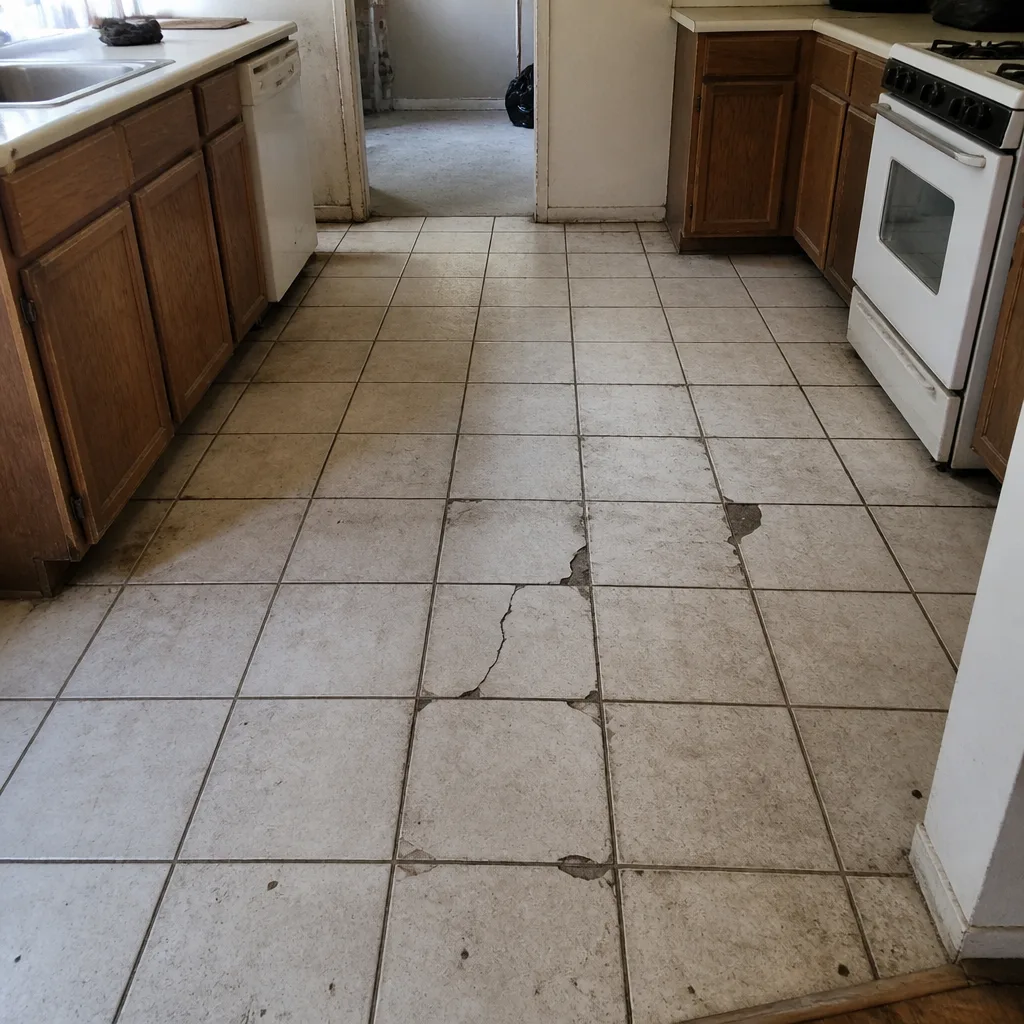 Before
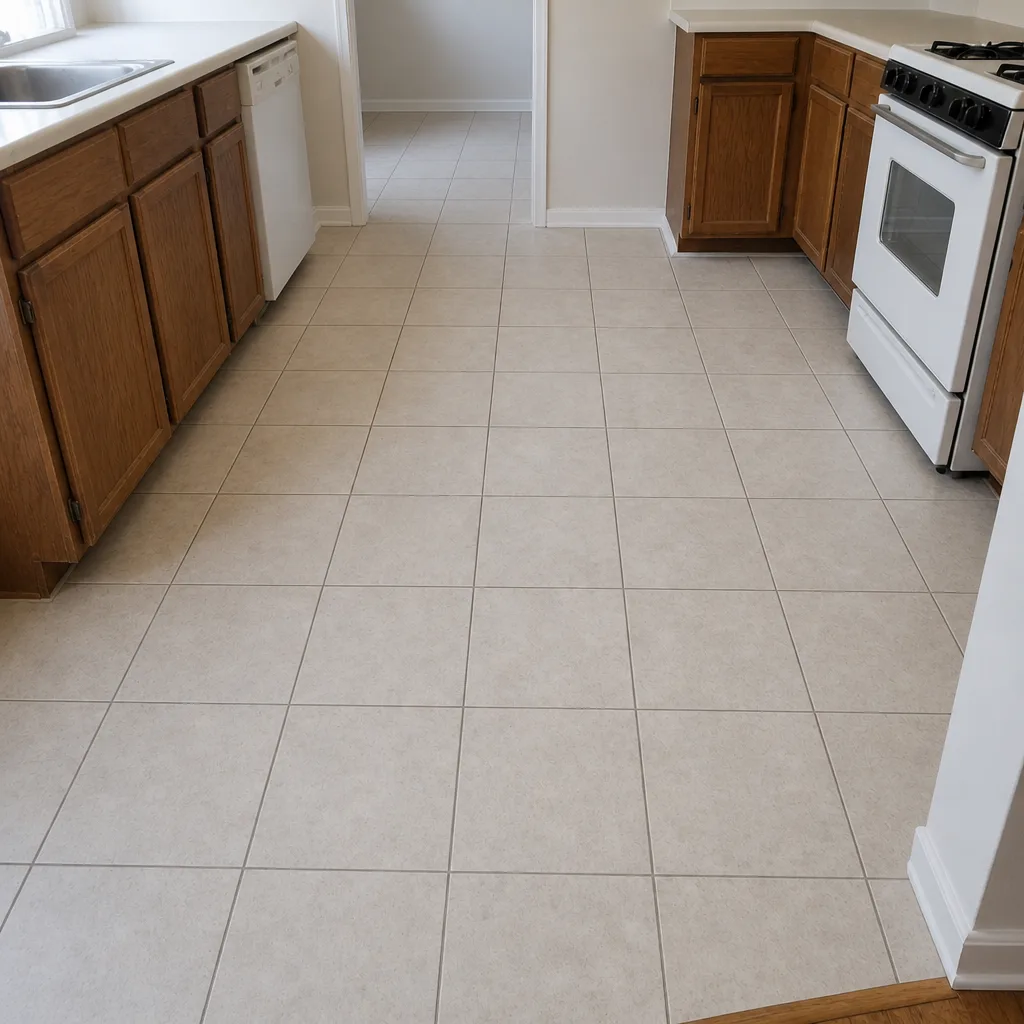 After
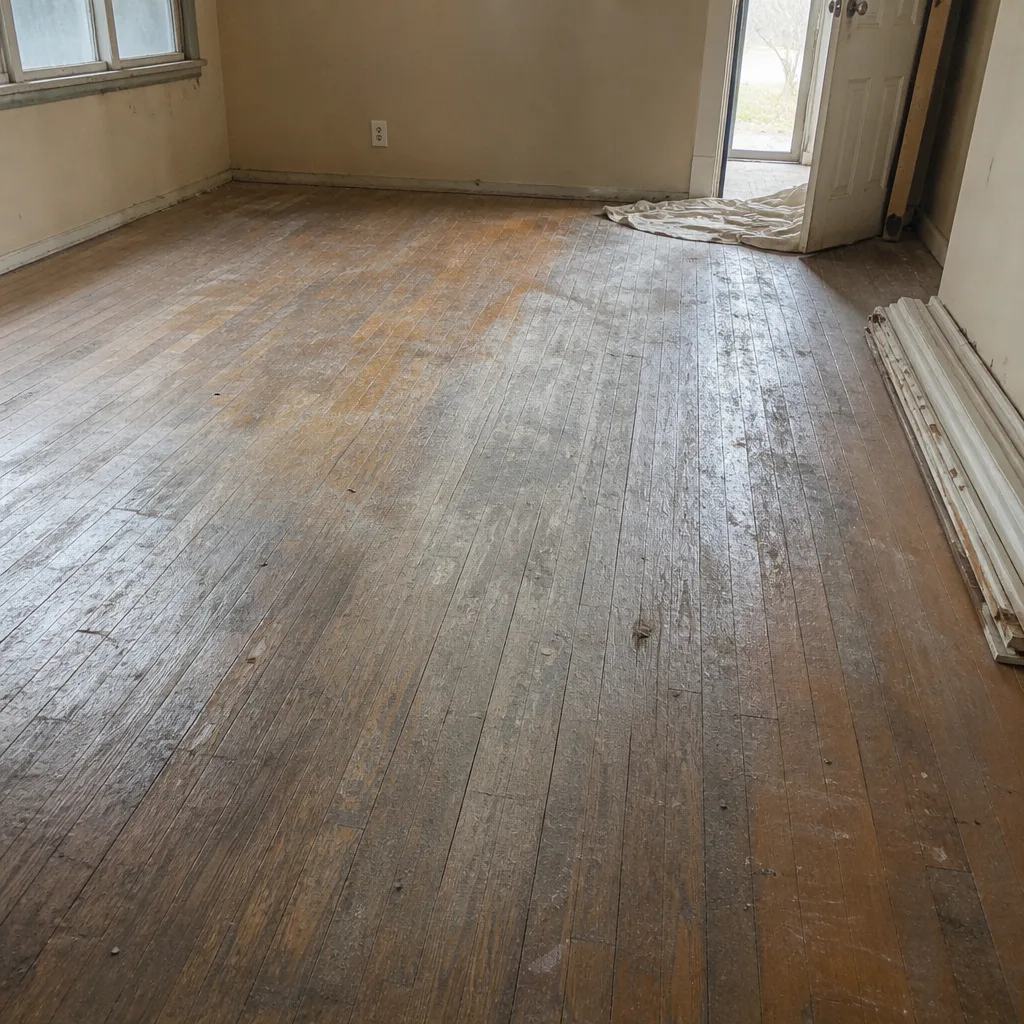 Before
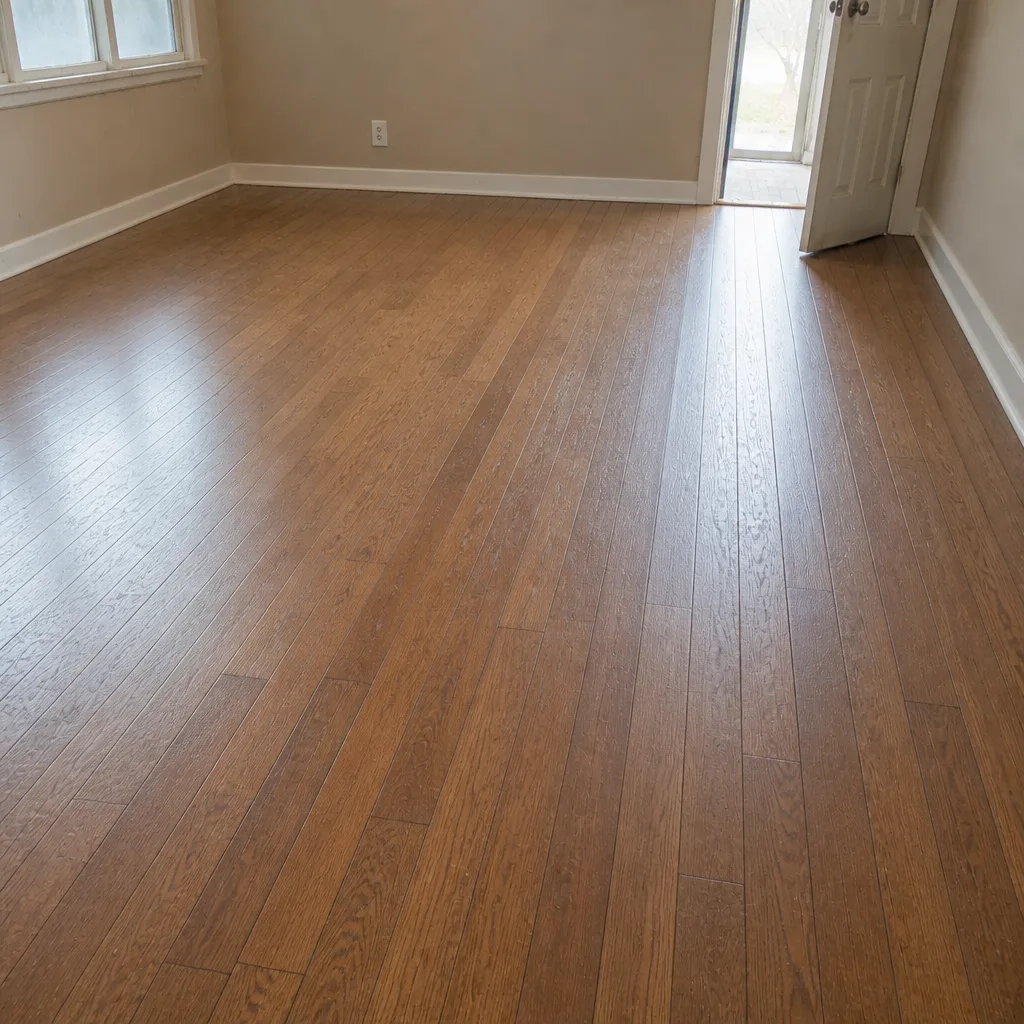 After
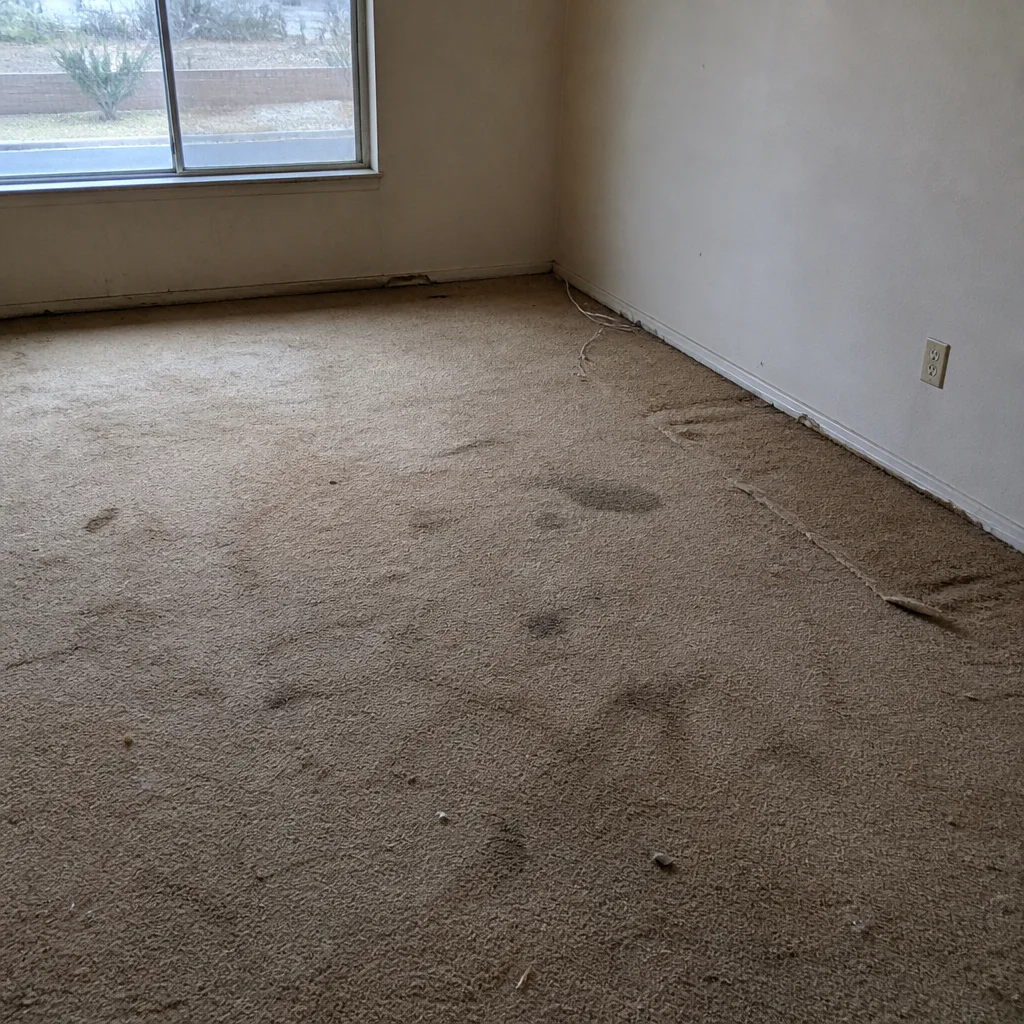 Before
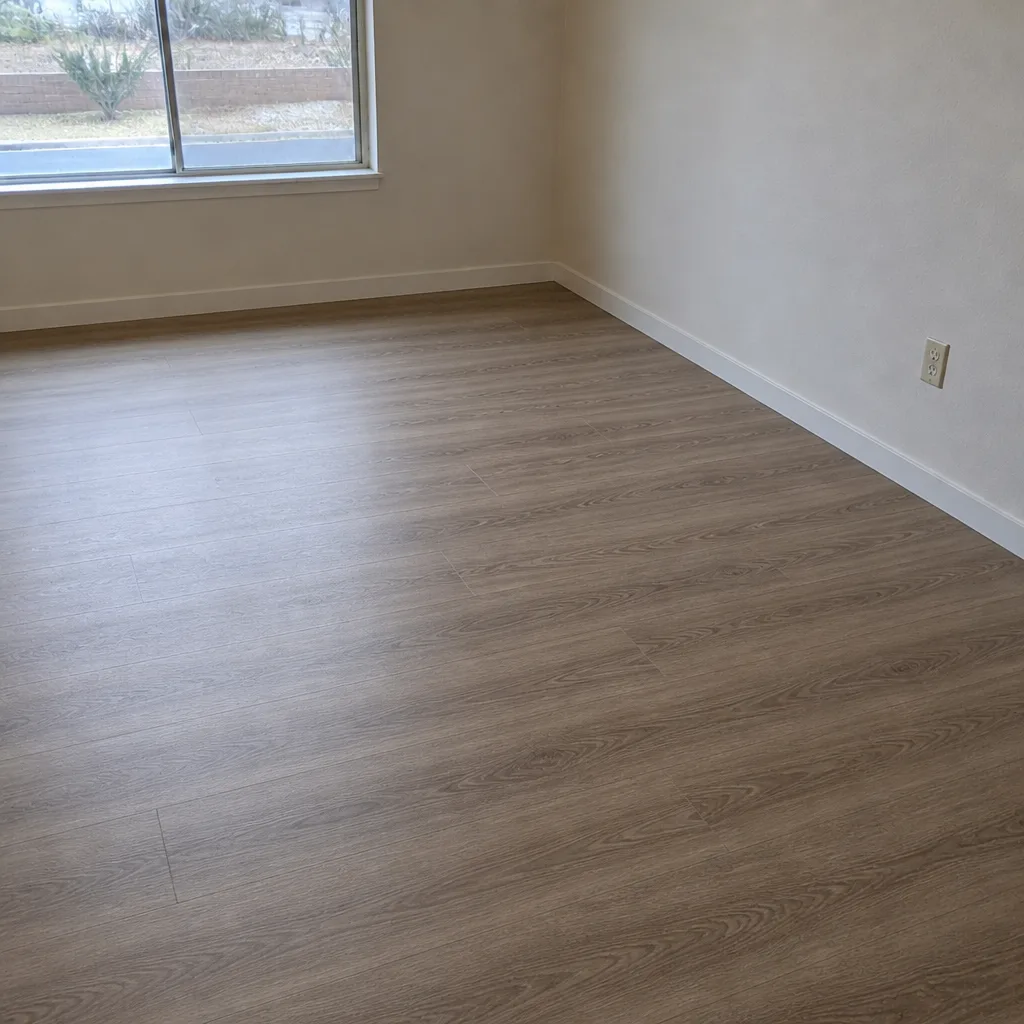 After
When to Call a Professional
Some flooring decisions are safe to research on your own: brand comparisons, sample photos, a rough sense of what you like. The moment subfloor condition, removal scope, or refinishing viability enters the picture, it’s time for trained eyes on the slab. We call those the three triggers: a floor that’s failed or feels soft underfoot, an old bonded tile floor you want gone, and hardwood you’re unsure can be saved. All three need an in-person look, not a phone guess. Removing bonded tile and working on slabs and structural subfloor is real work with real risk of damage to the slab if it’s handled wrong, and the math on refinishing versus replacement can’t be settled without checking the wood. Flooring Sunrise Manor offers free estimates in Sunrise Manor. Call (888) 403-9063 to schedule yours. We answer 24/7, and dispatch runs from 7am to 7pm, Sunday through Friday.
Frequently Asked Questions
Typical installed costs in Sunrise Manor in 2026 range from roughly $4 to $12 per square foot all-in, with carpet at the low end, luxury vinyl and laminate in the middle, tile highest, and hardwood refinishing priced separately at roughly $3 to $6 per square foot. Subfloor prep and old-floor removal add to that range, and the written estimate sets the final price. Call (888) 403-9063 for an exact quote, estimates are free.
Because the sample tag covers only material, while the installed price adds labor, underlayment, subfloor prep, transitions, and disposal. In Sunrise Manor, slab prep and old tile removal are the lines that most often double a budget built from material price alone. A free in-home measure is how you find out what those lines cost for your specific home.
Removal of glue-down tile is typically the highest-removal-cost flooring to take up, because the bonding material has to be scraped and the slab cleaned before a new floor goes down. The exact figure depends on the slab condition and square footage, so it’s quoted as a separate line at the estimate visit. Call (888) 403-9063 to have your removal scope priced, estimates are free.
Usually yes in older Sunrise Manor homes, even if the prep is limited to cleaning and flattening. The dry desert climate and concrete slab mean any moisture has to be managed before a new floor covers it, and the right prep depends on what your slab looks like once the old floor is up. The estimate visit is where we check and price it.
Refinishing is generally cheaper than replacement, typically running $3 to $6 per square foot compared with the cost of a new hardwood install that includes material and removal. Whether your floor can be refinished depends on the thickness and condition of the wood, checked at the estimate. Call (888) 403-9063 to find out which option makes sense for your floor.
The schedule is set at your estimate, once the scope, subfloor condition, and material are known. Tearing out old tile, prepping a slab, and installing a hard floor takes more time than a straightforward carpet replacement, and your written quote reflects the timeline for your specific job. The estimate is free, so call (888) 403-9063 to get the schedule for your project.
The Bottom Line
If you take one thing from this guide, take this: the installed price of a floor is never the material price, and in Sunrise Manor the gap is wide. Material and labor are the visible lines. Removal and disposal of old glue-down tile or carpet, subfloor prep on aging valley slabs, transitions, and haul-away are the lines that decide whether your budget holds. 2026 installed ranges run from roughly $4 to $12 per square foot by category, with hardwood refinishing at roughly $3 to $6 per square foot when the wood can be saved. Budget by room and scope, plan a contingency for what the floor reveals, and get a number built on your slab rather than a national average. Nine brands. Three services. One specialist. Call (888) 403-9063 to schedule your free estimate. We answer 24/7. Fast dispatch from 7am to 7pm, Sunday through Friday.
Written by the team at Flooring Sunrise Manor.