
Last updated November 17, 2026
 Hardwood
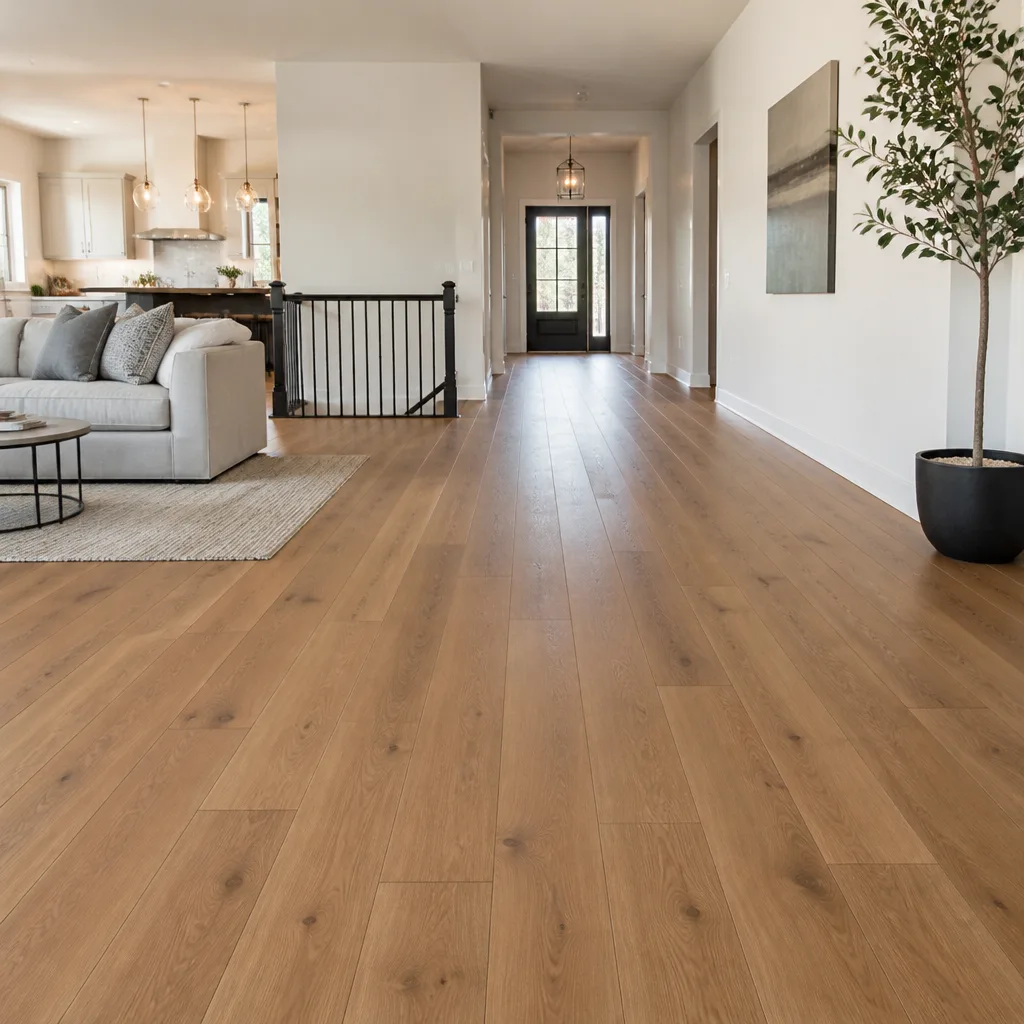 Engineered hardwood
 Luxury vinyl plank
 Laminate
 Porcelain tile
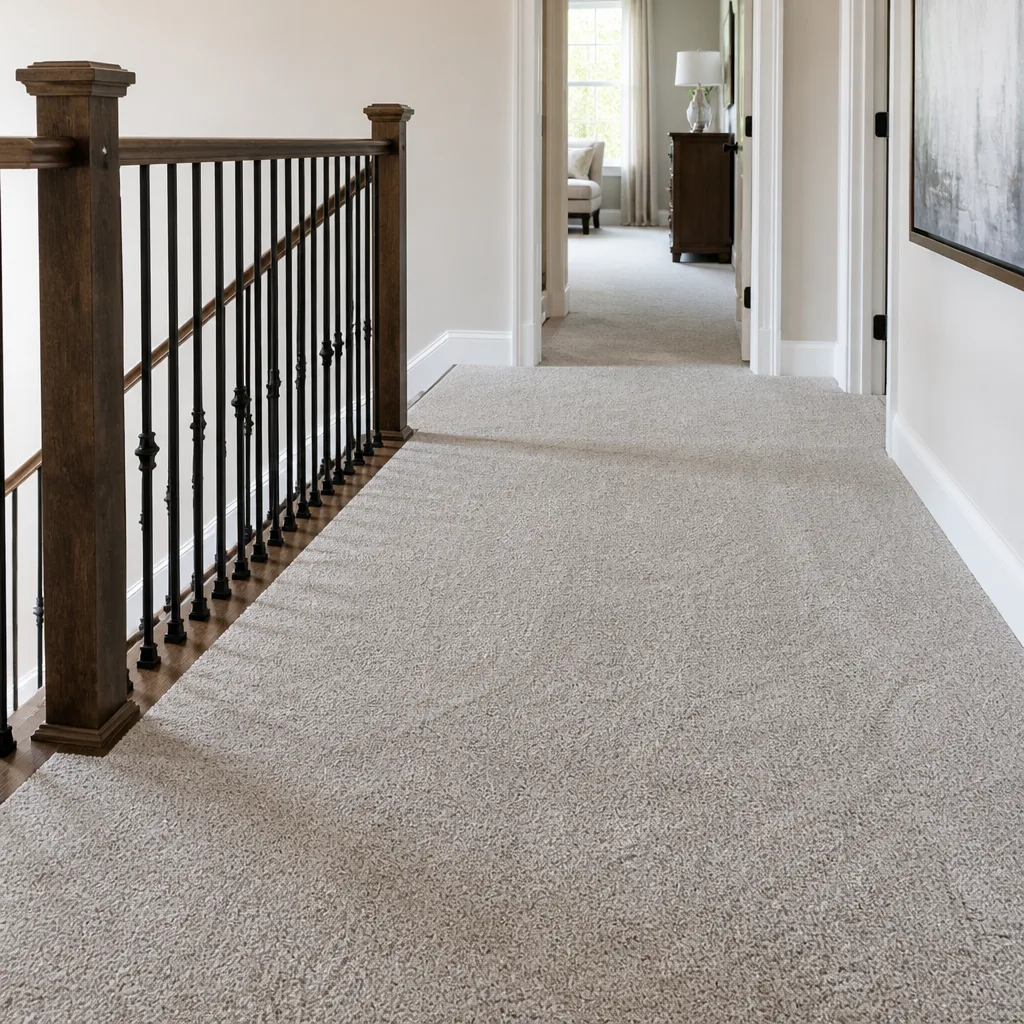 Carpet
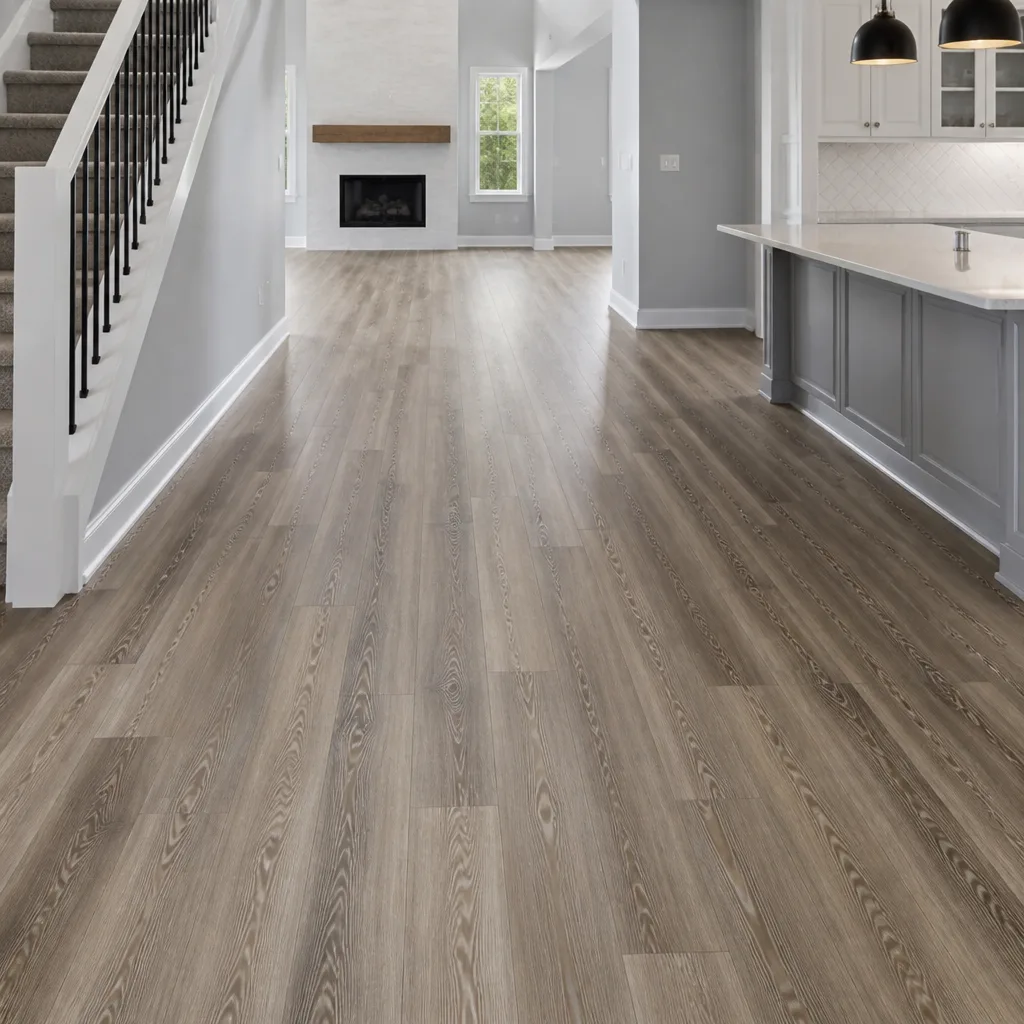 Shaw
 Mohawk
 COREtec
 Pergo
Free in-home measure and written estimate: Shaw, Mohawk, COREtec and Pergo lines compared on your own rooms, with carpet, tile, vinyl plank, laminate and hardwood laid out side by side
Get your free estimateHow to Hire a Flooring Contractor in Sunrise Manor: A Step-by-Step Guide
Most flooring complaints don’t start with a bad product. They start with a bad hire. The floor looks fine on install day, then eight months later a seam lifts, a tile pops, or a plank gap opens along a wall – and the phone number on the invoice no longer works. Nevada requires a C-16 flooring contractor license for this trade, yet a surprising number of quotes homeowners in Sunrise Manor receive come from crews working under a handyman exemption or borrowing someone else’s license number. This guide shows you how to check a license, what to ask that separates a flooring specialist from a general contractor who dabbles, and how to read a written scope closely enough to spot a skipped step before you pay for it.
Quick Answer
To hire a flooring contractor in Sunrise Manor, verify an active Nevada C-16 license through the Nevada State Contractors Board before anything else, get a written scope of work that names the product, the subfloor prep, and the moisture testing plan, and compare at least three bids line by line instead of on the bottom number. A contractor who can’t produce a license number on request, or who quotes a full room without inspecting the slab, is the one to walk away from. The cheapest bid usually means a prep step got cut, not that the crew is faster.
Styles & brands we work with
- Hardwood
- Engineered hardwood
- Luxury vinyl plank
- Laminate
- Porcelain tile
- Carpet
- Shaw
- Mohawk
- COREtec
- Pergo
Table of Contents
- Step 1: Verify the Nevada C-16 License
- Step 2: Ask the Questions That Separate Specialists from Generalists
- Step 3: Read the Bids, Not Just the Bottom Line
- Step 4: What a Real Written Scope of Work Contains
- Why Subfloor and Moisture Matter More Here Than Almost Anywhere
- Las Vegas Valley Red Flags to Watch For
- Refinishing vs. Replacing: Get an Honest Answer First
- Step 5: Before You Sign and Before You Pay
Step 1: Verify the Nevada C-16 License
Nevada classifies flooring work under the C-16 license, and the state requires a contractor holding that classification to perform it. Verifying a license is the single highest-value five minutes you’ll spend on the whole project. The Nevada State Contractors Board (NSCB) publishes an online license lookup where you can search by license number or by the contractor’s business name. Run both searches. A legitimate flooring contractor in Sunrise Manor will have an active status, the correct classification, and a monetary limit that covers your job.
Here’s the order to do it in:
- Ask for the license number in writing – by text or email, before the estimate visit is scheduled.
- Search the number on the NSCB site and confirm the business name on the license matches the name on the quote.
- Check that the classification includes flooring (C-16) and that the status shows active.
- Note the monetary limit. If the license limit is lower than your project total, that’s a problem worth raising directly.
- Confirm the business name on the license matches the name on the written contract you’ll be asked to sign.
If a contractor can’t give you a license number upfront, that’s your answer. Some will say the number is “on the truck” or that their “boss handles the paperwork.” A licensed operator knows the number cold. Others will hand over a number that belongs to a different company – sometimes a contractor who let them use it informally. The name mismatch on the NSCB lookup is exactly what catches that pattern. If the name on the license and the name on the invoice don’t line up, don’t sign. If you’re unsure how to read the lookup result, ask the contractor to walk you through it. Someone working under a valid C-16 license will be happy to.
There’s a subtlety worth knowing. Nevada has a handyman exemption that lets unlicensed workers handle small jobs under a low dollar threshold. Some crews stretch that exemption to cover floor replacement in a whole house. If the quote is for anything beyond a small patch job, a C-16 license should be part of the conversation. Ask directly: “Are you working under your C-16, or under the handyman exemption?” A straight answer tells you a lot.
Step 2: Ask the Questions That Separate Specialists from Generalists
General contractors do many things. Flooring specialists do one thing. The questions below are hard to bluff through if you don’t actually work in floors every week. Ask them during the estimate visit – not after the contract is signed. The answers reveal whether you’re working with a flooring contractor or a crew that also happens to install floors between other jobs.
- “How do you test for moisture in the slab?” In the Las Vegas valley, a concrete slab is the most common subfloor. A proper flooring specialist will have a testing method (typically calcium chloride tests or in-situ probes, depending on the product) and will know that different manufacturers specify different acceptable limits. A generalist usually says “we just lay it” or “it’s dry here, so it’s fine.” Neither is a complete answer.
- “What acclimation does this product need?” Solid hardwood, engineered wood, some laminates, and vinyl plank all have different acclimation requirements depending on manufacturer instructions and how the material was shipped and stored. A specialist knows this varies by product, reads the instructions, and adjusts the schedule. A generalist installs whatever the pallet arrives at.
- “How does the installation comply with the manufacturer’s warranty requirements?” Every flooring brand has installation requirements tied to its warranty. If the installer skips one – expansion gaps, specific underlayment, moisture barrier, seam placement – the warranty can be voided. Ask the contractor to walk you through the product’s installation requirements and how they’ll be met.
- “What’s the prep plan for this subfloor?” Slab cracks, high spots, low spots, old adhesive residue, and dust are all prep problems. Prep is often the difference between a floor that lasts and one that telegraphs every imperfection. A vague answer here is worth flagging.
- “Who’s on the install crew?” Ask how many installers will be on-site, whether the same crew that measured will install, and who you call if something goes wrong after install. If the answer is “different people” with no point of contact, ask who is responsible.
- “What’s your written change-order process?” Any legitimate contractor will have one. Ask for it before work begins.
You’re not looking for perfect answers. You’re looking for someone who knows that these questions exist and takes them seriously. If the person on your estimate visit pauses, says “good question,” and then gives you a real answer grounded in the product, that’s the signal. If they wave it all off with “we’ve done hundreds of these,” that’s a different signal.
Step 3: Read the Bids, Not Just the Bottom Line
In Sunrise Manor, the flooring quotes a homeowner gets back tend to fall into two shapes. One is a single page with a lump sum, a start date, and the product name. The other is a line-itemized document that lists materials, labor, prep, haul-away, and the specific subfloor work to be done. The second kind is almost always from a more competent contractor, and it’s the only kind you can meaningfully compare.
Here’s how to compare bids properly:
- Compare prep line by line. If one bid has $X for slab crack repair and another has “prep included,” the “prep included” bid is what you can’t measure. Ask what’s included. If the answer is “we’ll see when we get there,” the bid doesn’t cover it.
- Compare the product specification. Bids should name the exact product line and color, not just “vinyl plank” or “carpet.” If it says “similar,” ask which one, specifically. This is where bait-and-switch risk lives.
- Compare the removal and disposal. Who hauls away the old floor? Is the dumpster or disposal fee listed? Some quotes bury this in labor, some leave it out entirely, and some hand the homeowner the old carpet on the way out.
- Compare the warranty terms in writing. The written contract should say what the installer warrants – typically the workmanship. Manufacturer warranties are separate and tied to the product. You want both spelled out.
- Compare the payment schedule. A large deposit as a percentage of the total, before any materials arrive, is common enough in the trade to ask about. But a deposit large enough that you’d be uncomfortable if the project stalled is a red flag.
A bid that’s 40% lower than the others for the same room is not efficient. It’s missing something. In this climate, the missing something is almost always slab prep or moisture testing, and those are precisely the steps you can’t see after install. When you compare bids, prepare a simple three-column sheet: contractor name, line-item cost, and what the line-item description says. Two or three evenings of careful comparison will catch the differences that walkthroughs won’t.
Step 4: What a Real Written Scope of Work Contains
Vague one-page quotes are a Las Vegas valley standard practice, and they’re the reason flooring disputes are so hard to resolve. A written scope of work isn’t just a price. It’s a record of what’s being built, what’s being paid for, and what happens if any part of it turns out to be different.
Here’s what a proper scope of work for a flooring job should name:
- The product. Brand, exact product name, color, and coverage amount in square feet. If underlayment is being added, it’s listed.
- The subfloor prep plan. What’s included, what’s excluded, and who pays if unexpected conditions are found.
- Moisture testing. What method, what result is acceptable, and what happens if the result is out of range.
- Acclimation. What product will acclimate, for how long, and whether that affects the start date.
- Installation method. Floating, glue-down, nail-down, thinset, or mechanical – the method should be named for the product being installed.
- Transition strips and trim. Doorways, thresholds, baseboard reinstallation or painting, and who’s responsible for each.
- Old floor removal and disposal. Named, with the cost attached.
- Workmanship warranty. What’s covered, for how long, and what happens if a problem develops.
- Payment schedule and change-order process. Named clearly, with the version of the contract that applies.
- Timeline. A start window rather than a fixed promise, since humidity, product delivery, and subfloor conditions can shift things.
If your quote is missing four of those ten items, ask for a proper scope before you sign. A specialist can produce one that names each element. If the quote you’ve received is a single paragraph and the contractor won’t expand it, that’s the answer. You don’t need to expose every question to a contractor who won’t produce a written scope. Move on.
If you’re hiring for carpet installation specifically, the scope should also name carpet cushion (pad) brand and thickness, and how seams will be placed and minimized. Carpet seams, in a house with high sun exposure or hard traffic, show up faster than almost any other detail. That’s worth naming in writing.
Why Subfloor and Moisture Matter More Here Than Almost Anywhere
The Las Vegas valley’s dry climate is a double-edged sword for flooring. On one hand, wood and vinyl don’t face the seasonal humidity swings that warp floors in coastal climates. On the other hand, the concrete slab under most Sunrise Manor homes stays relatively cool, and moisture can migrate through the slab from the soil beneath without ever showing on the surface. A dry-feeling slab in July can still be emitting moisture vapor at a rate a floor can’t tolerate. This is why every manufacturer’s installation instructions require moisture testing before hard flooring goes down.
If a contractor waves off moisture testing, they’re not saving you a step. They’re skipping the step that protects the warranty. Oak, tile, vinyl plank, and laminate all have vapor tolerance limits, and they vary widely. A tile installation doesn’t compress, but it can debond from a slab that’s letting moisture up. A vinyl plank floating floor can cup or gap if the vapor limit is exceeded. A hardwood floor can glue down and then swell. All of those failures happen after the installer is paid.
Most of the slab-floor homes in Sunrise Manor also sit on older concrete, and older slabs sometimes have settlement or crack patterns that need treatment before installation. Cracks aren’t always fatal. They usually need to be cleaned and filled, sometimes with an isolation membrane over them. Those steps show up in a proper scope of work, and they don’t show up in a one-page quote. If you’re installing tile flooring installation, the prep and crack treatment plan is the difference between a floor that holds up and one that develops tenting over time. A specialist knows this and names it in writing.
Temperature is the other factor worth knowing. Slabs absorb heat differently than wood or carpet, and a room with a large west-facing window will feel hotter underfoot during the summer than the same room with a north-facing one. Product choice should account for that. This is why asking a contractor how the product will behave in the specific room matters more than which brand is on sale. A specialist who knows the room and the product can tell you whether a Karndean or Armstrong luxury vinyl fits the sun exposure you’re dealing with.
Las Vegas Valley Red Flags to Watch For
The Sunrise Manor flooring market has a few patterns that show up in this specific valley and nowhere else. Here’s what to watch for.
- Out-of-state crews in slow seasons. When other markets slow down, crews from other states travel through the valley looking for work. Some are excellent. Some are working without a Nevada license. Ask how long the crew has been working in Nevada and whether the license is Nevada-issued. If the answer is “we’re just here for the season,” verify the license status carefully before signing.
- Bait-and-switch on product grade. A bid names a specific product line, and the crew arrives with a lower-grade version from the same brand. This happens across the trade, but it’s common when the product isn’t itemized in the quote. If the quote names the exact product, the crew can’t switch it without a written change order.
- Verbal-only change orders. A crew member says “the slab needs more prep, that’s another two hundred dollars” and you say “sure.” If that exchange is verbal, you have no record and no room to push back later. Legitimate contractors put change orders in writing, even small ones. Anything added to the job should go through a written change order with the change to the price and scope spelled out.
- “We don’t need to see the room, just give us the square footage.” A quote given over the phone without a site visit is a quote given without slab inspection, without measurement, and without a plan for the doorway transitions or baseboards. It’s also a quote that can be revised upward after the crew arrives. Measure and estimate in person. No exceptions.
- Pressure to sign today. Legitimate contractors don’t need a same-day decision. If the quote is “only good today,” the pressure is the product, not the offer.
- No business address or no insurance certificate. Ask for a certificate of insurance before the crew arrives. Any licensed contractor can provide one, and it should name the general liability carrier and the coverage dates.
- One-name warranty promises. “Call me if anything goes wrong, I’ll take care of it.” There’s no warranty behind a phone number. Ask for the warranty in writing – both the installer’s workmanship warranty and the manufacturer’s product warranty documentation.
These red flags aren’t universal to all contractors who display them. But several together is a pattern. If two or three apply to a contractor you’re considering in Sunrise Manor, look elsewhere.
Refinishing vs. Replacing: Get an Honest Answer First
Hardwood floor refinishing is one of the most valuable things a homeowner can do and one of the most commonly pushed-against. A retailer who doesn’t offer refinishing will usually tell you the floor is “too far gone.” A restoration specialist will tell you honestly whether the floor can be saved. In Sunrise Manor, hardwood floors in older homes often have plenty of life left in them, but the answer depends on the thickness of the wood and its condition, checked in person at the estimate visit. Don’t accept a yes or no over the phone.
Work the conversation in this order:
- Ask what’s under the finish. If the current finish is wax, oil, or a factory finish, the refinishing process differs. A specialist will know which they’re dealing with and tell you.
- Ask how much wood is left above the tongue. Refinishing takes off a thin layer. A floor that’s already been sanded multiple times has less to give. This is a sight-and-measurement answer, not a phone answer.
- Ask whether any boards need replacement and whether matching is realistic. Older homes sometimes need patching. A specialist can tell you what’s achievable, what isn’t, and how close a stain match is likely to get. Don’t let anyone promise an exact match – the wood determines that, not the contractor.
- Compare a refinish quote against a replacement quote. Sometimes refinishing wins on cost and craftsmanship. Sometimes replacement is the better choice because the wood has reached its limit. Get both numbers before deciding.
The reason to get both numbers is simple: if the floor can be saved, refinishing preserves the original material and the character of the home. If it can’t, you’ve lost nothing by asking, and you know the replacement quote is honest. If you’re looking for a flooring contractor in Sunrise Manor who offers both services under one roof, this is one of the clearest ways to test whether the person in your home is a salesperson or a specialist. You can read more about our Flooring Sunrise Manor approach on the main page, or about the Sunrise Manor area we serve.
Step 5: Before You Sign and Before You Pay
The contract is the last point at which you have real leverage. Use it. Before signing, do the following.
- Read every line of the scope of work against the ten items above. If four or more are missing, ask for a revised scope.
- Confirm the license number and business name match on the contract. The name on the top of the contract should match the NSCB lookup.
- Get the certificate of insurance. Confirm the coverage dates overlap with the scheduled install.
- Confirm the payment schedule in writing. The schedule should tie deposits and progress payments to specific milestones, not just calendar dates.
- Keep the materials and product documentation. Cartons, warranty cards, and manufacturer care instructions should be handed over at the end of the job. Ask for them.
- Do a walkthrough before final payment. Check seams, transitions, baseboards, and the visible quality of the install. If something needs correcting, note it in writing before you release the final payment.
One more thing about the estimate itself. Ours are free, and the written estimate sets the price. We don’t charge for the visit, and we don’t quote a job without seeing the room. That’s not unique among dedicated flooring contractors – it’s just the baseline. If a contractor charges for an estimate, that’s a signal worth asking about. If a contractor quotes without an estimate visit, that’s a different signal.
Common Mistakes to Avoid
- Choosing the lowest bid without comparing line items. Two sentences: In the Las Vegas valley, the lowest flooring bid is often the one that skipped slab prep, moisture testing, or both. Line-by-line comparison catches what the bottom number hides.
- Assuming a handyman exemption covers a full floor replacement. Small jobs may fall under the exemption, but full-room or whole-house flooring work in Nevada generally falls under the C-16 license classification. If the quote is for more than a small patch, ask for the license number.
- Approving verbal change orders. A crew member saying “we need another few hundred for prep” without paperwork leaves you no record. Legitimate contractors put change orders in writing, even small ones.
- Skip checking the moisture plan for slab floors. This is the mistake that costs the most in Sunrise Manor, where most homes sit on concrete slabs. The failure shows up months after the install, and the warranty claim fails because the moisture testing step was never done.
- Signing without a written scope of work. A one-page quote with a lump sum and a product name leaves you without a record of what you paid for. Ask for a scope that names the product, the prep, the moisture plan, and what’s excluded.
- Trusting “we’ll take care of it” over a written warranty. A phone number isn’t a warranty. Ask for the installer’s workmanship warranty and the manufacturer’s documentation in writing before signing.
- Letting a contractor name the product without the model and color in writing. Product-grade bait-and-switch is a real pattern in this market. The exact product line, model, and color belong in the scope of work and the contract.
See the difference
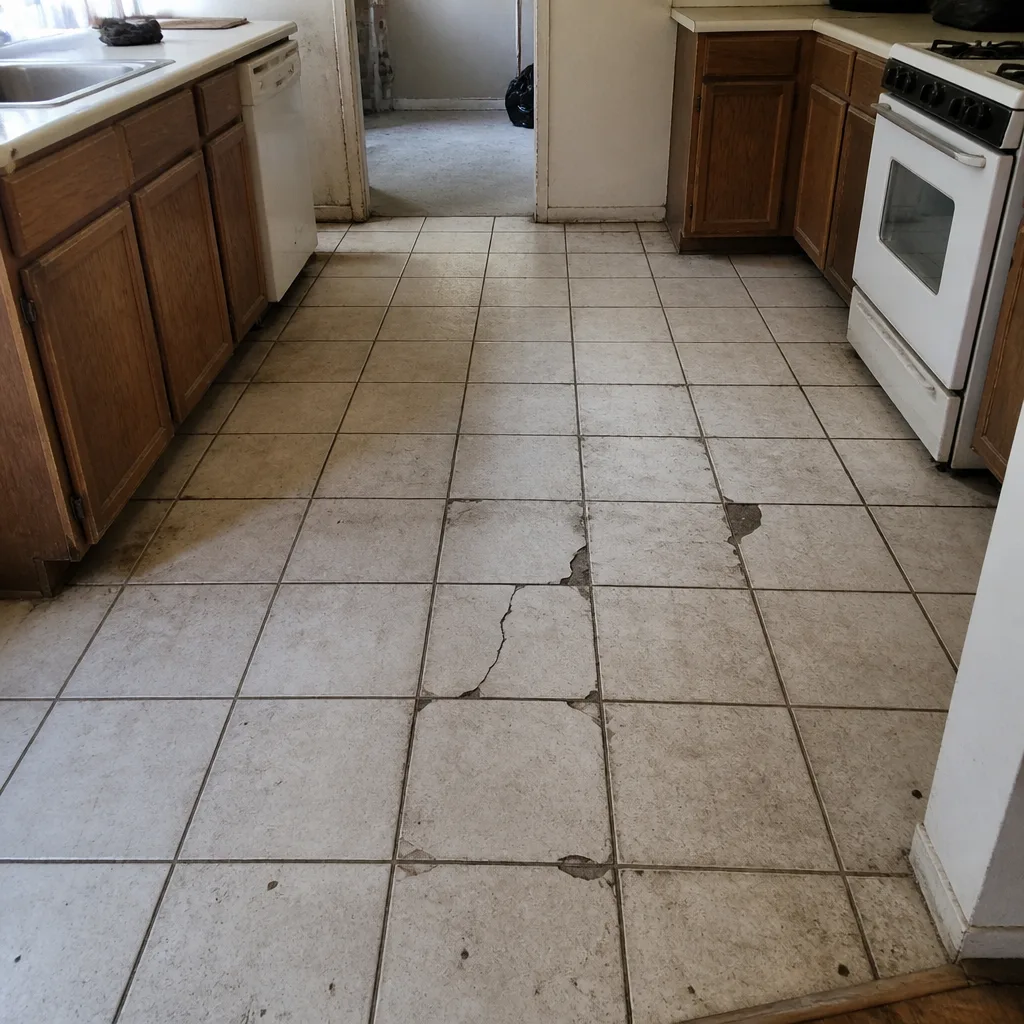 Before
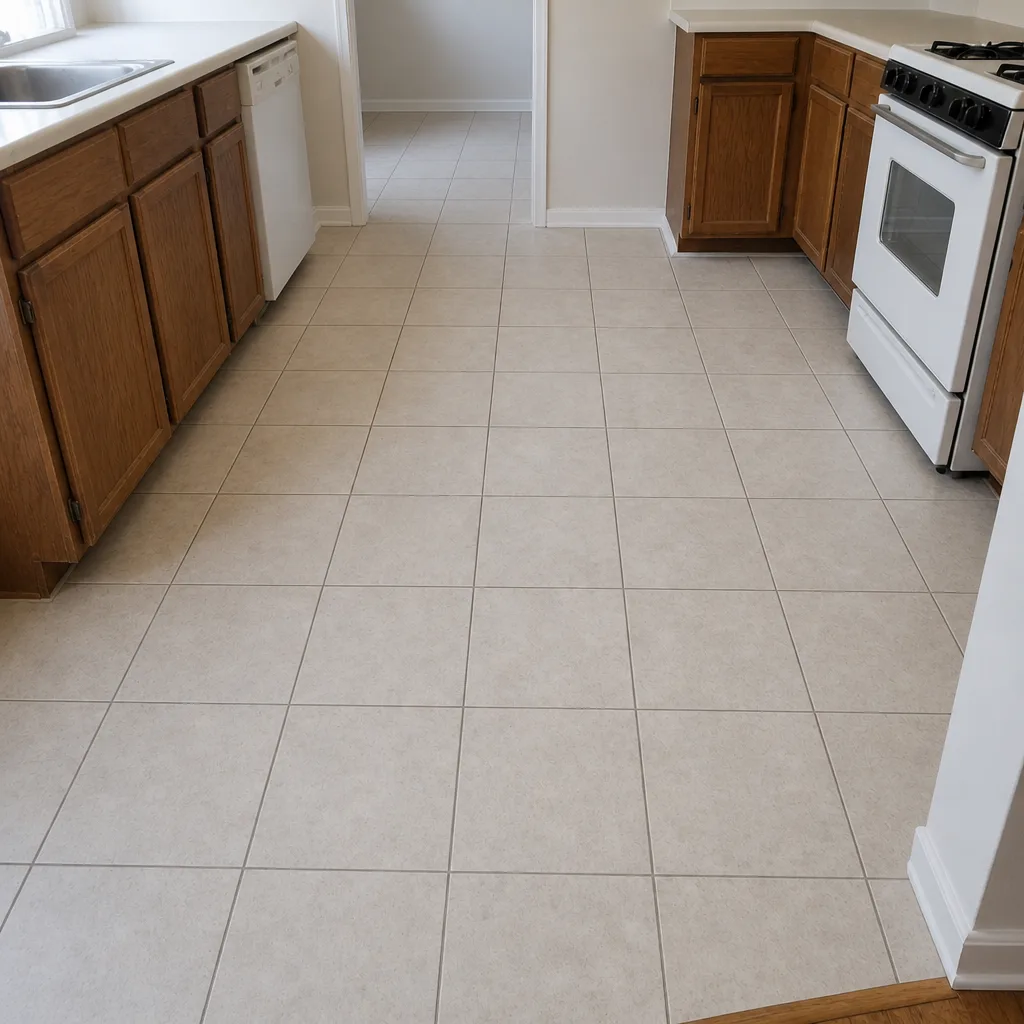 After
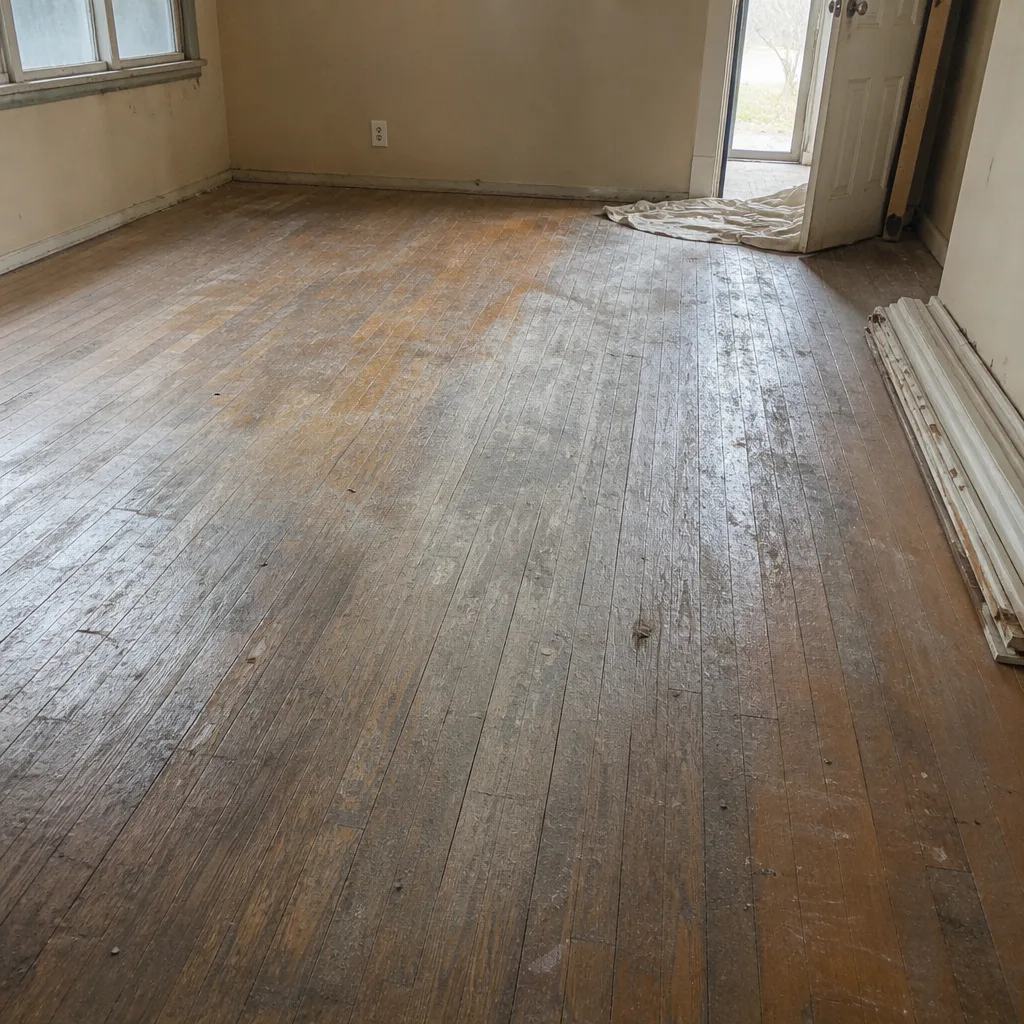 Before
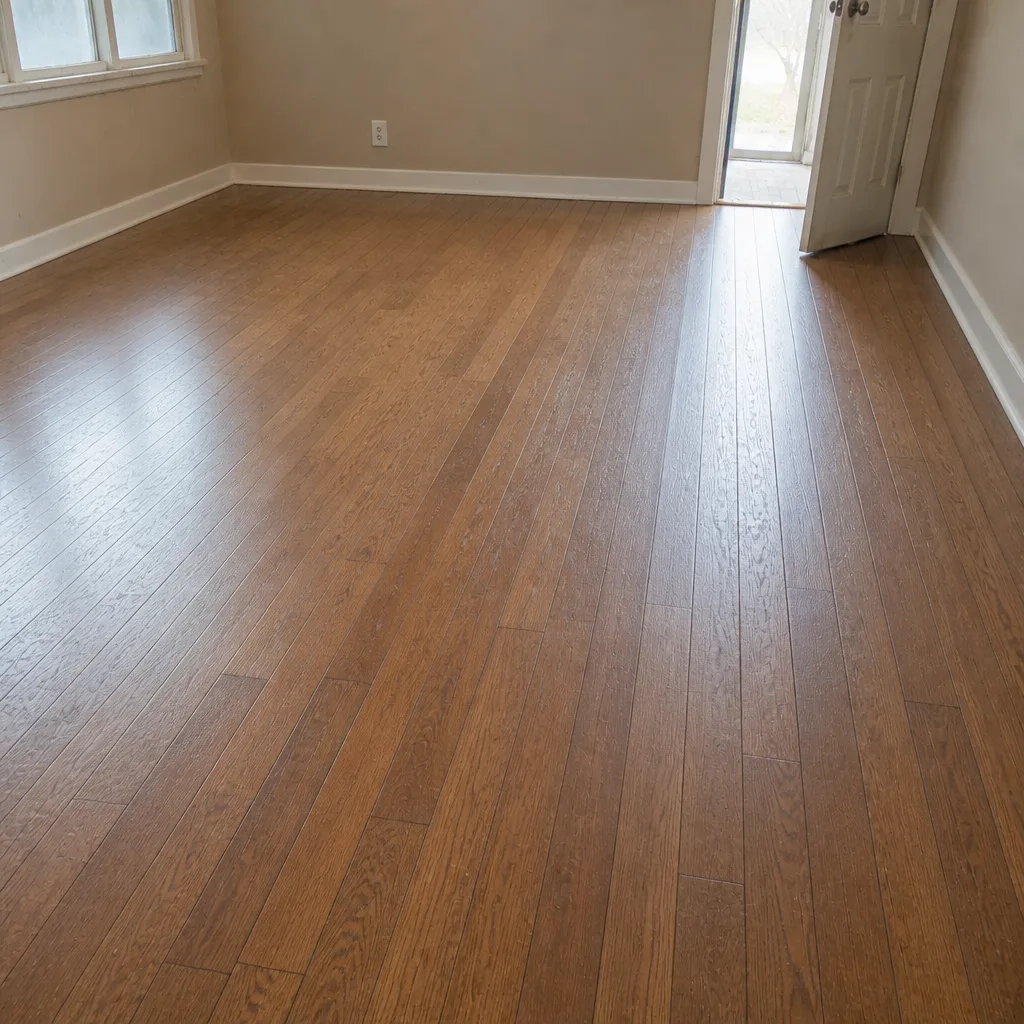 After
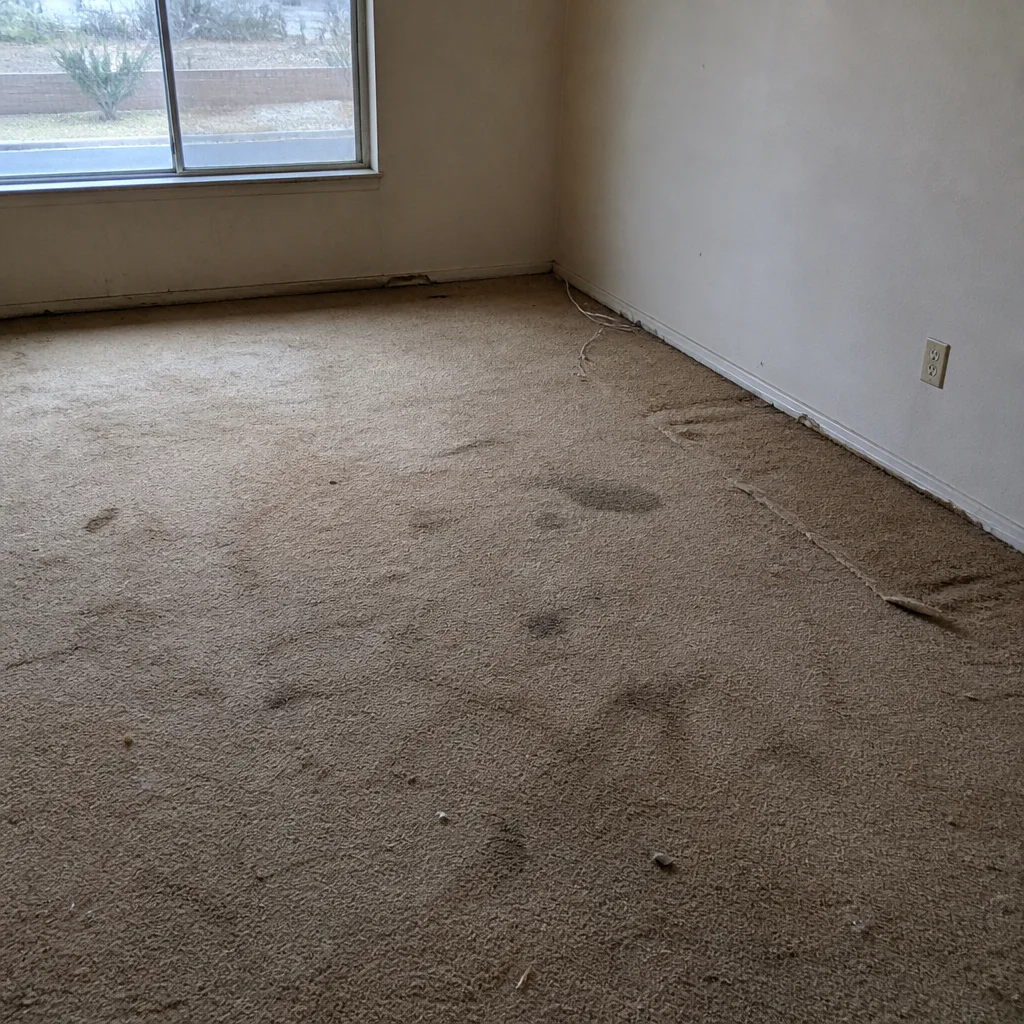 Before
 After
When to Call a Professional
Some flooring decisions are safe to handle on your own. Others aren’t. Call a licensed flooring contractor in Sunrise Manor when the job involves removing and replacing a floor in a whole room or more, when tile is cracking or loosening from the slab, when a plank floor is cupping, gapping, or lifting at the seams, when a carpet seam is visibly separating, or when you’re evaluating hardwood that may or may not be refinishable. Those are cases where the testing, prep, and product knowledge matter more than the square footage. Also call if you’re being quoted a lump sum without a site visit – the estimate conversation is where the risk gets caught. Flooring Sunrise Manor offers free estimates in Sunrise Manor – call (888) 403-9063 to schedule your estimate. Our technicians have up to 14 years of experience, and we work with a portfolio of brands that includes Shaw, Daltile, and Armstrong, so the product recommendation comes from the room, not from what’s on the shelf.
Frequently Asked Questions
Use the Nevada State Contractors Board’s online license lookup. Search by license number and by the contractor’s business name, and confirm the status is active, the classification includes C-16, and the licensed name matches the name on your quote. If the contractor can’t provide the license number upfront, walk away. Call (888) 403-9063 to schedule a free estimate with a licensed professional.
Nevada classifies flooring contracting under the C-16 license, and contractors performing that scope of work are expected to hold it. The handyman exemption exists for small jobs under a low dollar threshold, but it isn’t a substitute for a C-16 license on a full room or whole-house floor replacement. If a quote is for anything beyond a minor patch, ask directly which classification they’re working under. Call (888) 403-9063 for a free estimate.
Because the savings usually come from skipped steps, not efficiency. In Sunrise Manor, that typically means no slab moisture testing, no crack treatment, or no proper prep plan. Those are invisible on install day and show up months later as cupping, popping tiles, or failed seams. The lowest bid on paper often becomes the most expensive floor over time. Call (888) 403-9063 to compare a proper written estimate against the bids you already have.
A written scope should name the exact product (brand, model, color), the subfloor prep plan, the moisture testing method, the acclimation plan, the installation method, transition strips and baseboard work, old floor removal and disposal, the workmanship warranty, the payment schedule, the change-order process, and a start window. If three or more of those are missing from your quote, ask for a revised scope before signing. Call (888) 403-9063 to see what a proper scope looks like.
Sometimes, but it depends on the thickness of the wood and the condition of the floor, checked in person at the estimate visit. A refinishing specialist will examine the floor and tell you honestly whether it can be saved. Don’t accept a yes or a no sight-unseen. Get a refinish quote and a replacement quote together so you can compare both on the same facts. Call (888) 403-9063 to schedule a free estimate.
Out-of-state crews working without a Nevada license, bait-and-switch on product grade, verbal-only change orders, and quotes given over the phone without a site visit are the four most common red flags in this market. Any one of them is worth a follow-up question. Two or three together means move on to a different contractor. Call (888) 403-9063 to schedule an in-person estimate with a licensed specialist.
The Bottom Line
Hiring a flooring contractor in Sunrise Manor comes down to three things: license verification, a written scope that names every step, and an honest conversation about moisture, subfloor, and whether your existing floor can be saved. The cheapest bid is usually the most expensive floor. The fastest hire is usually the one you’ll regret. Take a couple of evenings to compare bids line by line, ask the specialist questions out loud, and put the change-order process in writing before the crew arrives. Do that, and the flooring decision stops being a gamble. We install, refinish, and stand behind the work – carpet, tile, and hardwood, from the brands we know. Nine brands. Three services. One specialist. That’s what a focused flooring contractor in Sunrise Manor is meant to look like.
Call (888) 403-9063 for a free estimate. We answer 24/7. Fast dispatch from 7am to 7pm, Sunday through Friday.
Written by the team at Flooring Sunrise Manor.