
Last updated November 17, 2026
 Hardwood
 Engineered hardwood
 Luxury vinyl plank
 Laminate
 Porcelain tile
 Carpet
 Shaw
 Mohawk
 COREtec
 Pergo
Free in-home measure and written estimate: Shaw, Mohawk, COREtec and Pergo lines compared on your own rooms, with carpet, tile, vinyl plank, laminate and hardwood laid out side by side
Get your free estimateFlooring Installation Questions to Ask Before You Sign
Most homeowners spend their research hours on the product. They compare COREtec to LifeProof, they weigh Pergo against Mannington, they bring home samples until the family agrees. Then the contract lands on the table and the questions stop. That’s backwards. The product is the part you can change. The commitments in the paperwork are the part that follows you for years after the installers leave. The single question that matters most is also the one almost nobody asks: who specifically is doing the installation, and does the company stand behind that crew? This guide walks through the questions that expose risk before you sign, written from our vantage point as a flooring specialist here in Sunrise Manor.
Quick Answer
Before you sign a flooring contract, get written answers to five things: who performs the installation (the company’s own crew or a subcontractor), how subfloor problems get priced mid-project, whether the install method keeps the manufacturer warranty intact, what the company’s own warranty covers versus the manufacturer’s, and what happens if materials are backordered after demolition. A contractor who answers those five in writing, clearly and without flinching, is one you can work with. One who gets vague is telling you something too.
Styles & brands we work with
- Hardwood
- Engineered hardwood
- Luxury vinyl plank
- Laminate
- Porcelain tile
- Carpet
- Shaw
- Mohawk
- COREtec
- Pergo
Table of Contents
- Who actually performs the installation?
- How are subfloor discoveries handled once work begins?
- Does the installation method preserve the manufacturer warranty?
- What does the company warranty cover versus the manufacturer?
- What happens if materials are backordered after demo?
- How is the timeline and staging handled?
- What should you ask about Sunrise Manor’s climate and subfloors?
- What belongs in the written estimate?
- Common mistakes to avoid
- When to call a professional
Who Actually Performs the Installation?
This is the question, and it’s the one most contracts never address directly. “We install it” can mean a trained crew on the company payroll or a third-party crew the company has never met and doesn’t supervise. Both are legal. Both install floors in Sunrise Manor. But the risk you carry is not the same, and neither is who answers when something goes wrong two years later.
Ask the question plainly: is the installation performed by your direct employees or by a subcontracted crew? Then ask the follow-up that separates a real answer from a rehearsed one: if it’s a subcontractor, who is liable for a defect, and how do I reach them? A specialist who does the work themselves can point to the installers, describe their training, and take responsibility for the result. A company that farms it out frequently can’t promise the same continuity.
The warranty question hides inside this one. If the crew is subcontracted and the install fails, you can end up in a triangle between the manufacturer, the retailer, and the installer, all pointing at each other. Ask in writing: “If the floor fails because of installation, who pays to fix it?” Get a name on the contract, not a shrug at the counter.
For our part, we handle carpet installation and tile with hands-on crews and treat installation craft as the core of what we do. Our technicians have up to 14 years of experience, and around here, desert homes throw enough subfloor surprises that experience isn’t a nice-to-have. Sunrise Manor sits on ground that moves with our dry, hot seasons, and a crew that has installed in these conditions knows what to look for before the first plank goes down.
Questions to ask in this section
- “Who is performing the installation: your employees or a subcontractor?”
- “If it’s a subcontractor, who is liable for an installation defect?”
- “Can you put that liability in the contract, in writing?”
- “Has this crew installed this specific product before?”
- “How many people will be in my home, and who supervises them?”
How Are Subfloor Discoveries Handled Once Work Begins?
Every flooring project has a moment where the old floor comes up and the subfloor underneath is not what anyone hoped. A soft spot. A high ridge. Moisture in a slab. Concrete that’s out of flat. This happens in Sunrise Manor just as it does anywhere, and the way your contractor handles it separates a professional from a salesperson.
The question to ask before you sign: “If you discover a subfloor problem after work starts, how do you price it?” The answer you want is a written change order process. That means the contractor stops, shows you the problem, explains the fix, gives you a written price, and waits for your approval before continuing. The answer you don’t want is a verbal “we’ll deal with it” that turns into a number on the final invoice with no warning.
There’s also a scope question. Ask whether subfloor prep is already included in the written estimate or whether it’s a line item that can grow. A contractor who walks the floor, checks for hollow spots and unevenness at the estimate visit, and quotes prep openly is giving you the real number upfront. One who quotes the lowest possible figure and plans to make it up later is not.
Write this into the contract if it isn’t there already: “Any additional work discovered after installation begins requires a written change order approved by the homeowner before the work proceeds.” It sounds stiff. It protects both sides. We’ve seen enough desert subfloors to know the question isn’t whether surprises happen, it’s whether the contract anticipates them, and we bring that question to every estimate in Sunrise Manor before a single price goes on paper.
Does the Installation Method Preserve the Manufacturer Warranty?
Here’s a fact that surprises a lot of homeowners: the manufacturer warranty on many flooring products is conditional on correct installation. Install over a wet slab, skip the underlayment the product requires, or lay planks without the expansion gap the instructions call for, and the manufacturer can decline the claim even if the material itself was fine. You paid for the warranty. You want the installation that keeps it.
The question to ask is direct: “Will the installation method you’re using keep the product warranty valid, and can you confirm that in writing?” A good contractor can tell you what the product’s installation instructions require and confirm the crew follows them. They’ll also tell you which brands they install most often and can speak to what those products call for in our conditions.
This matters for the brands we work with because the requirements differ by product. A tile flooring installation using Daltile brings its own requirements: the setting method, the substrate prep, the movement joints. A Mannington luxury vinyl or an Armstrong multi-surface product has its own instructions. Ask your contractor to name the specific installation method for your product and put it in the contract. Vague “we follow the manufacturer’s specs” is not a written answer.
What to ask in writing
- “What installation method will you use for this product, and why?”
- “Does that method satisfy the manufacturer’s installation requirements?”
- “What prep work does the product require underneath, and is it in the estimate?”
- “If the manufacturer denies a claim because of installation, what’s your responsibility?”
- “Can you give me the installation instructions this job follows in writing?”
What Does the Company Warranty Cover Versus the Manufacturer’s?
There are two warranties in a flooring job, and homeowners routinely confuse them. The manufacturer warrants the material: defects in the product itself. The contractor warrants the work: how well it was installed. The gap between those two documents is where disputes live, so read both before you sign.
Ask the contractor to spell out, plainly: what does your workmanship warranty cover, how long does it last, and what voids it? Then ask how it overlaps with the manufacturer’s warranty. A typical scenario: the product fails and the manufacturer says the cause is installation, while the contractor says the cause is the product. If neither document anticipated that overlap, you’re stuck in the middle.
Get clarity on these points:
- The workmanship warranty: what’s covered (lifting, gaps, hollow tile, seams), for how long, and whether it transfers if you sell the home.
- The exclusions: what voids the workmanship warranty, like moisture damage from a leak, furniture drags, or homeowner modifications.
- The manufacturer requirements: what the product warranty demands of the installer, and confirmation in writing the crew met it.
- The remedy: if something fails, does the warranty cover repair only or replacement too?
Ask for both documents before the install begins. A contractor who can produce them at the estimate table, with the terms explained in plain English, is not hiding anything. One who says “don’t worry about that” is telling you the documents won’t help when you need them. As a specialist we can explain our workmanship warranty and help you read the manufacturer’s side, and we mark the overlap clearly on the paperwork so there’s no guessing later.
What Happens if Materials Are Backordered After Demo Starts?
Flooring materials get backordered. It’s a fact of the supply chain, and it has been since the disruptions of 2020. The question that separates a careful contractor from a careless one is what happens when a backorder overlaps with a demolition that has already started.
Ask before you sign: “If my materials are delayed after you remove the old floor, what’s the plan?” The honest answers go something like this: the contractor orders and confirms all materials have arrived before scheduling the demo, or the contractor stages the project so demo and material delivery can’t get out of sync. The bad answer is “we’ll figure it out.” A home with a torn-up floor and no replacement material is a problem you shouldn’t have to solve.
The staging conversation also covers a few practical questions. Where do materials get stored when they arrive? Does the product need to adjust to the home’s conditions before installation, and how is that handled? Who checks the delivered quantity against the estimate so you don’t run short mid-room? These are not gotcha questions. They’re the details that keep a scheduled install on schedule.
What a good backorder plan looks like
- All materials are ordered and confirmed in hand before the install date is set.
- The delivered quantity is checked against the estimate before demo begins.
- Materials sit in the home to adjust to the indoor conditions before installation.
- If a delay happens anyway, there’s a written plan for what gets rescheduled and when.
- No partial demo happens until material is on site, verified, and ready.
This is one of the reasons we tell customers to let us handle the material order and the schedule together. When both live with one contractor, there’s no finger-pointing between the supplier and the installer. Here in Sunrise Manor, our desert heat means materials that sit outside can be affected, so getting storage and staging right protects more than just the schedule.
How Is the Timeline and Staging Handled?
Flooring installs disrupt a home. Furniture moves. Rooms are unusable. If the project involves several rooms or multiple floor types, the staging gets more complicated. Ask how the contractor plans the sequence, and get that plan in writing.
The main questions to raise: which rooms go first, and why? Where does furniture go while each room is in progress? How is the family supposed to move through the house while a floor is curing or setting? Will the crew protect adjacent floors and walls, and how? What’s the plan for the day the main room comes out of commission?
Ask about a few specifics on the installation itself. Is there a scheduled start time and a realistic completion, or an open-ended “sometime that week”? Does the crew clean up at the end of each day or leave materials in place? Is the old flooring removal and haul-away part of the estimate, or a surprise line item at the end? For a multi-room renovation, ask how the contractor coordinates the different installs so you’re not living in a construction zone longer than necessary.
We treat this as part of the service, not paperwork. If you need tile in a hallway and carpet in the bedrooms, we’ll talk through what order makes the house liveable and give you a written schedule with that order. That’s the sort of thing you can plan around, and it’s what we want in the estimate from the first conversation about a Sunrise Manor home.
What Should You Ask About Sunrise Manor’s Climate and Subfloors?
Local conditions affect floors more than most homeowners realize, and the questions change with the ground under the house. Sunrise Manor sits in the desert, and our dry heat and seasonal temperature swings mean homes here tend to have their own patterns: concrete slabs that experience movement, wood subfloors that dry and shrink between seasons, and interior humidity that’s low enough to make certain products behave differently than they would in a wetter climate.
Ask your contractor these local-aware questions:
- “What’s the subfloor under this room, and does that change the installation method?”
- “How do you check for moisture in a slab, and what do you do if there’s a problem?”
- “What flooring products hold up best in this dry, hot climate?”
- “Does this install need extra expansion gaps or a specific underlayment here?”
- “What’s been your experience installing this product in Sunrise Manor homes?”
These questions don’t have one right answer for every home, and that’s the point. The answer should be grounded in what the contractor has seen here, not a generic line from a national training manual. Ask for specifics on the home in front of you, and judge the answer by how concrete it is.
Neighborhoods and the local flooring market
A contractor who works in the area will know the housing stock. Sunrise Manor has a lot of homes where the original flooring is due for a change, and the work often looks different from what you’d plan in a newly built house. Ask how many homes like yours the contractor has done floors in, and ask whether they’ve worked in your part of the neighborhood. A team that has installed over the slabs and subfloors common in this part of the valley brings a background that a general contractor doing floors as a side job doesn’t.
If your home already has hardwood worth saving, ask whether refinishing has been considered before replacement. That’s a Flooring Sunrise Manor conversation we’re always willing to have: refinishing is a skilled-trade service that extends the life of existing hardwood, and not every flooring company does it. Before you commit to covering sound hardwood, ask whether it can be restored instead.
What Belongs in the Written Estimate?
The estimate is the other half of the contract. It sets the price, the scope, and what’s included. Ask for a written estimate that itemizes the work rather than a single number. An itemized estimate tells you exactly what you’re paying for, and it makes comparing bids possible.
A complete estimate should show:
- The materials: product name, brand, color, and quantity, priced separately from labor.
- The substrate prep: what’s being done underneath, and the cost of each step.
- Removal and disposal: removing the old floor and hauling it away.
- Installation labor: the line item that covers the work, not just the material.
- Trim and transitions: baseboards, thresholds, and any trim work.
- Tax and fees: all of it, so the number at the bottom is the number.
Ask what’s excluded. “Does this estimate include moving furniture? Does it include trim? Does it include the disposal fee?” A contractor who answers those questions readily is building trust into the price. A contractor whose estimate leaves the answer unclear is setting up a conversation at the end where you have less room to negotiate.
Our stance is that the written estimate sets the final price. If a subfloor issue comes up after the work starts, we quote it as a change order and you decide. It’s a simple rule that prevents most disputes before they happen, and it’s what we want in the estimate or in the contract on every job in Sunrise Manor.
Common Mistakes to Avoid
- Signing without knowing who installs the floor. “We install it” doesn’t tell you whether the crew is a direct employee or a subcontractor. Ask, and get the answer in writing.
- Accepting a verbal estimate for subfloor surprises. If your contract doesn’t require a written change order for discovered problems, you’re giving the contractor permission to name a number once the floor is already out.
- Assuming the manufacturer warranty covers your install. It often doesn’t. Ask whether the installation method satisfies the manufacturer’s requirements, and get confirmation.
- Not reading the workmanship warranty. The gap between the contractor’s warranty and the manufacturer’s is where disputes live. Read both before you sign.
- Scheduling before materials are on site. A backorder that lands after demo starts leaves you living in a construction zone. Ask how the schedule protects you from that.
- Comparing estimates by the bottom line only. Two numbers on the same page may cover very different scopes. Ask what’s included and excluded in each one.
- Defaulting to rip-out on sound hardwood. Hardwood that’s been cared for can often be refinished rather than replaced. Ask whether refinishing makes sense before you commit to new flooring, especially in an older Sunrise Manor home where the original wood is still in good shape.
When to Call a Professional
There’s no sensible way to DIY a floor install across a whole home. Calling a professional makes sense when the job involves removal and disposal of existing flooring, when the subfloor needs prep you can’t assess, when the product’s installation instructions have to be followed to keep the warranty valid, when you’re completing several rooms in sequence, or when the subfloor itself is questionable. In the Sunrise Manor climate, we’d add one more: when you don’t know how the desert heat and dry air will affect the product over time. Let a specialist sort that out before you decide.
Flooring Sunrise Manor offers free estimates in Sunrise Manor. We install carpet, tile, and refinish hardwood, and we answer the questions above before you sign. The estimate is free, the price is set per job by the written estimate, and the answers are in writing. Call (888) 403-9063. We answer 24/7. Fast dispatch from 7am to 7pm, Sunday through Friday.
See the difference
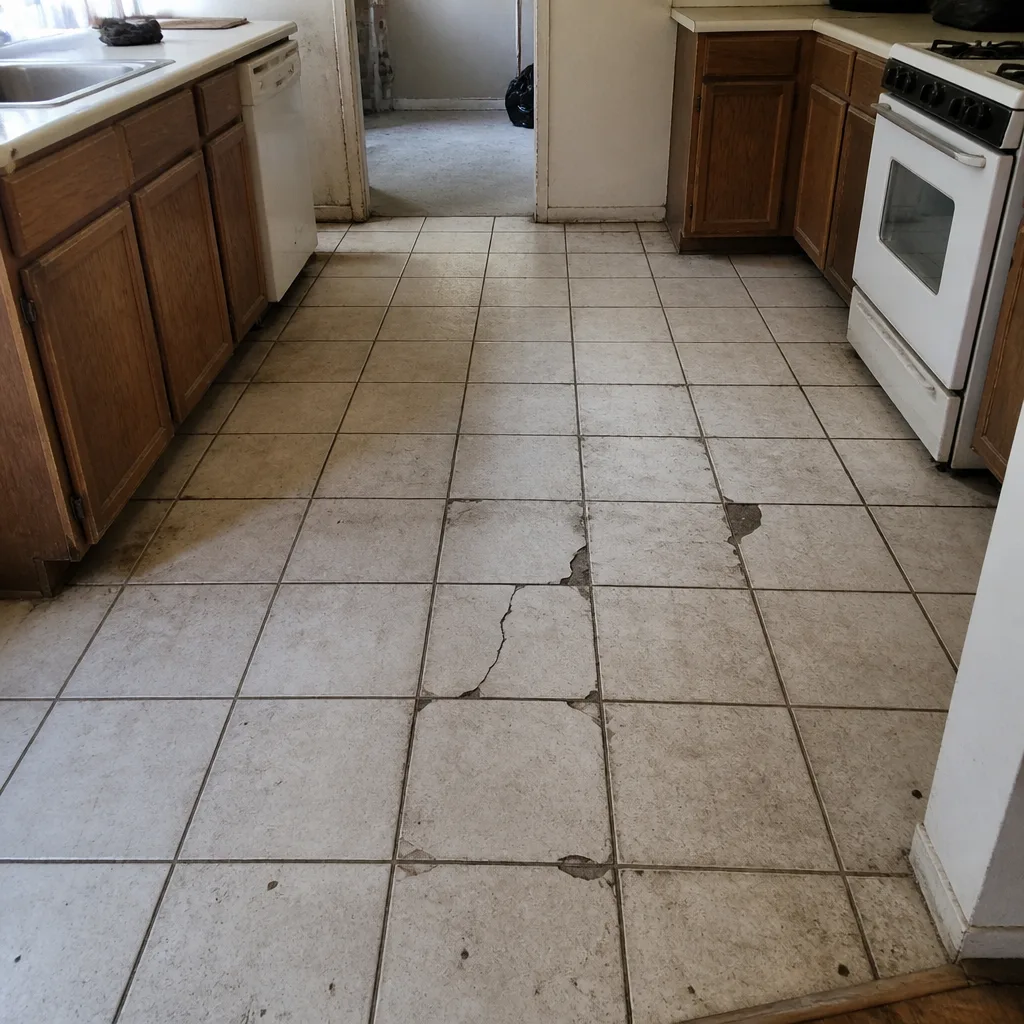 Before
 After
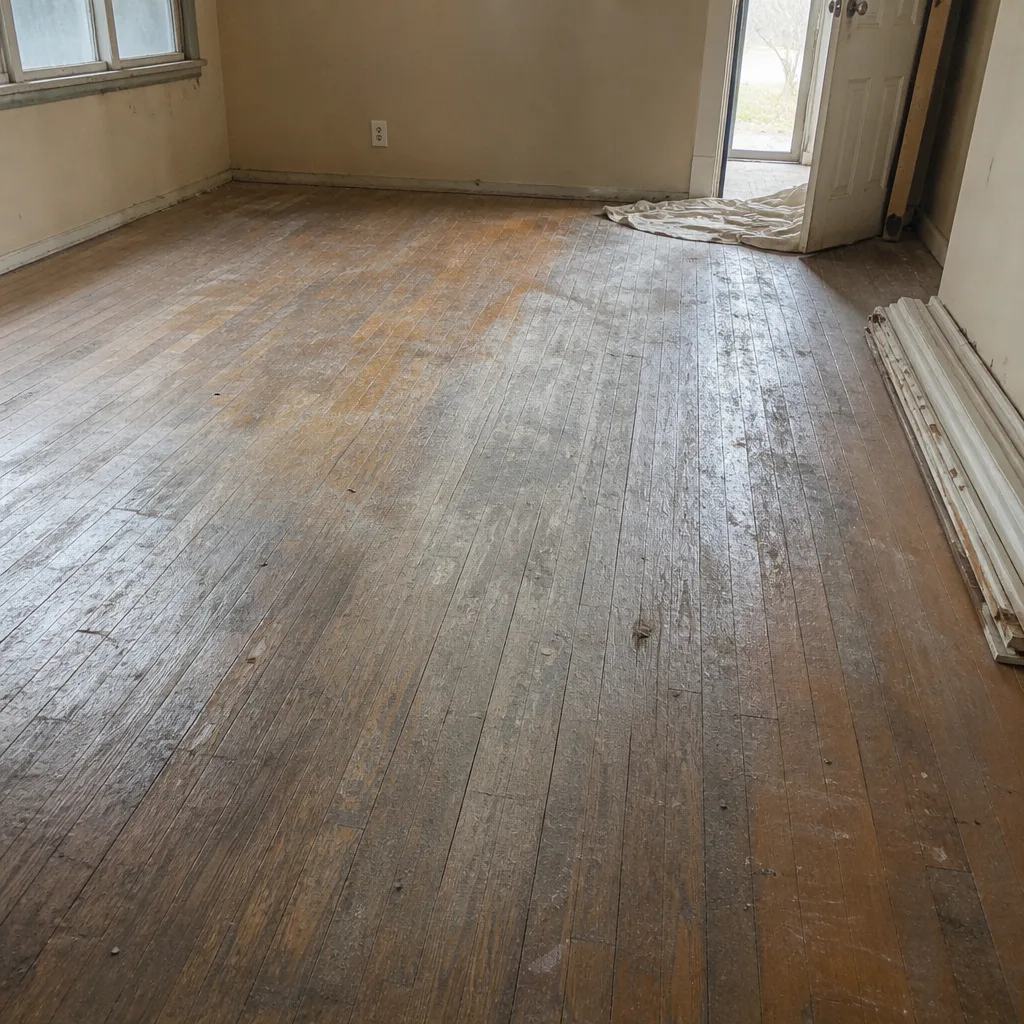 Before
 After
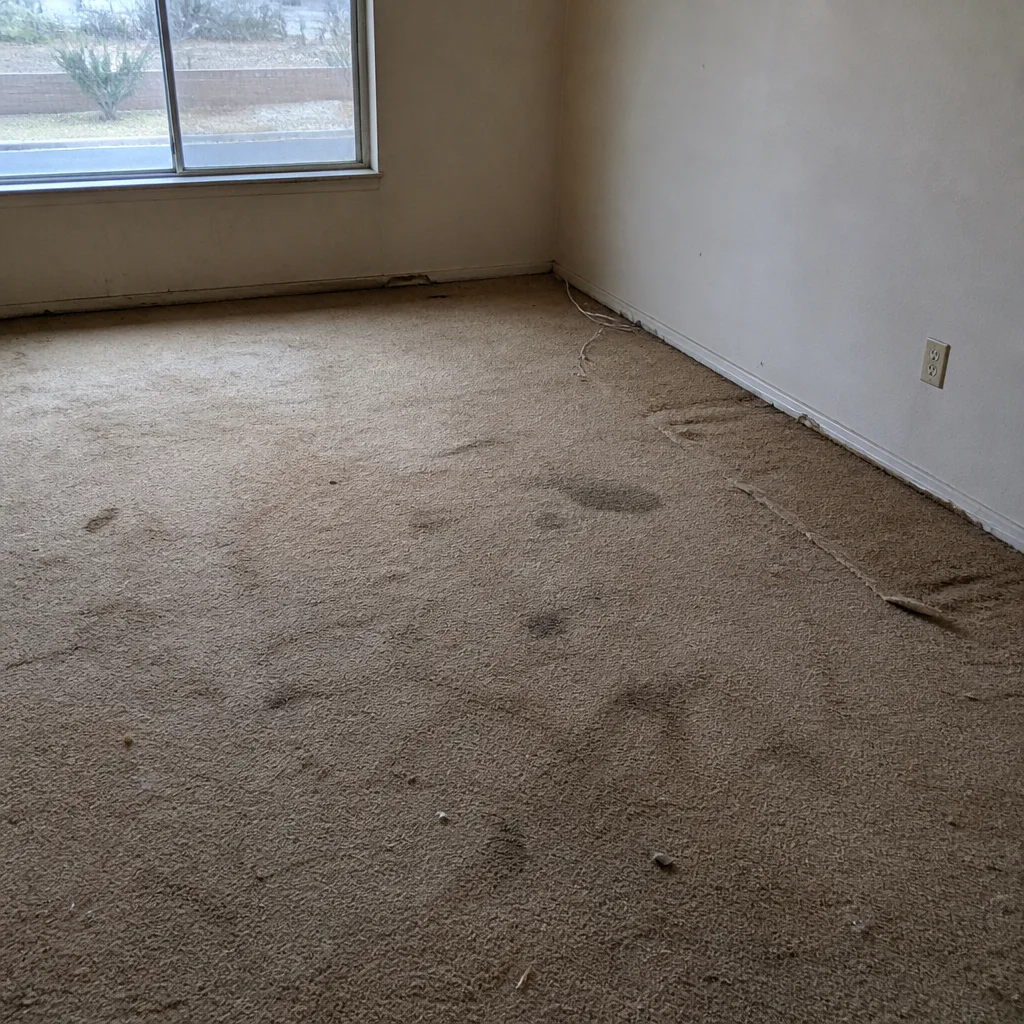 Before
 After
Frequently Asked Questions
“Who is performing the installation?” The answer tells you whether you’re working with the contractor’s own trained crew or a subcontractor, and that changes who is liable if the install fails. Ask for the answer in writing, and ask how the warranty holds up if a subcontractor does the work.
Cost depends on the material, the room size, and the prep work required underneath. A written estimate, itemized by material and labor, is the only figure that means anything. Call (888) 403-9063 to schedule a free estimate in Sunrise Manor. We’ll give you a written price for the specific job.
It can, if the install skips the prep or the method the product’s instructions require. Ask your contractor to confirm in writing that the installation method satisfies the manufacturer’s requirements, and ask what happens if a claim is declined because of installation. Our estimates name the method and mark it on the paperwork.
You don’t want to find out at that point. Ask before signing how the contractor handles a backorder that overlaps with demo. The answer you want is that materials are confirmed on site before removal begins, or the schedule protects you if there’s a delay. A contractor who can’t answer that clearly is asking you to take the risk.
Often yes, if the wood is thick enough and in sound condition. Refinishing is a restoration service, and it makes sense to ask whether it’s an option before you commit to covering hardwood with a new floor. We’ll tell you honestly at the estimate visit whether refinishing makes sense or replacement is the better call.
The manufacturer warranty covers the product itself; the contractor warranty covers the installation. Read both, and ask specifically what void the workmanship warranty and what the manufacturer requires of the installer. Ask for both documents before work begins, and ask the contractor to explain the overlap in plain language.
Yes, and a single-source contractor makes it easier. If you need carpet and tile in the same renovation, one contractor coordinating the staging keeps the schedule in one pair of hands. If you also have hardwood to refinish, ask whether both can be handled under the same agreement. Call (888) 403-9063 to talk through the scope.
The Bottom Line
The product is the part you can compare on your own time. The contract is the part that holds up under pressure, and it deserves the same careful attention. Ask who installs the floor, how subfloor surprises get priced, whether the installer keeps the manufacturer warranty valid, what the two warranties cover, and what happens if materials are delayed after demo. Get those answers in writing. A contractor who answers them clearly before you sign is the one you want doing the work, and it’s how we approach every estimate we give here in Sunrise Manor.
Call (888) 403-9063 to schedule your free estimate. We answer 24/7. Fast dispatch from 7am to 7pm, Sunday through Friday.
Written by the team at Flooring Sunrise Manor.