
Last updated November 17, 2026
 Hardwood
 Engineered hardwood
 Luxury vinyl plank
 Laminate
 Porcelain tile
 Carpet
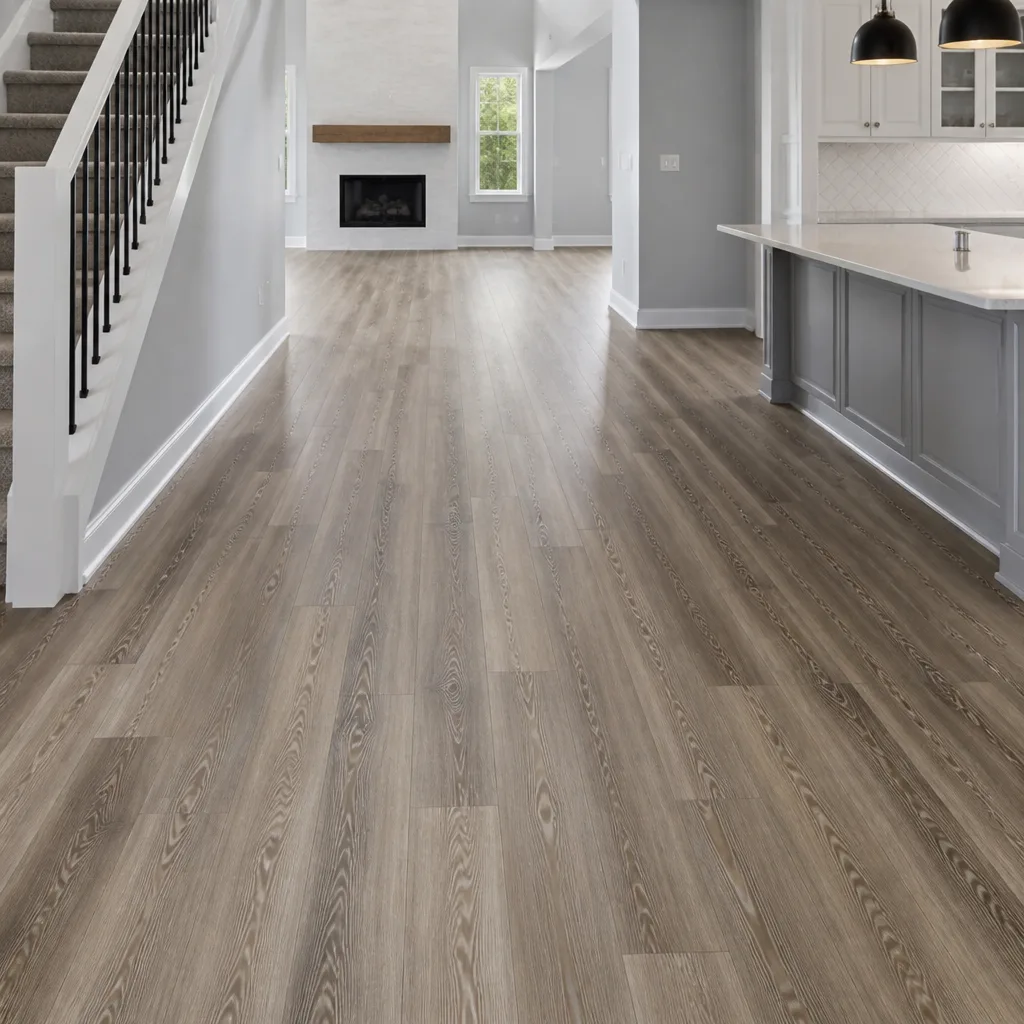 Shaw
 Mohawk
 COREtec
 Pergo
Free in-home measure and written estimate: Shaw, Mohawk, COREtec and Pergo lines compared on your own rooms, with carpet, tile, vinyl plank, laminate and hardwood laid out side by side
Get your free estimateWhat Happens at a Free In-Home Flooring Estimate in Sunrise Manor
Most homeowners treat a flooring estimate as a price-collection errand. Someone walks through, taps a wall, writes a number, and leaves. That version of an estimate is a guess with a dollar sign on it. A real estimate is a diagnostic visit, and it happens in a specific order: measure the rooms, inspect the subfloor, check for moisture, look hard at whatever floor is already there. Only then does product talk make sense. In Sunrise Manor, where slab foundations and a dry desert climate shape almost every install, skipping those steps is how people end up surprised six months later. This guide walks through exactly what a thorough estimate looks like, what to have ready, and how to read the quote you get.
Quick Answer
A free in-home flooring estimate in Sunrise Manor is a diagnostic visit followed by a written quote. The estimator measures each room, checks the subfloor and moisture conditions, assesses the existing floor, asks how you live, and only then walks through product options. You leave with a written price, a clear scope, and a basis for comparing contractors fairly.
Styles & brands we work with
- Hardwood
- Engineered hardwood
- Luxury vinyl plank
- Laminate
- Porcelain tile
- Carpet
- Shaw
- Mohawk
- COREtec
- Pergo
Table of Contents
- What a legitimate estimate covers, step by step
- The questions a knowledgeable estimator asks
- Why the subfloor and moisture check matter in Sunrise Manor
- What to have ready before the estimator arrives
- How to read the quote you receive
- How to compare two quotes that look different
- Using the visit to ask product-specific questions
- When refinishing beats replacing hardwood
- Common mistakes to avoid
- When to call a professional
- Frequently asked questions
What a legitimate estimate covers, step by step
The order of the visit matters more than the length of it. A good estimator does not open a sample book until the room has been measured, the floor has been studied, and halfway through, the subfloor has been checked. Here is the sequence we follow at Flooring Sunrise Manor, and the sequence you should expect from anyone else.
- Room measurement. Not just square footage. Doorway widths, wall lengths, closets, hallway cut-ins, and the transition points between rooms get measured. These details determine how much material you actually need and how the installer will plan the layout.
- Existing floor assessment. The age and condition of what is down there now, whether it can be removed cleanly, and whether the new floor will go over it or replace it.
- Subfloor inspection. Flatness, cracks, delamination, prior patches, and any sign of deflection. On a slab, this is where a lot of surprises hide.
- Moisture check. Concrete slabs and wood subfloors both move moisture, and the check is specific to the floor type going down.
- Site conditions and access. How material gets to the room, how much furniture moves, and how long the install area will be out of use.
- Product discussion. Only after the first five steps. This is when we talk carpet, tile, or refinishing, and when brand options like Shaw, Mohawk, or COREtec actually mean something.
- Written estimate. The visit ends with a written price and scope, not a verbal guess.
If a contractor reverses that order and leads with a sample book, the price is a guess. Ask them to back up and look at the subfloor.
The questions a knowledgeable estimator asks
A salesperson asks what color you like. An estimator asks how you live. Those are different conversations, and the second one produces a floor that still works two winters down the road.
What gets asked in a thorough visit
- How does the house get heated and cooled? HVAC habits affect humidity swings inside the home. A room that runs dry all summer and cool in the evening behaves differently from one that stays in a steady range, and that influences which floor categories make sense in which rooms.
- Do you have pets? Claws, accidents, and water bowls all matter. It changes the recommendation between carpet in a bedroom and water-resistant vinyl in a laundry room.
- What furniture sits on this floor? A piano, an oversized sectional, or heavy shelving moves differently across a floor than a bed and a nightstand. Furniture weight can affect which carpet pad and which underlayment are quoted.
- Has this room ever had a moisture incident? A past leak, a slab that steamed through a mat, or a spot where the carpet stayed damp after a spill. These histories change the plan.
- What happened to the floor that’s there now? If something failed, it’s fair to ask why. That answer often explains what to avoid this time.
- Who does the moving? Furniture has to be out of the way before installation, and the estimator should be clear about what stays and what goes.
- What’s the timeline? A single room is a different job than three rooms and a hallway.
How the estimator answers your own questions in return tells you a lot. Someone who has done the work can explain the difference between a laminate and a luxury vinyl plank in plain language without deferring to a brochure. If they can’t, ask why.
Why the subfloor and moisture check matter in Sunrise Manor
Sunrise Manor is desert country. That sounds like good news for flooring, and in some ways it is. But dry air and slab foundations create specific conditions a floor has to survive, and the subfloor check is where those conditions get found.
What the estimator is looking for
- Slab condition. Cracks, prior patches, and unevenness affect how a floor will sit over the concrete. Flat and sound are the two things that matter, and neither can be judged by eye alone.
- Moisture movement through the slab. Concrete lets a small amount of moisture pass through. In a dry climate this can seem like a non-issue, but a subfloor check and product-specific precautions matter for any floor that’s sensitive to moisture coming from below.
- Seasonal humidity swings. Desert homes run very dry in summer and less dry in the cooler months. Floors respond to that, and the estimator should ask what your indoor conditions look like.
- Transitions and door heights. If the new floor is thicker than the old one, door clearance and thresholds come up. This is where a careful measure prevents a headache.
- Subfloor movement. If the floor feels bouncy or uneven underfoot, the estimator should flag it before any material is discussed.
The specific requirements for any given product depend on the product and the home, and those come from the manufacturer’s instructions and the written estimate, not from a general guide. If someone quotes you a flatness number or a moisture reading on the spot without taking a measurement, that’s a warning sign. Ask them to walk you through how they’ll verify it.
What to have ready before the estimator arrives
A little preparation makes the visit sharper and the quote more accurate. None of it is heavy lifting.
- Clear a path. You don’t have to move the furniture, but clear access to the room or rooms getting quoted. The estimator needs to see the floor, not the sofa on top of it.
- Have the square footage handy if you know it. Your own measure won’t replace the professional one, but it’s a good cross-check.
- Write down questions as they come to you. They are easy to forget mid-visit.
- Note any past flooring problems. Water near a wall, a corner that always feels cold, a squeak under a hallway. Whatever you’ve noticed, mention it.
- Have photos of the room from a few angles. Useful for a contractor looking at multiple rooms or doing a follow-up.
- Decide which rooms are in scope. A carpet bedroom only is a different conversation from a whole-home package.
- Know your budget range privately. Not to negotiate, but so the estimator can help you weigh options honestly.
If you already have samples at home from another showroom, set them out. Comparing a sample against the actual light in the room is one of the most useful things you can do, and the visit is the best time to do it.
How to read the quote you receive
A quote that reads like a single number with a total on the bottom is hard to evaluate. Here’s what a well-structured written estimate should contain.
- Itemized material. The product and quantity. This is where brand and category actually show up, so it should be specific, not just “carpet.”
- Installation labor. Broken out as its own line, not buried in a total.
- Underlayment, pad, or adhesive. Named as a line item, with the product specified.
- Removal and disposal of the old floor, if that’s part of the job.
- Subfloor prep, if needed. If the estimator flagged unevenness or a repair, it should be listed.
- Transitions and trim. Thresholds, shoe molding, and baseboards sometimes appear as a separate cost.
- Furniture moving, if the install includes it.
- A stated scope covering which rooms and what’s included.
- The written estimate itself setting the final price, so verbal numbers don’t become the plan.
The absence of a line item tells you almost as much as its presence. If removals aren’t mentioned, ask whether they’re included. If subfloor prep doesn’t appear anywhere, ask what happens if the subfloor needs work after the old floor comes up. The estimate is free, so use the walk-through time to surface every assumption before you commit.
How to compare two quotes that look different
Two quotes for the same room can look similar at the bottom and be wildly different in what they include. Comparing line item totals to line item totals is how you find out which is which.
- Match material to material. One quote might be carpet and another might be vinyl. Even when the categories match, brand and name matter. Compare the specific product, not “the same carpet.”
- Compare underlayment and pad side by side. A skipped or downgraded pad changes the cost, and the feel, more than most homeowners expect.
- Check what removals and disposal actually cover. Hauling isn’t free, and if one quote ignores it, the number isn’t the real number.
- Look for prep and repair. One quote may plan for subfloor work, another may be quoting the best case.
- Ask about transitions. Doors, hallways, and thresholds are where the “small” additions live.
- Read the scope sentence. Which rooms? Which floor type? Include a stated scope or ask for one in writing.
- When something is missing from both, ask. Sometimes the answer is “not needed,” and that’s a useful answer.
Beware of any quote that’s a single all-in number with no parts. It makes the price impossible to compare and the effort impossible to check. A written estimate with real line items is a more honest document, and it protects you when the job is underway.
Using the visit to ask product-specific questions
The estimate visit is your best chance to ask the questions that actually matter, because you’ll get answers in person and in context. A few examples, tailored to the three categories we install.
Carpet
Ask how the carpet is constructed and what it feels like underfoot in a bedroom versus a hallway. Ask about the pad, because pad quality affects how a carpet wears and how it responds to foot traffic. We supply Shaw and Mohawk carpet, and the estimator can explain the difference between the two in plain terms, without pushing one over the other.
Tile
Ask about the substrate and how the tile will be planned across the room. Ask about grout joint size and layout. tile flooring installation lives or dies on the prep, so ask specifically how the subfloor will be prepared before setting. Daltile is the professional-grade brand in our portfolio, and the estimator can walk through the options in person.
Luxury vinyl and laminate
Ask about water resistance where it applies, and listen carefully. Water-resistant is a real property; water-resistant is not the same as waterproof, and moisture from below and standing water still need to be handled regardless of the product. COREtec and Pergo sit in our portfolio, and the estimator can explain which makes sense for a given room.
A few concrete questions to have ready: How does this product handle the dry summers here? What’s the difference between these two options in a bedroom? What happens to the floor if the room gets a lot of sun? How does this floor handle spills? A good estimator answers without reaching for a sales sheet.
When refinishing beats replacing hardwood
If you have existing hardwood, the estimate visit is where you find out whether it can be saved. That’s not a question a salesperson will raise, because replacement is a bigger sale than restoration. But hardwood floor refinishing extends the life of a floor you already have, and we ask the question honestly at the estimate.
Not every floor qualifies. Refinishing depends on the thickness of the wood and its condition, and both get checked at the visit. A floor that’s been sanded down too many times, or that has structural damage, may be past the point where refinishing makes sense. A floor that’s solid but worn can usually be brought back.
A stain can be matched to a sample, but no one can promise a perfect match before the sanding is done. If you have a sample you love, bring it. If you’re working from a photo on your phone, bring that too. Refinishing is a skilled-trade service most flooring retailers don’t perform, and asking the question during the estimate is how a homeowner discovers the option exists at all.
Common Mistakes to Avoid
- Leading with color instead of conditions. Picking a swatch before anyone has checked the subfloor reverses the process. A beautiful floor over an uneven slab is a short-lived floor.
- Skipping the moisture conversation because it’s dry here. Sunrise Manor is desert, which makes dry air the default assumption. Moisture from below is still a real thing, and the product-specific precautions belong in the estimate.
- Treating the quote as a single number. A one-line quote can’t be compared and can’t be checked. Ask for line items, or walk away.
- Not asking about removals or subfloor prep. These are the two biggest sources of surprise cost after work starts. Ask before you sign.
- Ignoring the existing hardwood. If the floor can be refinished, replacing it may be an unnecessary expense. Ask during the visit, not after the old floor is in a dumpster.
- Assuming the squares you measured match what gets ordered. Rooms have waste, cuts, and layout considerations. The professional measure is the one that matters.
- Not asking how the estimator will prep the room. Furniture moving and access are part of the job, and they belong in the written estimate.
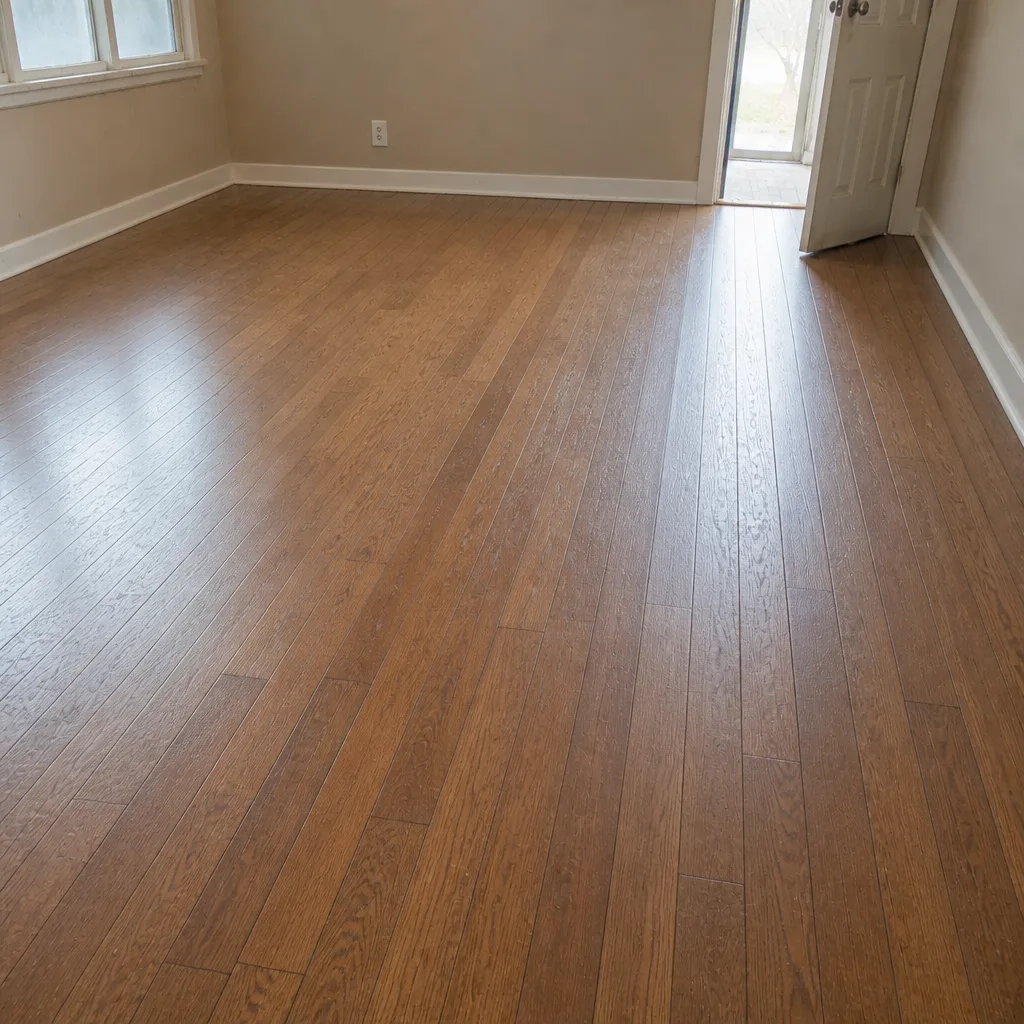
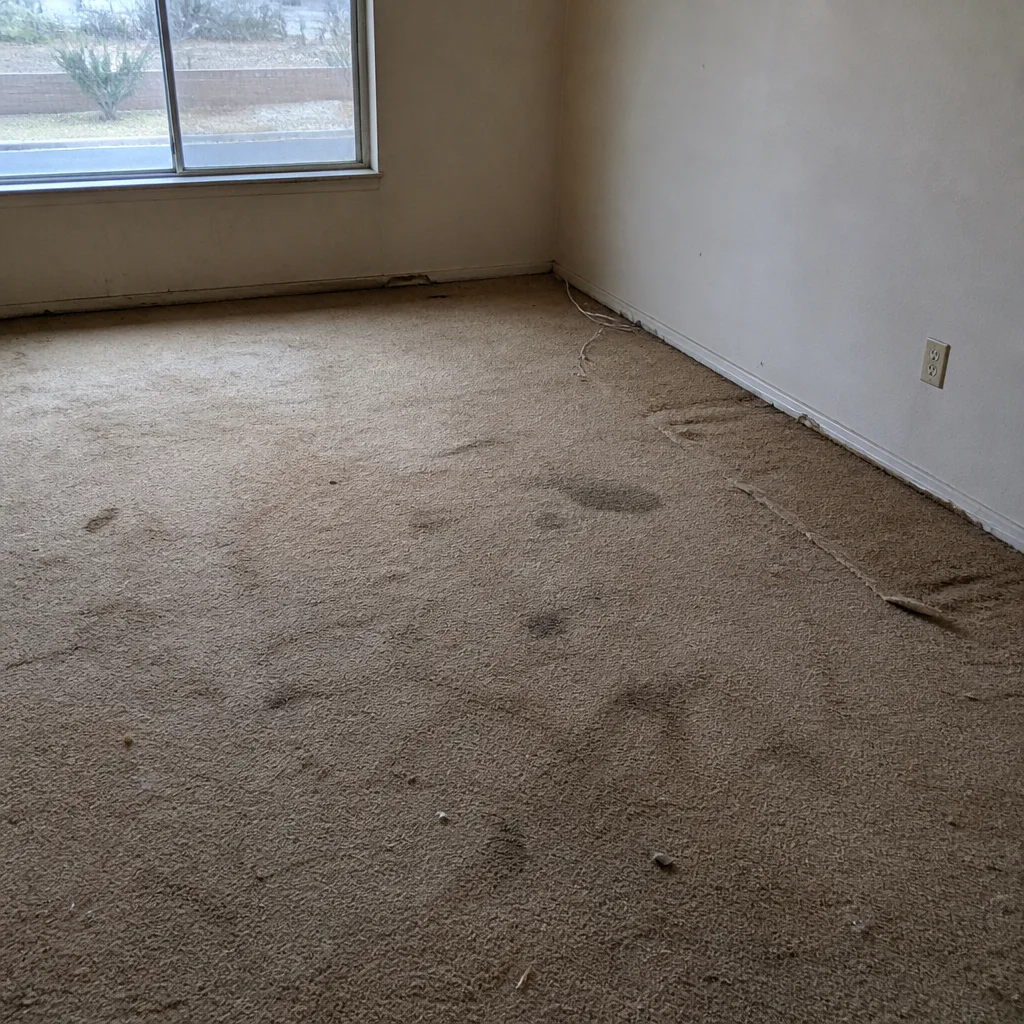
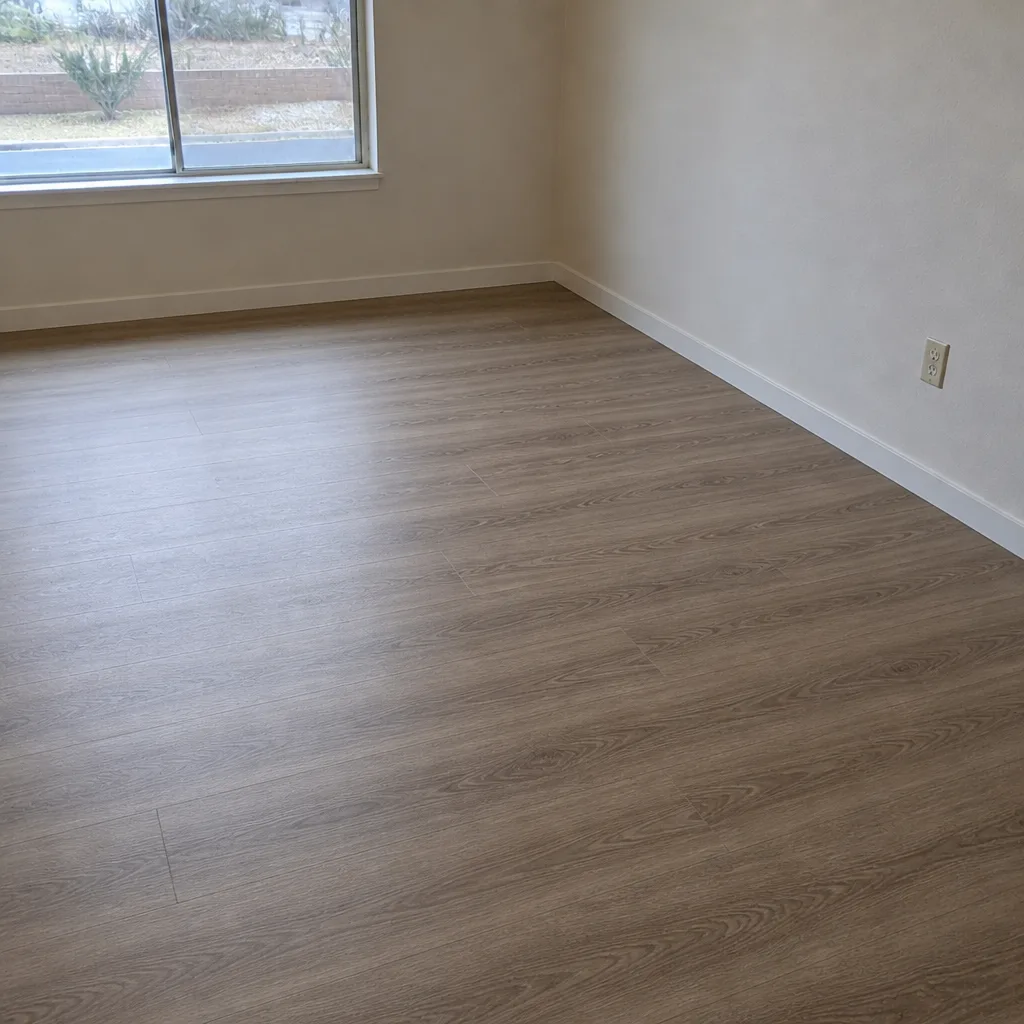
See the difference
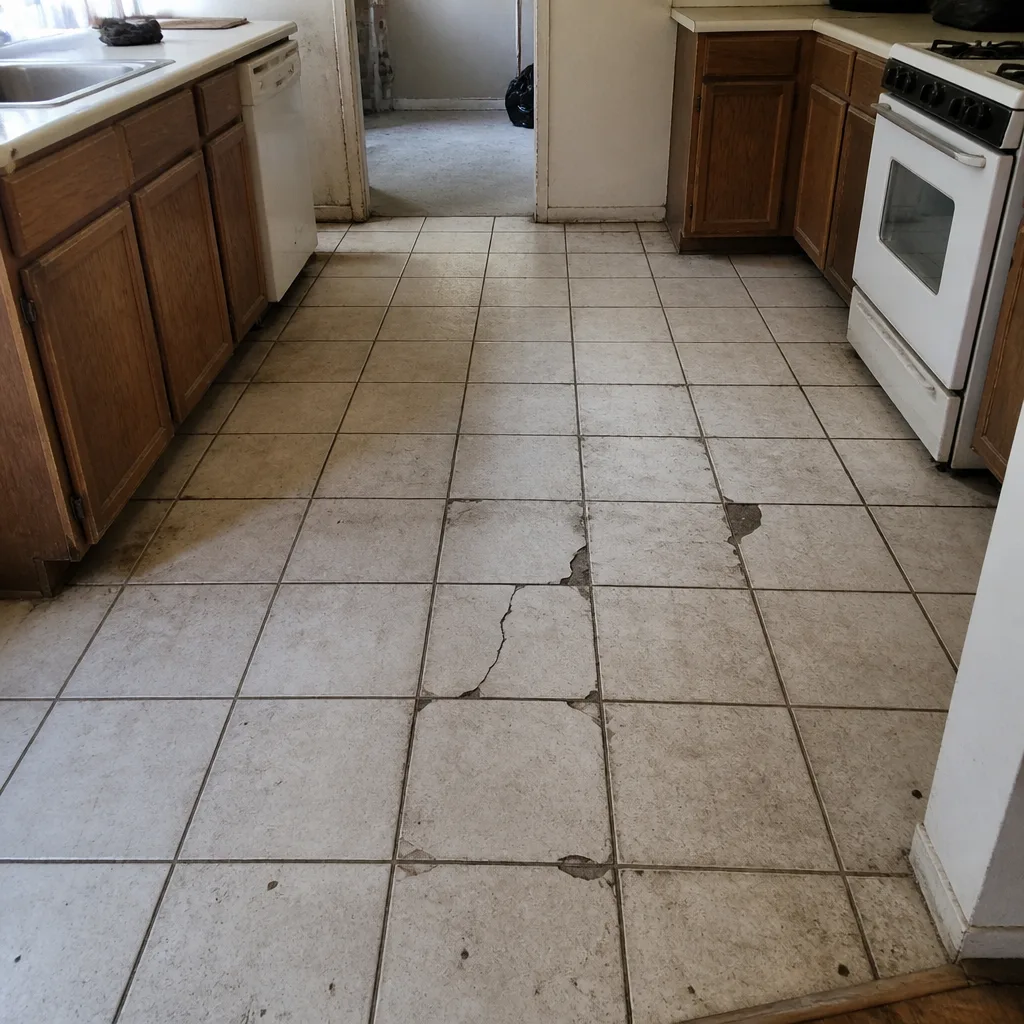 Before
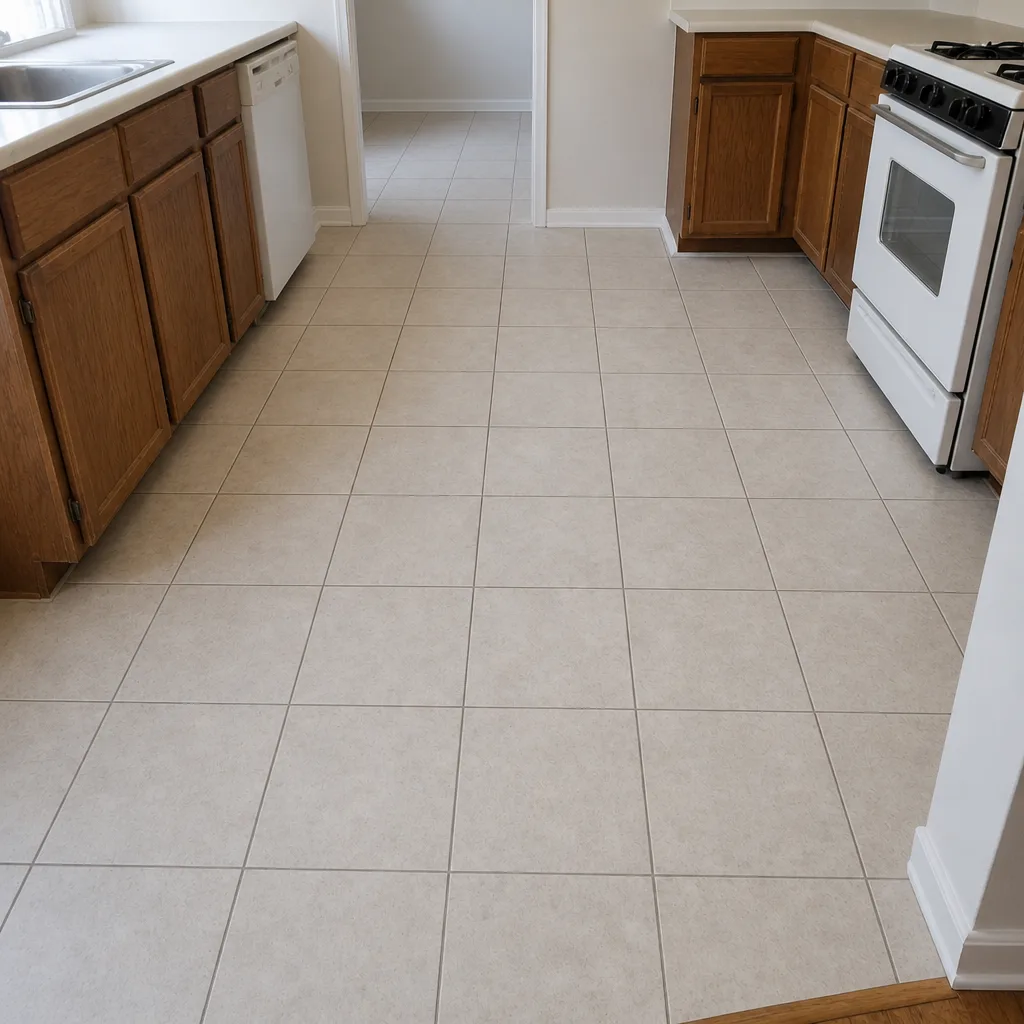 After
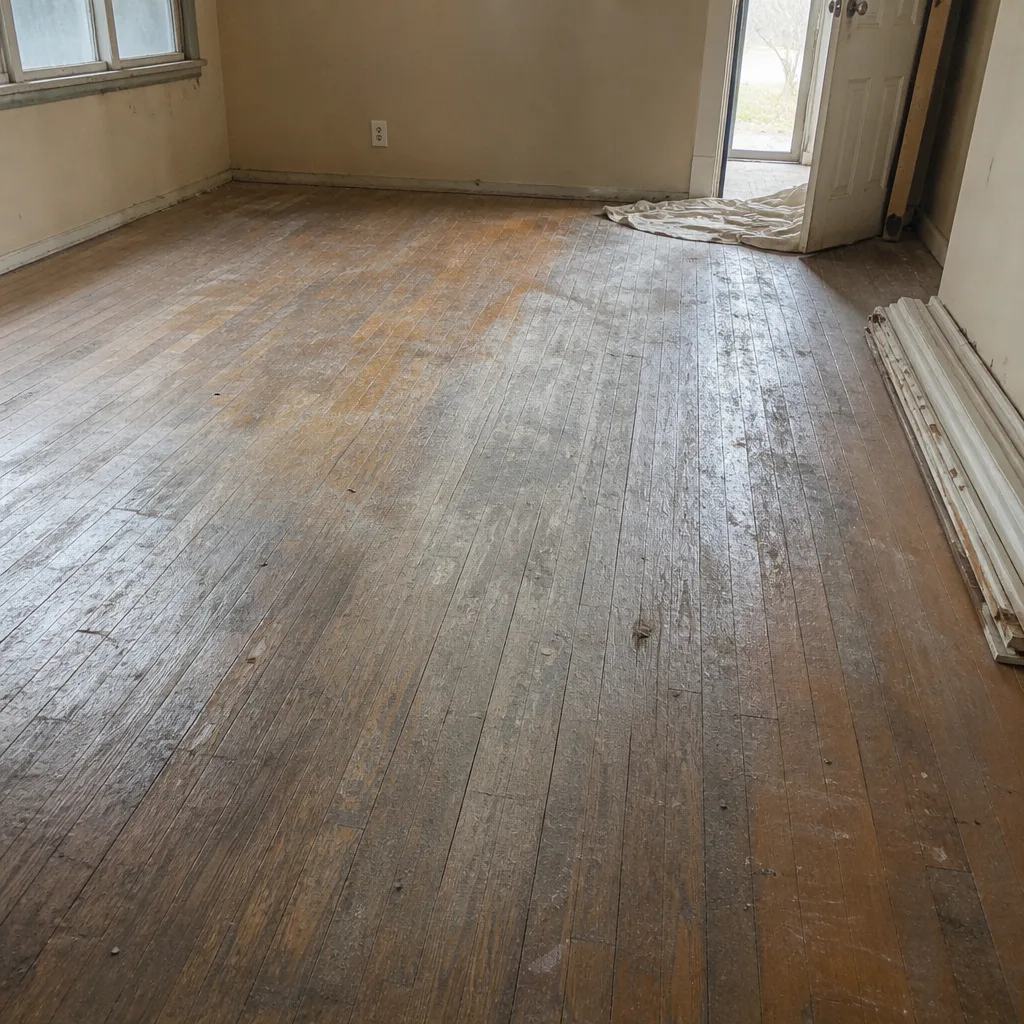 Before
 After
 Before
 After
When to Call a Professional
The estimate is the right first step whether you’re replacing one bedroom’s carpet or refinishing a hallway’s hardwood. Call when you’re comparing products and want a specialist’s read on what fits your home and how you live. Call when you suspect the subfloor needs attention, or when the existing floor has issues you can’t identify. Call when you’re renovating multiple rooms and want one contractor for carpet, tile, and refinishing rather than coordinating separate vendors. Flooring Sunrise Manor offers free estimates in Sunrise Manor. Our technicians have up to 14 years of experience, and we answer 24/7. Call (888) 403-9063 to schedule your free estimate.
Frequently Asked Questions
A free in-home flooring estimate in Sunrise Manor includes room measurements, an existing floor assessment, a subfloor inspection, a moisture check, a conversation about how you use the space, and a product discussion. It ends with a written quote. The written estimate sets the final price.
Most visits take 45 minutes to an hour for a single room and longer for multiple rooms. The walk-through and product conversation are the slow parts, and that’s by design. The schedule for the actual install is set at the estimate, once the scope is clear.
Yes. The estimate is free and the written quote is yours to keep. Call (888) 403-9063 to schedule yours. We answer 24/7, with fast dispatch from 7am to 7pm, Sunday through Friday.
Clear access to the rooms being quoted, any past flooring problems you’ve noticed, and a written list of questions. Square footage you measured yourself helps as a cross-check, and photos of the room from a few angles are useful.
Sometimes, yes. Whether it can be refinished depends on the thickness of the wood and its condition, both checked at the estimate. We’ll tell you honestly which option makes sense, whether that’s refinishing or replacement.
Yes. We handle carpet installation and tile in one visit, and we can scope both rooms in a single walk-through. If you’re in Sunrise Manor and comparing options, we can talk through how carpet and tile live together in a home. Call (888) 403-9063 for a free estimate.
The Bottom Line
A free in-home flooring estimate is a diagnostic visit, not a sales errand. Measure first, inspect the subfloor, check moisture, and see what’s already there. Only then should product options come up. When you’re ready to schedule, have the rooms accessible, bring your questions, and read the written quote for line items rather than a single number. Compare two quotes by matching components, and ask about refinishing before assuming replacement. Flooring Sunrise Manor serves Sunrise Manor with free estimates, and the written estimate sets the final price. Call (888) 403-9063 to schedule yours. We answer 24/7. Fast dispatch from 7am to 7pm, Sunday through Friday.
Written by the team at Flooring Sunrise Manor.